Physical therapy helps people recover from injuries and manage pain. But what tools do therapists actually use to make this happen? Let’s explore the essential equipment that powers modern rehabilitation.
Physical therapists use a variety of equipment including therapy guns, resistance bands1, electrotherapy devices2, and ultrasound machines to treat pain, improve mobility, and speed up recovery effectively and safely.
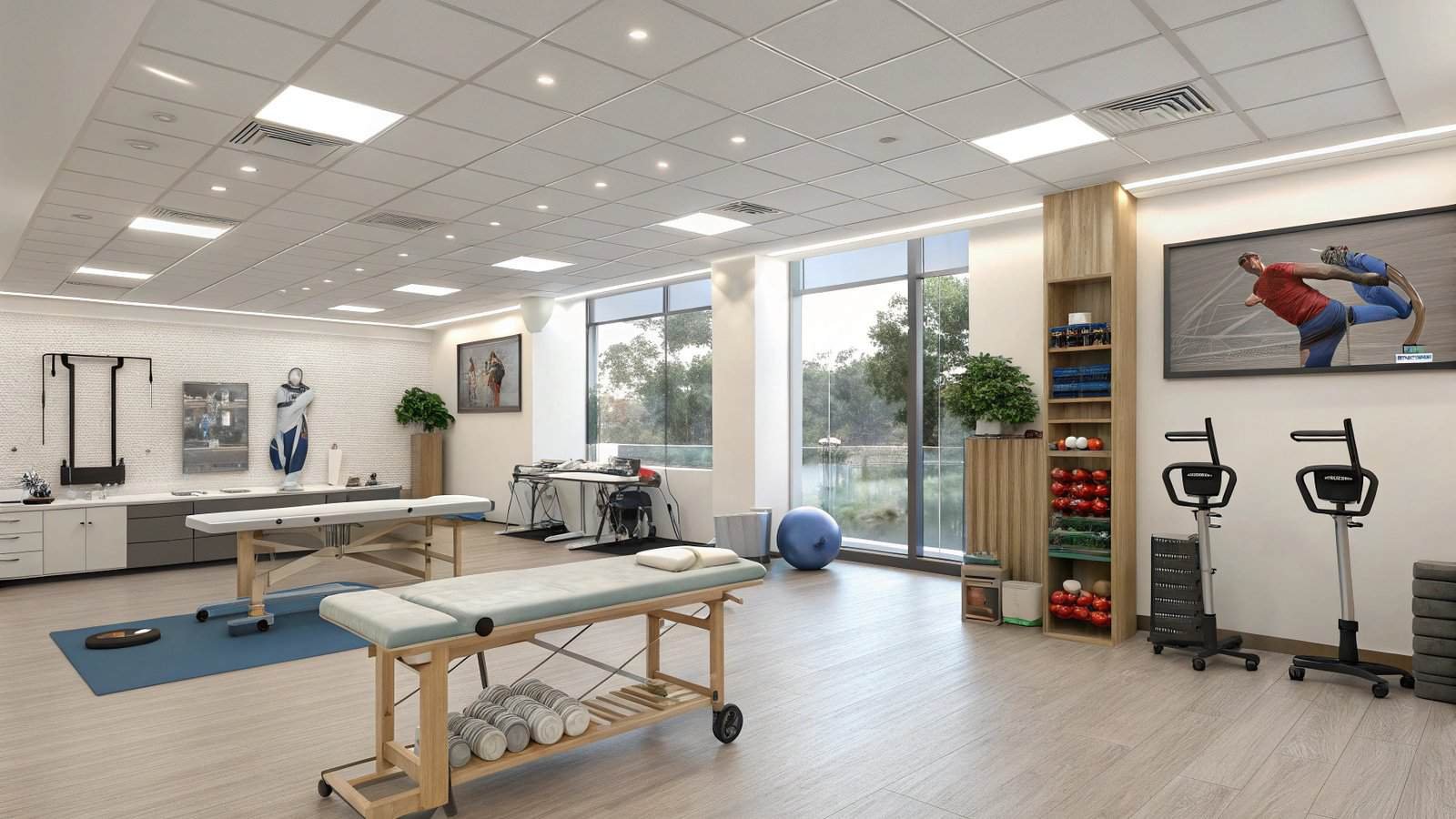
The right tools can make a huge difference in treatment outcomes. From manual tools to high-tech devices, each piece of equipment serves a specific purpose in the rehabilitation process. Understanding these tools helps patients know what to expect during therapy sessions.
What equipment would a physiotherapist use?
Physiotherapists rely on both basic and advanced tools. Some items are simple, while others use the latest technology to enhance treatment.
Common physiotherapy equipment includes therapy guns for muscle release, resistance bands for strength training, TENS units for pain relief3, and ultrasound machines for deep tissue healing4.
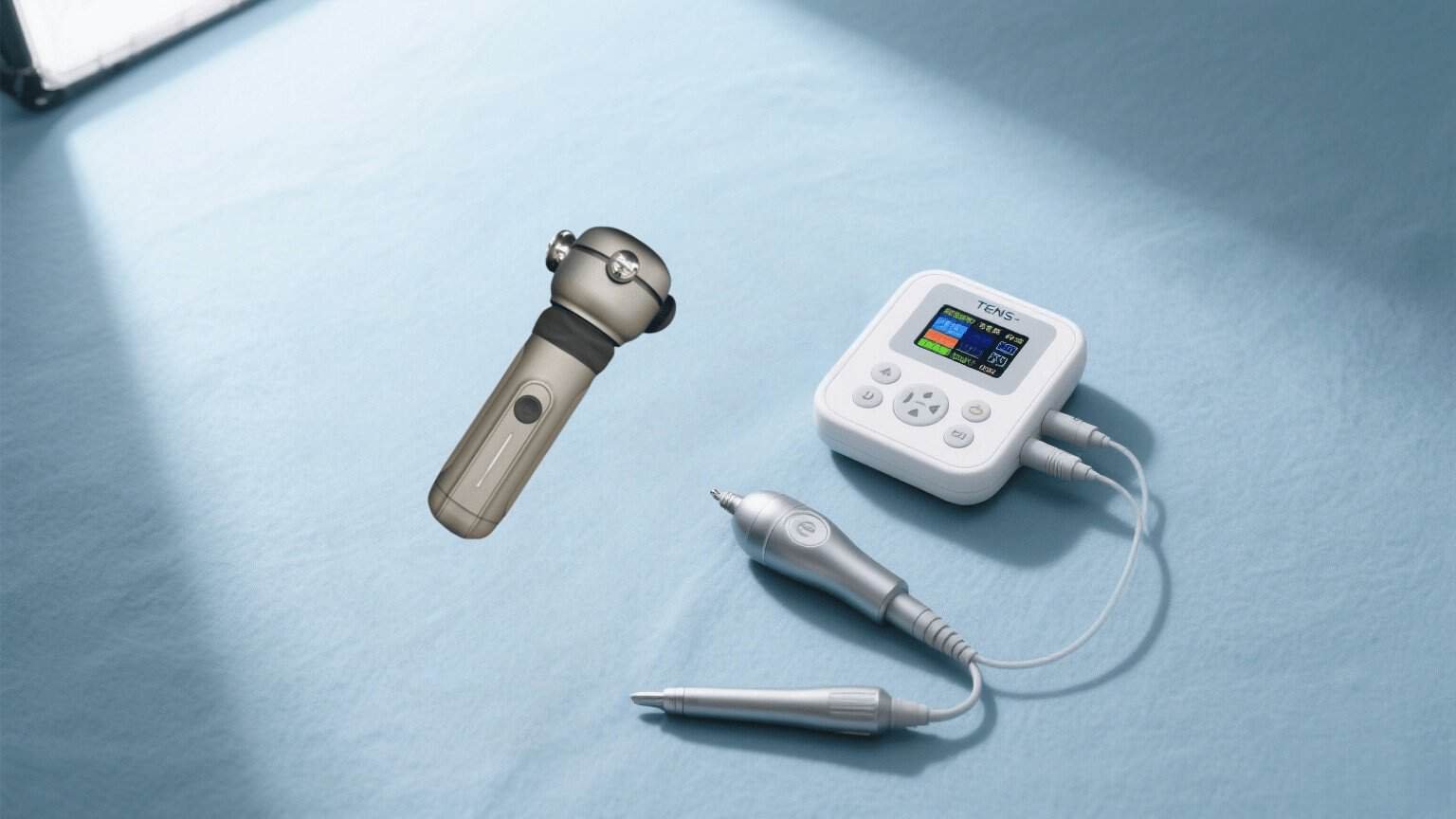
The choice of equipment depends on the patient’s condition and treatment goals. Here’s a closer look at some key tools:
Manual Therapy Tools5
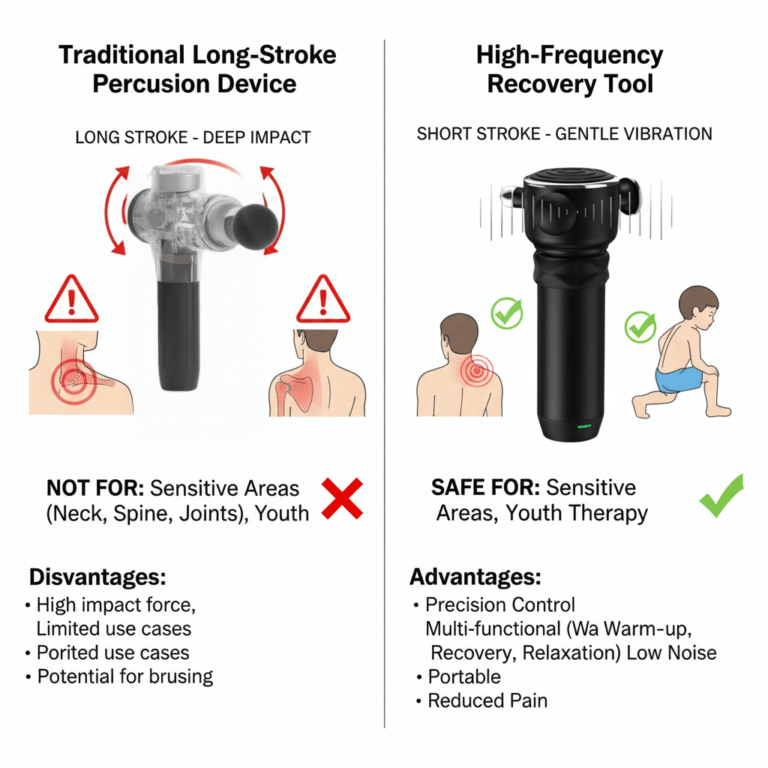
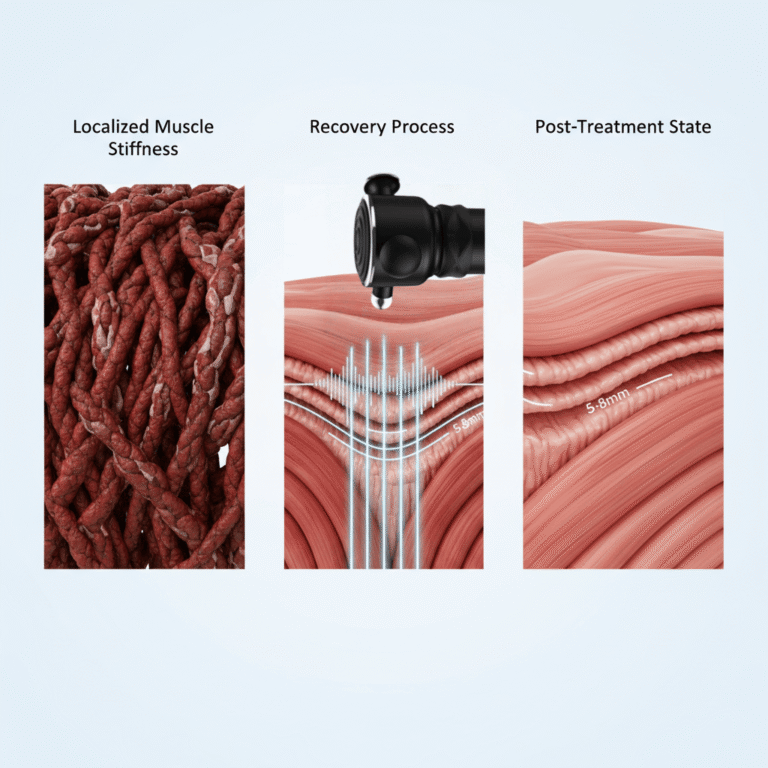
- Therapy guns: Use rapid release technology to relax tight muscles quickly.
- Foam rollers: Help with myofascial release and improve flexibility.
- Massage balls: Target specific trigger points for pain relief.
Electrotherapy Devices
- TENS units6: Send electrical pulses to block pain signals.
- EMS devices: Stimulate muscles to improve strength and recovery.
- Ultrasound machines: Use sound waves to reduce inflammation and promote healing.
Exercise Equipment
- Resistance bands: Provide adjustable resistance for strength training.
- Balance boards: Improve stability and coordination.
- Therapy balls: Enhance core strength and posture.
Each tool plays a unique role in rehabilitation. Therapists often combine them for the best results.
What is the most common need for physical therapy?
People seek physical therapy for many reasons. The most common issues involve pain, mobility problems, and recovery after surgery.
The most common needs for physical therapy include back pain, joint injuries, post-surgical rehabilitation7, and chronic conditions like arthritis, all requiring tailored treatment plans.

Understanding these needs helps therapists choose the right equipment. Let’s break it down:
Pain Management
- Back pain8: Often treated with manual therapy and core-strengthening exercises.
- Neck pain: May require posture correction and stretching tools.
- Joint pain: Can be addressed with heat therapy and mobility exercises.
Injury Recovery
- Sprains and strains: Need gradual strengthening and stability work.
- Fractures: Require careful mobilization and muscle rebuilding.
- Post-surgery rehab: Focuses on restoring movement and function.
Chronic Conditions9
- Arthritis: Benefits from low-impact exercises and pain relief devices.
- Tendinitis: Needs rest, ice, and gradual reintroduction of movement.
- Neurological issues: Often require specialized balance and coordination tools.
Therapists assess each patient’s needs to create a personalized treatment plan using the right mix of equipment.
What technology does a physical therapist use?
Modern physical therapy uses advanced technology to improve outcomes. These tools make treatments more precise and effective.
Physical therapists use technology like therapy guns with rapid release techniques, laser therapy devices, wearable sensors, and virtual reality systems to enhance treatment accuracy and patient engagement.
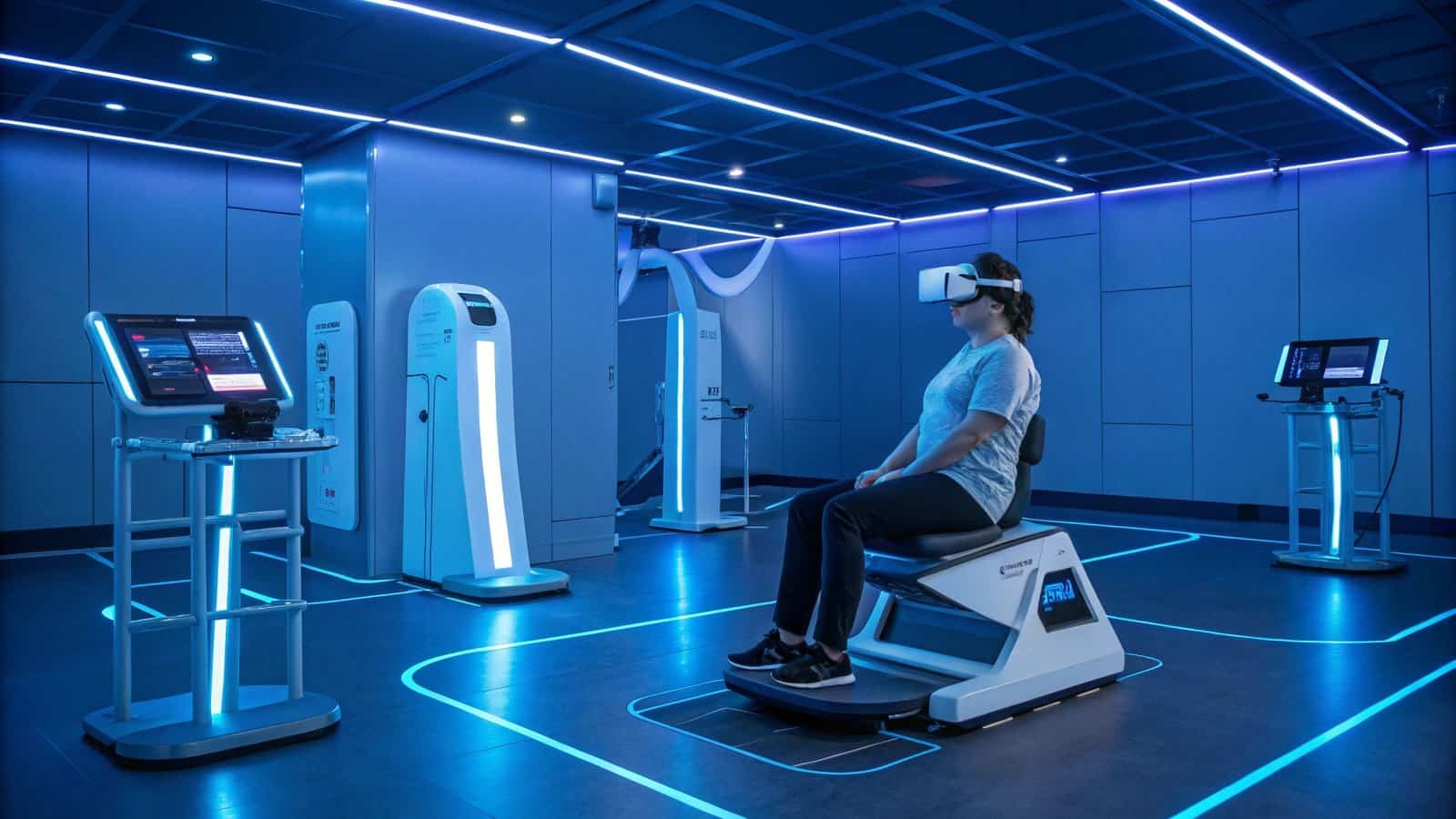
High-tech tools are changing how therapists work. Here’s how:
Rapid Release Therapy Guns10
- How they work: Deliver quick vibrations to relax muscles deeply.
- Benefits: Reduce therapist fatigue and provide consistent results.
- Best for: Athletes and patients with chronic muscle tension.
Laser and Light Therapy11
- How it works: Uses specific light wavelengths to reduce pain and inflammation.
- Benefits: Non-invasive with no downtime.
- Best for: Wound healing and joint pain.
Wearable Sensors12
- How they work: Track movement and muscle activity in real-time.
- Benefits: Provide data to adjust treatments instantly.
- Best for: Posture correction and gait analysis.
Virtual Reality
- How it works: Creates immersive environments for rehabilitation exercises.
- Benefits: Makes therapy more engaging and measurable.
- Best for: Stroke recovery and balance training.
These technologies allow therapists to deliver more personalized and effective care than ever before.
Conclusion
Physical therapists use a wide range of equipment from simple bands to advanced tech like therapy guns and VR systems to treat pain, injuries, and mobility issues effectively.
-
Learn about the versatility of resistance bands in rehabilitation and strength training. ↩
-
Explore the advantages of electrotherapy devices for pain relief and muscle recovery in therapy. ↩
-
Learn about TENS units and their effectiveness in managing pain, which can be crucial for your recovery journey. ↩
-
Discover how ultrasound machines aid in deep tissue healing, providing insights into advanced physiotherapy techniques. ↩
-
Discover the advantages of using Manual Therapy Tools like therapy guns and foam rollers for effective muscle relaxation and recovery. ↩
-
Explore how TENS units can effectively block pain signals and aid in recovery, enhancing your understanding of pain management techniques. ↩
-
Learn about the significance of post-surgical rehabilitation in recovery, ensuring a safe and effective return to normal activities. ↩
-
Explore effective treatments for back pain to enhance your understanding and find the best solutions for relief. ↩
-
Understanding the impact of chronic conditions on therapy can help tailor effective treatment plans for better patient outcomes. ↩
-
Explore how these innovative tools can enhance therapy effectiveness and reduce fatigue for therapists. ↩
-
Discover the science behind this non-invasive treatment and its benefits for pain management. ↩
-
Learn how real-time data from these sensors can transform treatment approaches and improve outcomes. ↩