
In professional clinics, an effective physical therapy workflow1 for sports injury recovery2 is typically defined by how well daily operations support consistency, throughput, and repeatable session delivery rather than by individual techniques. It is increasingly shaped by systems that reduce variability across staff, time slots, and patient volumes.
One operational challenge clinics rarely articulate is that session-level consistency3 often fluctuates not because of staff capability, but because workflows rely too heavily on individual judgment and manual preparation. As clinics scale, this issue becomes more visible—especially when multiple practitioners, peak-hour congestion, and shared equipment intersect.

This is why workflow optimization4 cannot be solved by technique refinement alone. It increasingly requires system-level thinking that aligns space, equipment, and preparation stages5 into a repeatable operational model.
Why Do Sports Injury Recovery Workflows Break Down at Scale?
From an operational perspective, workflow breakdowns in sports recovery clinics often emerge when preparation and recovery-related stages are loosely defined or inconsistently applied.
In real-world clinic settings, variability appears most clearly during transition moments—between assessment, active movement, and post-session recovery preparation. When these transitions depend on therapist availability or subjective timing, throughput slows and scheduling reliability declines. Over time, clinics experience bottlenecks that affect staff workload balance6 and overall operational stability7.

| Operational Factor | Without Structured Support | With Scalable Systems |
|---|---|---|
| Session preparation | Therapist-dependent timing | Standardized preparation flow |
| Staff workload | Uneven and reactive | Predictable and balanced |
| Patient throughput | Highly variable | Consistent during peak hours |
| Session consistency | Fluctuates by practitioner | Stabilized by workflow design |
How Do Clinics Improve Consistency in Sports Recovery Workflows?
How clinics improve consistency is typically driven by how effectively preparation is separated from individual decision-making.
More operationally mature clinics focus on repeatability rather than customization at every step. By embedding preparation stages5 into the workflow—rather than assigning them as ad hoc tasks—clinics reduce staff dependency and protect session-level consistency3. People-dependent solutions increasingly break down as volume grows, because they do not scale with staffing changes or schedule density.

| Focus Area | Ad Hoc Approach | Structured Operational Approach |
|---|---|---|
| Preparation timing | Adjusted case by case | Integrated into session flow |
| Staff reliance | High individual discretion | System-supported execution |
| Workflow predictability | Low | High |
| Scalability | Limited | Designed for growth |
How Do High-Frequency 3D Vibration Devices Support Workflow Design in Clinics?
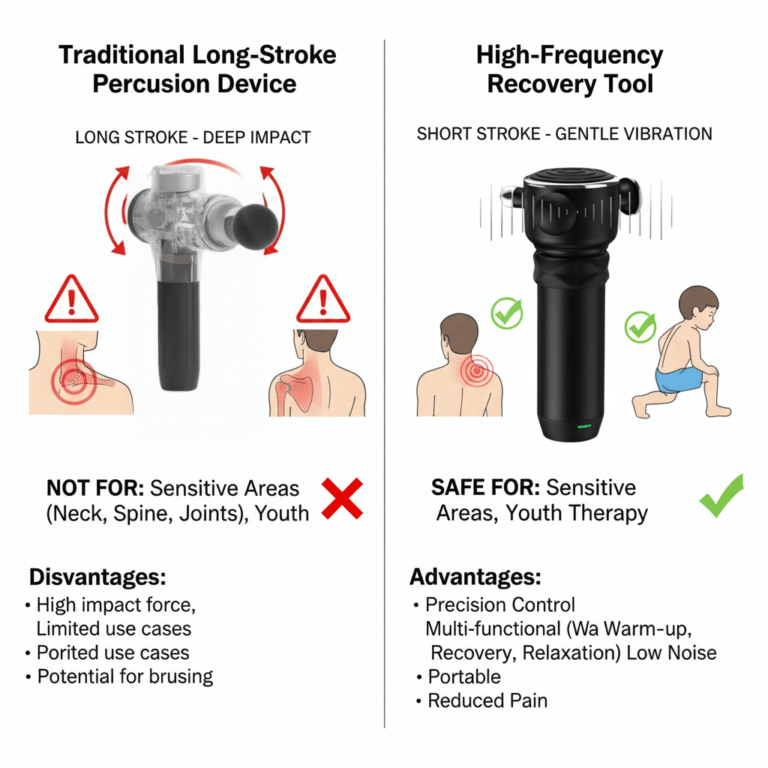
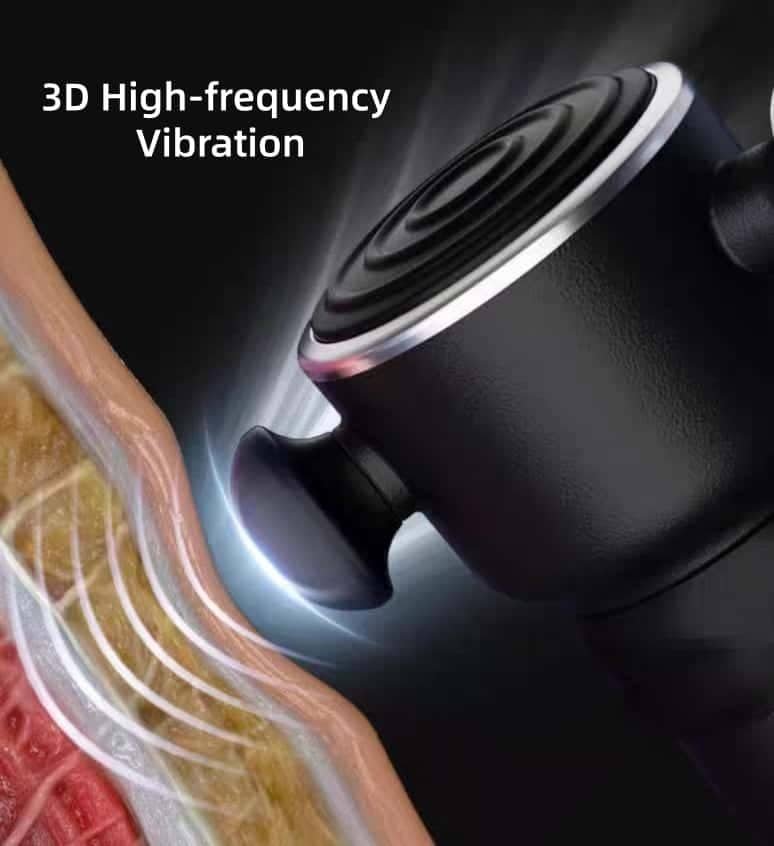
For physiotherapy clinics, selecting high-frequency 3D vibration devices8 is primarily an operational decision rather than a purely technical one.
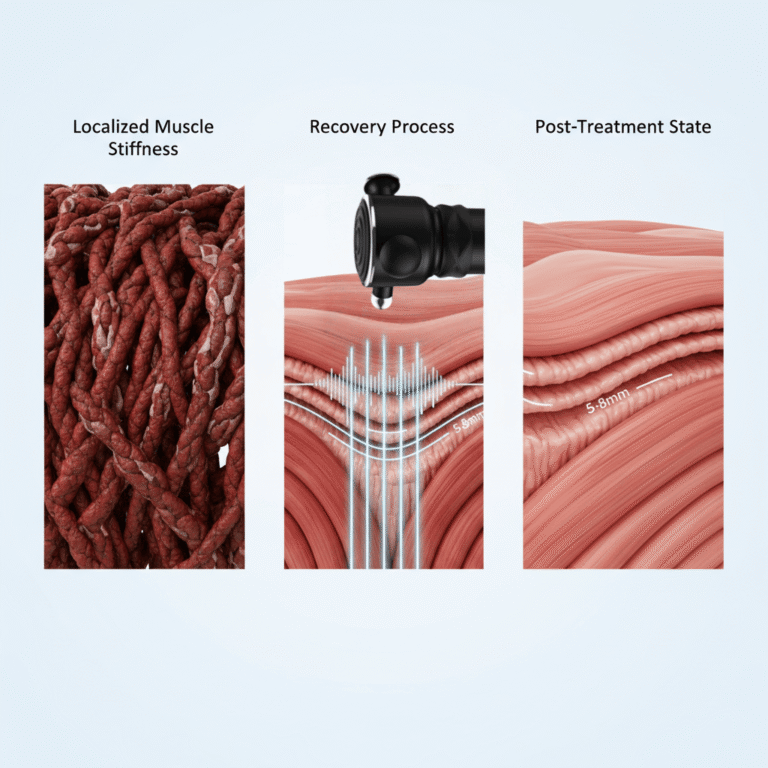
In practice, these devices increasingly function as workflow stabilizers. Multi-directional vibration allows clinics to standardize preparation stages5 without requiring constant hands-on input from senior staff. This helps reduce variability introduced by differing manual techniques and supports more consistent session delivery across practitioners. In this context, equipment becomes part of the clinic’s operational infrastructure rather than a standalone solution.
| Consideration | Why It Matters in High-Volume Clinics |
|---|---|
| Multi-directional output | Reduces preparation variability |
| Hands-free operation | Frees staff for parallel tasks |
| Repeatable setup | Supports consistent session flow |
| Compact integration | Fits existing clinic layouts |
Conclusion
Across professional sports recovery environments, workflow efficiency increasingly determines session-level consistency3. Clinics that address variability at the system level—rather than relying solely on staff experience—are better positioned to scale operations without losing control over daily execution.
For many clinics, the question is no longer whether recovery tools add value, but whether existing equipment actively supports workflow stability as patient volume increases. Reassessing preparation systems and the tools that enable them is becoming a practical step toward long-term operational scalability.
This article reflects operational insights commonly observed by practitioners working in physiotherapy clinics and sports recovery facilities with high training volumes.
-
Understanding effective workflows can enhance recovery processes and improve patient outcomes in clinics. ↩
-
Exploring best practices can help clinics optimize their recovery strategies and improve patient care. ↩
-
Discovering the importance of consistency can help clinics maintain high standards of care. ↩ ↩ ↩
-
Learning about workflow optimization can lead to more efficient operations and better patient experiences. ↩
-
Understanding effective preparation stages can streamline operations and enhance recovery outcomes. ↩ ↩ ↩
-
Balancing staff workload is essential for maintaining morale and ensuring quality patient care. ↩
-
Understanding operational stability can help clinics manage resources effectively and improve service delivery. ↩
-
Exploring the benefits of these devices can enhance treatment options and improve patient recovery. ↩