Therapeutic Activities in Physical Therapy and How Clinics Improve Outcomes
Therapeutic activities in physical therapy are typically designed to support movement quality and functional capacity, but in real-world clinic settings, outcomes are increasingly shaped by how consistently these activities are delivered rather than by activity selection alone.
From an operational perspective1, clinics improve outcomes not by adding more techniques, but by reducing variability across sessions, practitioners, and preparation quality2—especially as referral volumes and patient throughput continue to rise.

As clinics scale, many discover that therapeutic activities3 succeed or fail based on system-level support, not individual expertise.
What Are Therapeutic Activities in Physical Therapy from an Operational Perspective?
From an operational perspective1, therapeutic activities3 in physical therapy are structured movement tasks that must be repeatable, scalable, and consistently prepared for across different practitioners and sessions.
In real-world clinic settings, therapeutic activities3 extend beyond exercise execution. They include how movement readiness4 is established, how tissues are prepared before activity, and how session flow5 is maintained without excessive manual input.

Clinics that struggle with outcomes often face the same underlying issue: activities vary too much depending on who delivers them and how prepared the patient is at the start of each session.
| Operational Factor | Without Structured Support | With Scalable Systems |
|---|---|---|
| Activity Consistency | Practitioner-dependent | Standardized |
| Session Flow | Frequently disrupted | Predictable |
| Movement Readiness | Variable | More uniform |
| Staff Load | High manual demand | Reduced |
This variability becomes more visible as clinics grow, even when staff are highly skilled.
How Do Clinics Improve Outcomes Through Therapeutic Activities?
How clinics improve outcomes through therapeutic activities3 is typically driven by their ability to standardize preparation and reduce operator-dependent variability6 rather than by introducing new exercises.
Experienced clinics focus on building repeatable frameworks that support movement readiness4 before therapeutic activities3 begin. This allows activities to be performed under more consistent conditions, improving progression tracking and session efficiency.
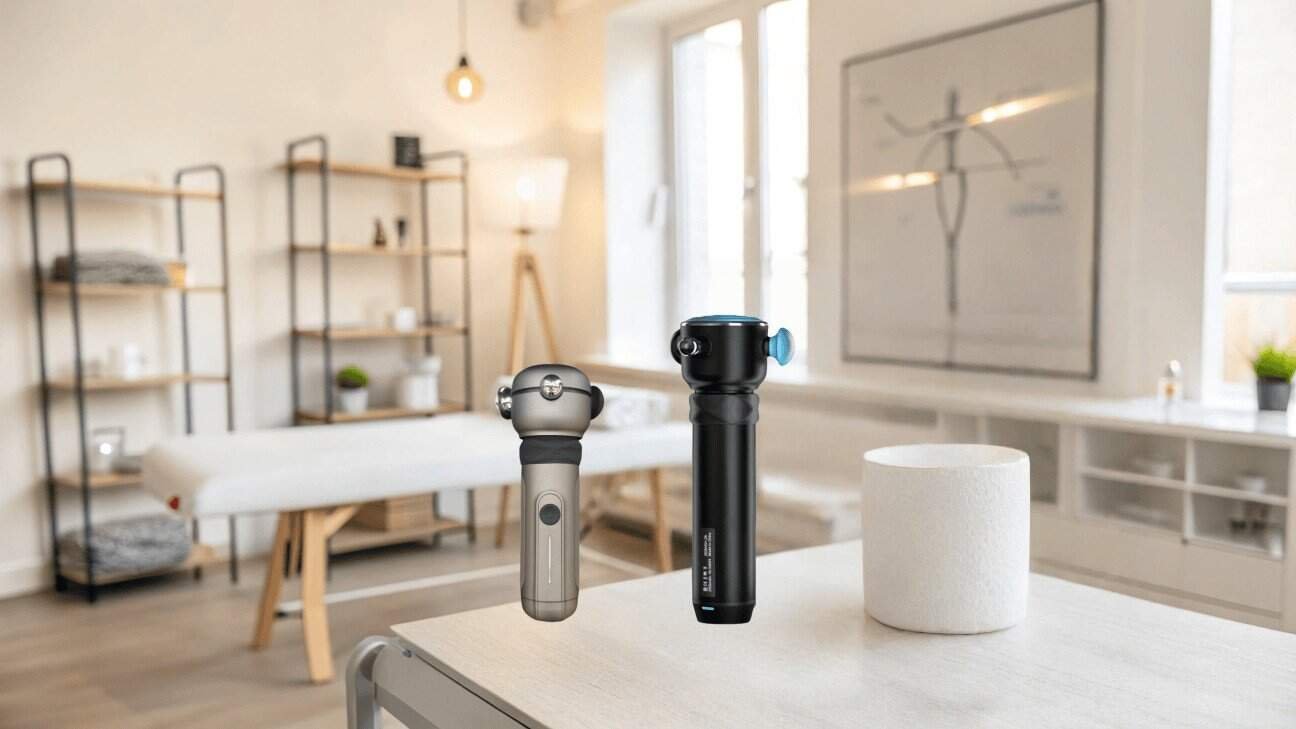
In high-volume environments, outcomes often fluctuate because preparation quality2 changes from session to session. Clinics that address this challenge treat preparation as part of the system, not an individual task.
| Focus Area | Ad Hoc Approach | Structured Operational Approach |
|---|---|---|
| Movement Preparation | Manual, inconsistent | System-supported |
| Session Efficiency | Time-variable | Time-stable |
| Outcome Tracking | Subjective | More comparable |
| Scalability | Limited | Sustainable |
This shift allows therapeutic activities3 to function as intended—within a predictable and repeatable workflow.
How High-Frequency 3D Vibration Devices Support Therapeutic Activity Outcomes
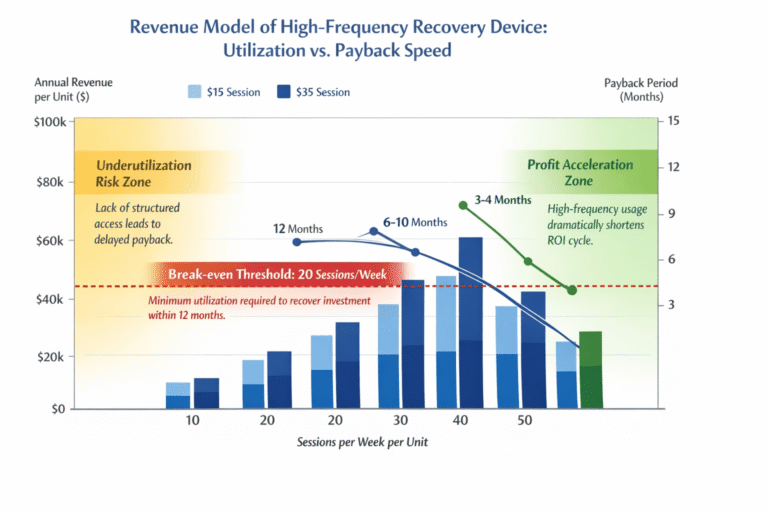
For physiotherapy clinics, selecting high-frequency 3D vibration devices7 is primarily an operational decision rather than a purely technical one.
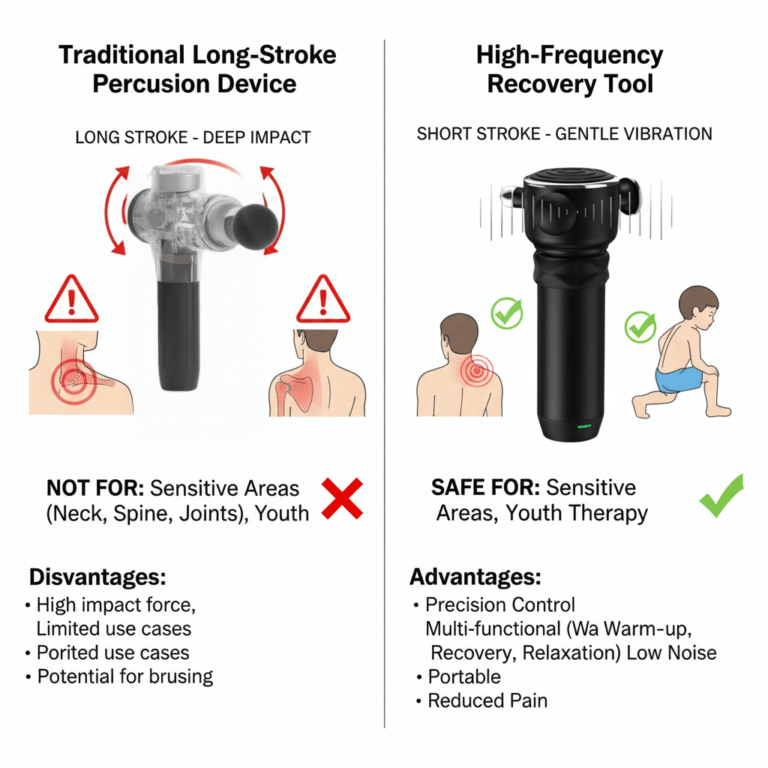
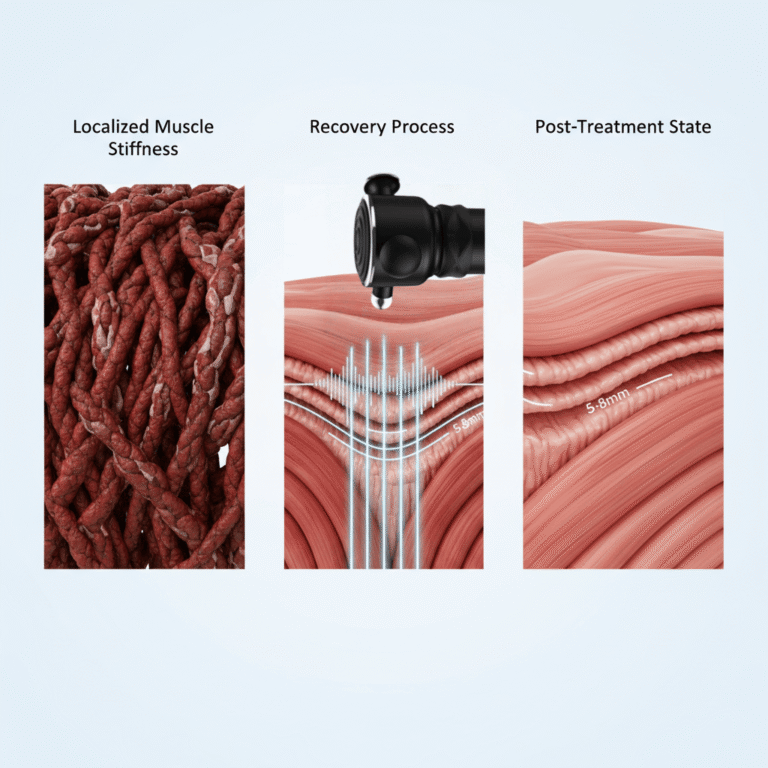
In practice, these devices are used to support therapeutic activities3 by creating more consistent conditions for movement readiness4. High-frequency 3D vibration recovery devices deliver controlled, multi-directional mechanical stimulation that reduces reliance on individual manual preparation techniques.
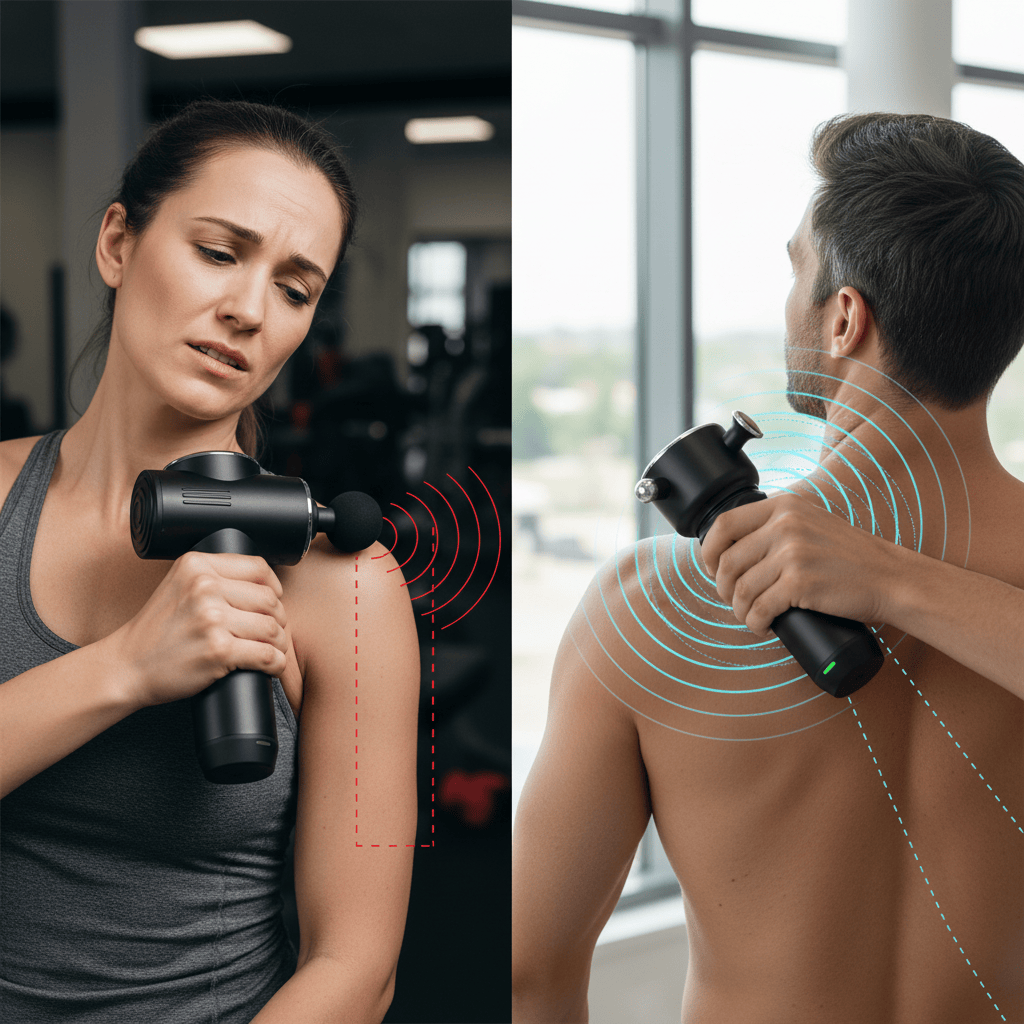
Clinics often evaluate these devices based on how well they support scalable delivery of therapeutic activities3:
| Consideration | Why It Matters in High-Volume Clinics |
|---|---|
| Output Consistency | Supports repeatable preparation across sessions |
| Multi-Directional Stimulation | Engages muscle and fascial layers uniformly |
| Workflow Integration | Fits within limited session time |
| Ergonomic Design | Reduces practitioner fatigue |
| Shared Use Readiness | Suitable for multi-practitioner environments |
By lowering operator-dependent variability6 in preparation, high-frequency 3D vibration devices7 help clinics maintain more predictable therapeutic activity outcomes as volume increases.
Conclusion
Therapeutic activities play a central role in physical therapy outcomes, but their effectiveness is increasingly determined by operational consistency rather than individual technique alone.
As clinics manage higher throughput and earlier referrals, those that improve outcomes are typically the ones that invest in scalable systems8—standardized preparation, repeatable workflows, and recovery tools that support consistency without adding staff burden.
This article reflects operational insights commonly observed by practitioners working in physiotherapy clinics and sports recovery facilities with high training volumes.
-
Learn how an operational perspective can transform therapy practices and improve patient care in clinics. ↩ ↩
-
Discover the critical role of preparation quality in achieving successful therapy results and patient satisfaction. ↩ ↩
-
Explore this link to understand the core principles and benefits of therapeutic activities in enhancing patient outcomes. ↩ ↩ ↩ ↩ ↩ ↩ ↩ ↩
-
Find out how movement readiness impacts therapy sessions and patient outcomes in physical rehabilitation. ↩ ↩ ↩
-
Explore strategies to enhance session flow, leading to more efficient and effective therapy sessions. ↩
-
Explore the concept of operator-dependent variability and its impact on therapy effectiveness and consistency. ↩ ↩
-
Learn about the advantages of using high-frequency 3D vibration devices for improving therapeutic outcomes. ↩ ↩
-
Understand how scalable systems can enhance operational efficiency and patient care in therapy clinics. ↩