Dealing with sports injuries can be painful and frustrating, especially when recovery takes longer than expected. Rehabilitation offers a solution to get back to normal faster.
Rehabilitation1 is the process of restoring function after injury through targeted therapies. It’s crucial because proper recovery prevents long-term damage and helps maintain mobility and quality of life.
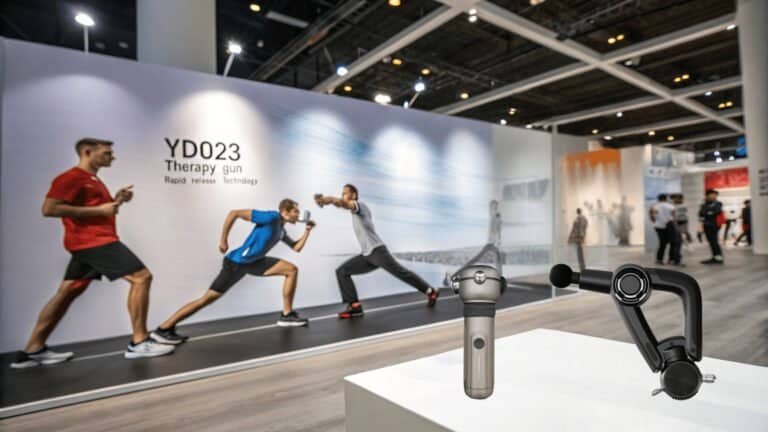
Many athletes and active individuals struggle with finding effective recovery solutions. I’ve discovered that combining professional therapy with innovative tools like our YD023 therapy gun creates the perfect recovery system. Let’s explore how modern rehabilitation works and why it matters for athletes and active people.
What are some good research topics in sports psychology2?
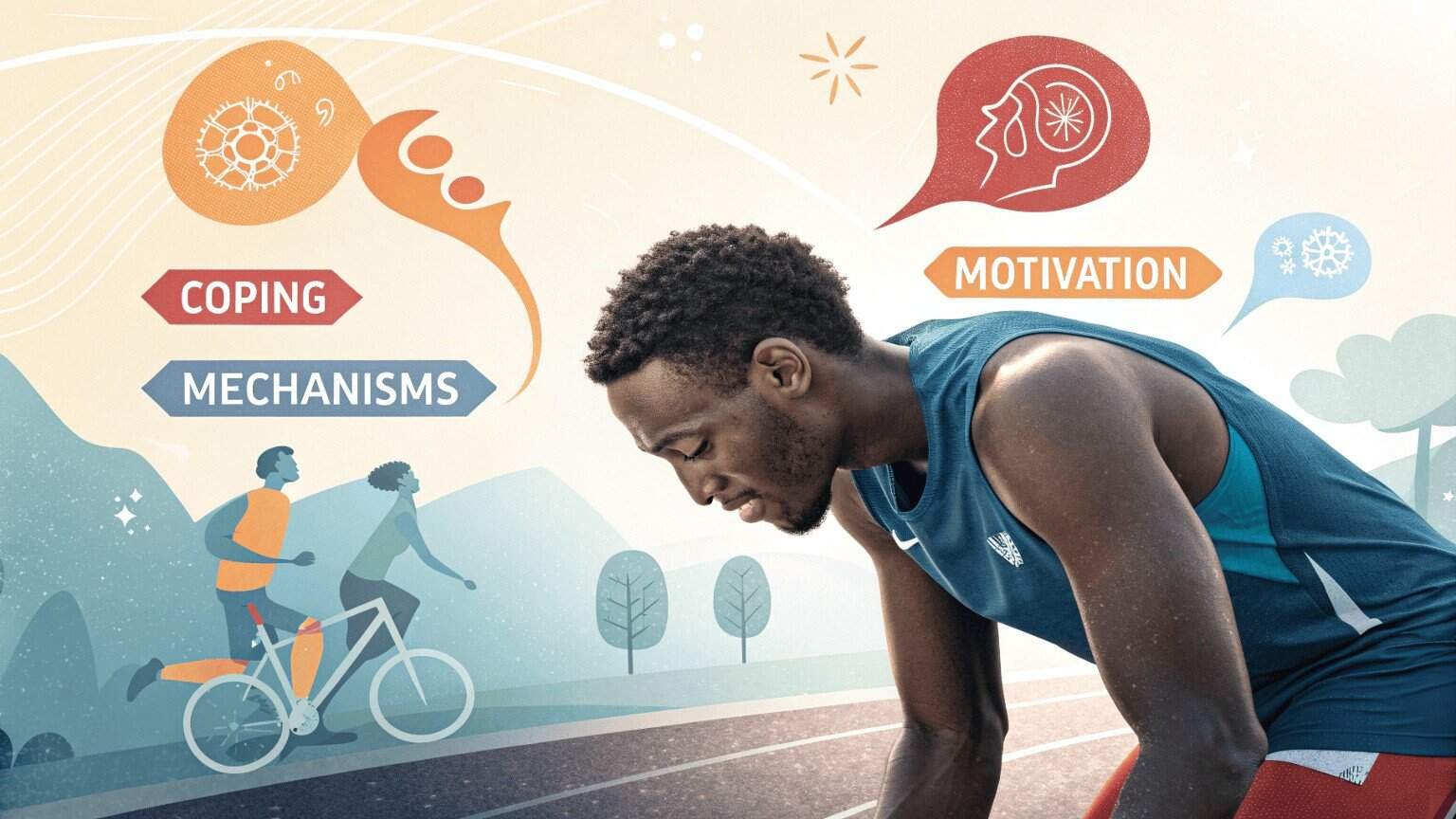
The mental aspect of recovery is often overlooked, yet it plays a crucial role in how athletes bounce back from injuries.
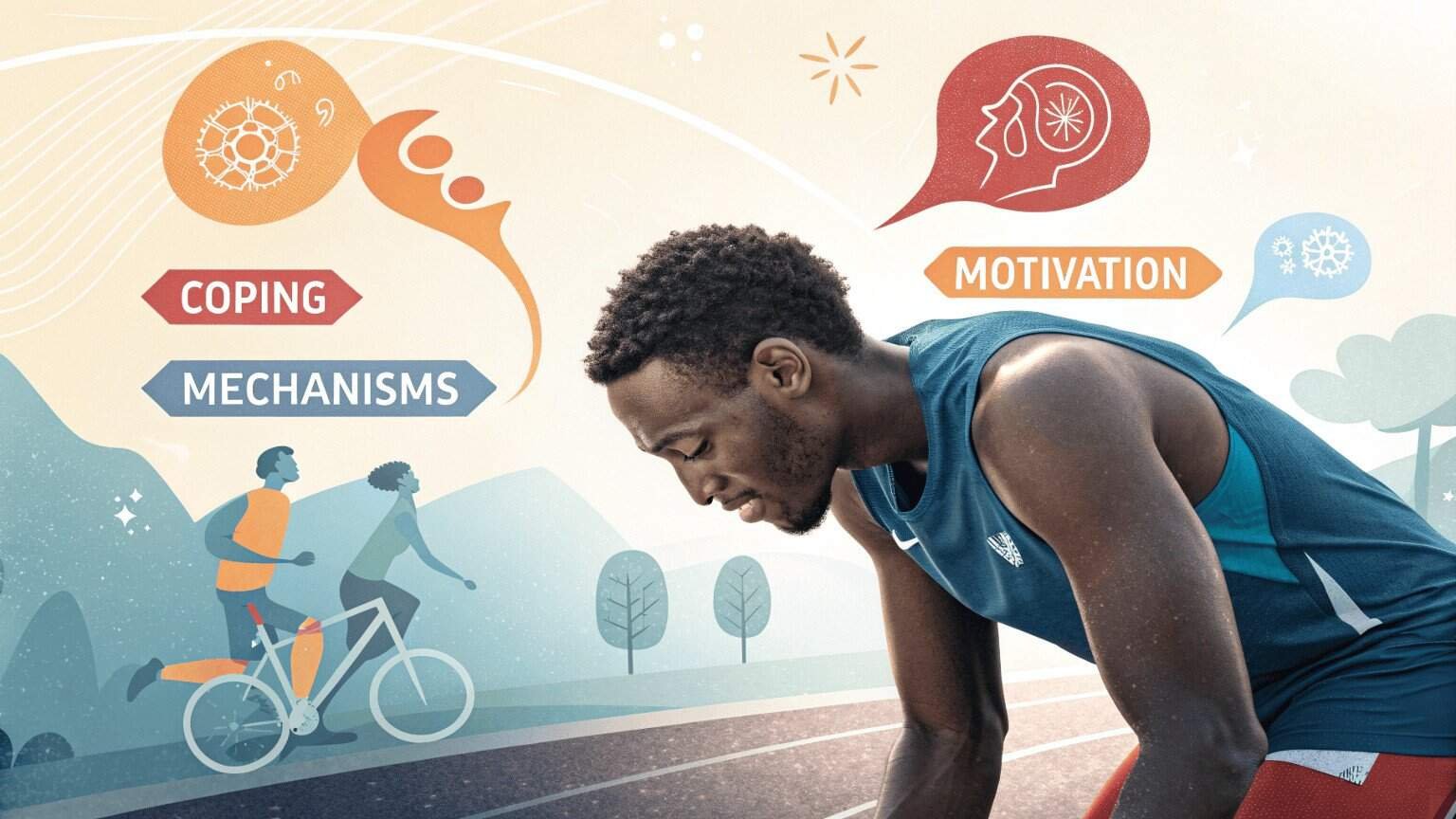
Key research areas include: injury coping mechanisms, motivation during rehabilitation, performance anxiety post-injury, and the psychology of pain management in sports recovery.
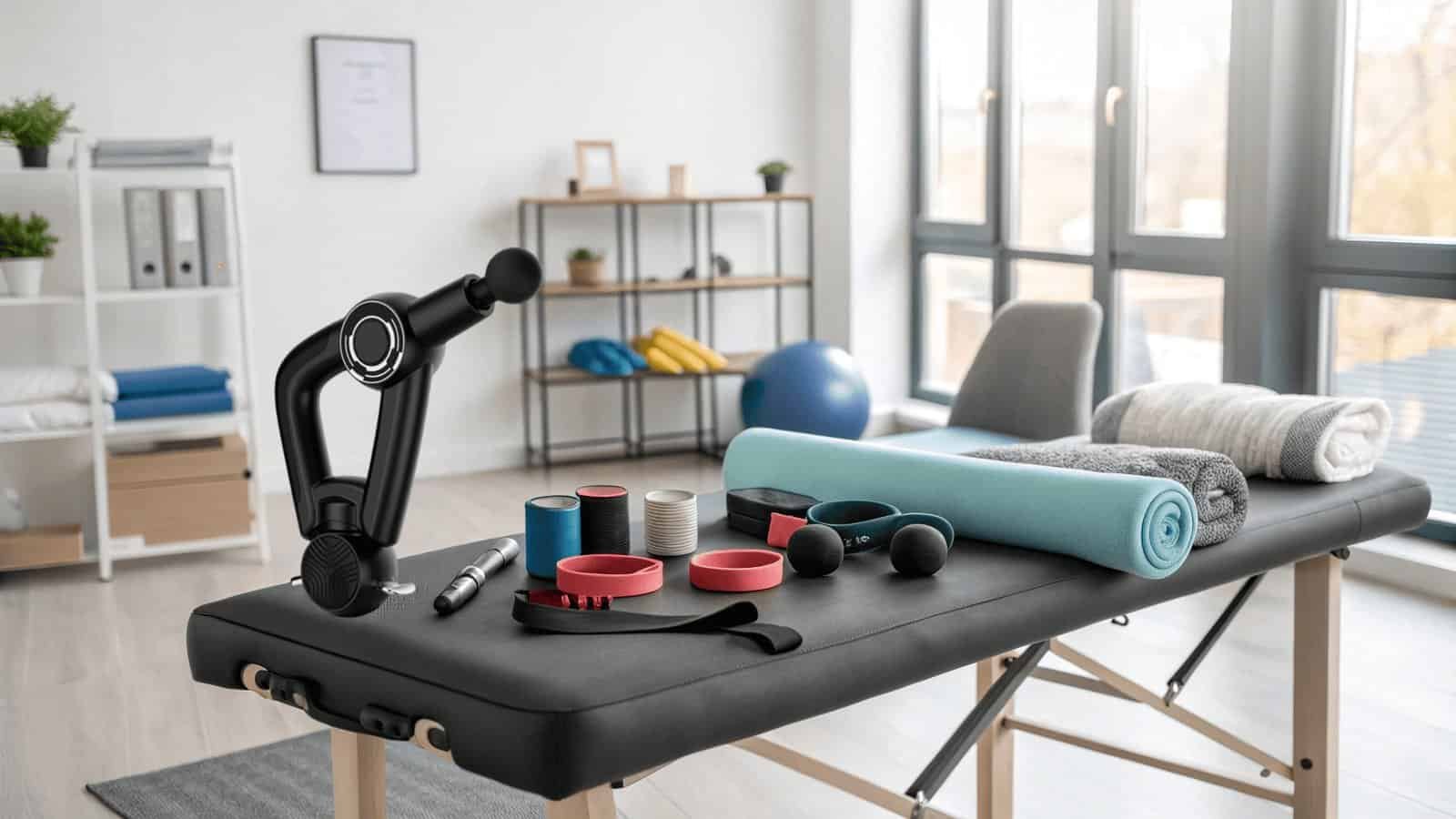
Understanding the psychological components of sports rehabilitation reveals several important aspects:
-
Injury Response Patterns:
- How different athletes process injury news
- Emotional stages of injury acceptance
- Impact on future performance confidence
-
Rehabilitation Adherence3: Factor Impact Solution Pain levels May discourage therapy Gradual exposure Time commitment Difficult to maintain Shorter, frequent sessions Visible progress Motivates continuation Track milestones -
- Fear of re-injury
- Performance expectations
- Team reintegration challenges
These areas show why mental preparation is as important as physical recovery in sports rehabilitation.
Why do patients go to physical therapy?
The pain from muscle strains or joint injuries can be unbearable, making daily activities difficult and frustrating. (30 words)
Patients seek physical therapy to relieve pain, restore mobility, and prevent future injuries through professional treatment plans and guided exercises. (50 words)
Physical therapy addresses various needs through different approaches:
-
Pain Management:
- Manual therapy techniques
- Targeted exercises
- Modalities like heat/ice
-
Functional Restoration:
- Regaining strength
- Improving flexibility
- Relearning movements
-
Preventive Care:
- Correcting movement patterns
- Strengthening weak areas
- Education on proper techniques
Our YD023 therapy gun complements traditional therapy by providing immediate relief between sessions. Its unique 3D vibration technology reaches deep tissue layers (6-8mm) to address both muscle groups and fascial layers, something regular massage guns can’t achieve.
What is the most challenging aspect of physical therapy?
Sticking to a rehabilitation program can feel overwhelming, especially when progress seems slow and the routine becomes tedious.
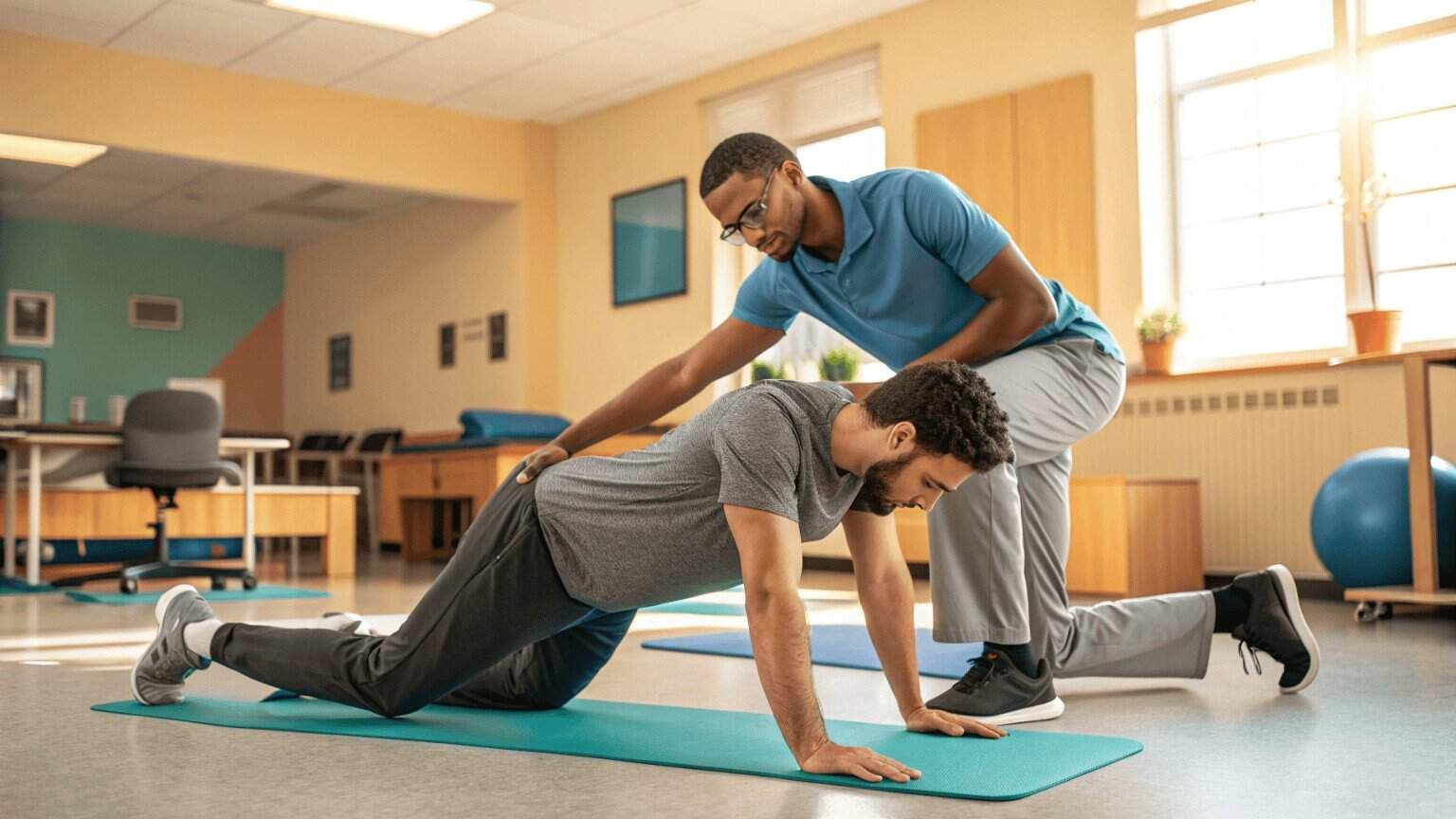
The biggest challenge is maintaining consistency – patients often struggle with time commitment, exercise discomfort, and not seeing immediate results from their efforts.
Several factors make physical therapy demanding:
-
Time Investment:
- Multiple weekly sessions
- Long-term commitment
- Home exercise requirements
-
Physical Demands:
- Working through pain
- Pushing limits safely
- Fatigue from exercises
-
Psychological Barriers:
- Frustration with slow progress
- Fear of re-injury
- Motivation fluctuations
This is where portable devices like our therapy gun help. At just 0.54kg and 90×90×187mm, it allows for convenient between-session care. The rapid release technology (4000-6500 RPM) with 2mm amplitude provides targeted relief exactly when needed, making the rehabilitation process more manageable.
Conclusion
Rehabilitation combines professional care with innovative tools to effectively recover from injuries and maintain long-term mobility. (20 words)
-
Exploring this link will provide insights into how rehabilitation can enhance recovery and prevent future injuries. ↩
-
Explore the vital role of sports psychology in recovery, helping athletes understand their mental barriers and improve their performance. ↩
-
Explore effective strategies to enhance rehabilitation adherence, ensuring athletes stay committed to their recovery and achieve optimal results. ↩
-
Discover techniques to help athletes cope with return-to-play anxiety, facilitating a smoother transition back to their sport. ↩