
Injuries and chronic pain1 can severely impact our quality of life. While both wellness and rehabilitation2 aim to improve health, understanding their distinct roles is crucial for optimal recovery and long-term wellbeing.
Wellness focuses on maintaining good health through preventive measures, while rehabilitation aims to restore function after injury or illness. Wellness is ongoing and proactive, while rehabilitation is typically time-limited and reactive to specific conditions.

As someone who has worked extensively with both wellness and rehabilitation professionals, I’ve seen firsthand how these two approaches complement each other while serving different purposes. Let me break down the key distinctions and show you how they work together.
Can a sports therapist3 become a physiotherapist?
Many sports therapists wonder about transitioning to physiotherapy. The path exists but requires additional education and clinical training to bridge the gap between these related but distinct fields.
Yes, a sports therapist can become a physiotherapist through additional education, typically requiring a graduate degree in physiotherapy4 and clinical placements. The transition takes 2-3 years of full-time study.
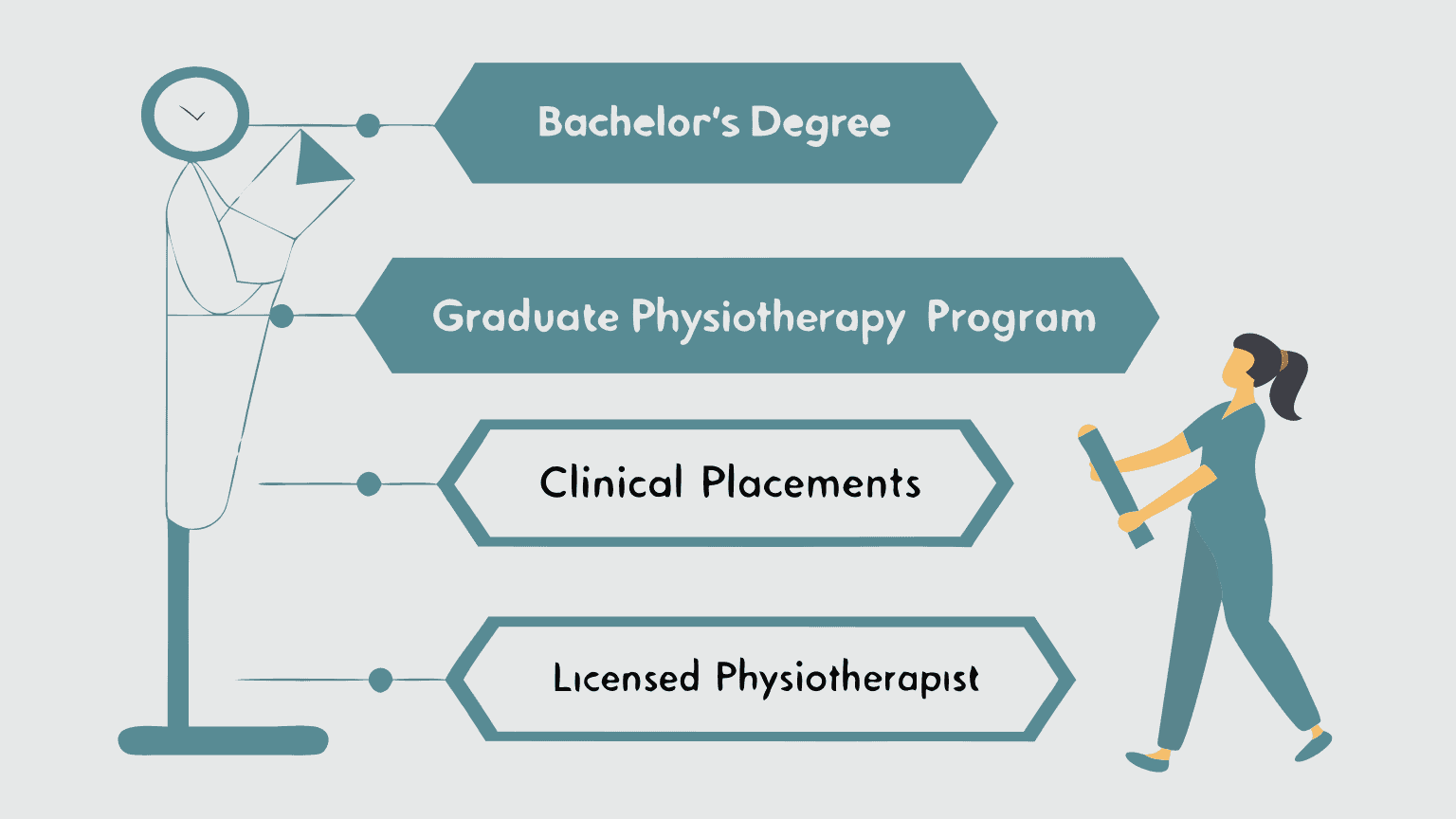
The journey from sports therapy to physiotherapy involves several key steps and considerations. First, sports therapists already have a strong foundation in musculoskeletal assessment and treatment, which gives them an advantage. However, physiotherapy requires broader medical knowledge and skills.
Key Requirements for Transition
- Bachelor’s degree in related field
- Graduate degree in physiotherapy (2-3 years)
- Clinical placements (800-1200 hours)
- Licensing exam
- State/province registration
Additional Skills Needed
| Area | Required Knowledge |
|---|---|
| Medical Sciences | Pathology, pharmacology, diagnostic imaging |
| Clinical Skills | Neurological assessment, cardiopulmonary care |
| Patient Care | Complex case management, interprofessional collaboration |
What is a sports physiotherapist?
Athletes and active individuals often struggle with injuries that impact their performance. A sports physiotherapist specializes in preventing and treating these specific challenges.
A sports physiotherapist is a licensed healthcare professional who specializes in treating sports-related injuries, optimizing athletic performance, and preventing sports injuries through specialized assessment and treatment techniques.

Sports physiotherapists combine traditional physiotherapy knowledge with sports-specific expertise. They work with athletes at all levels, from weekend warriors to professional competitors. Their role extends beyond injury treatment to performance enhancement and injury prevention.
Core Competencies
- Injury Assessment and Diagnosis
- Sport-Specific Rehabilitation
- Performance Enhancement
- Injury Prevention Strategies
Treatment Approaches
| Technique | Purpose |
|---|---|
| Manual Therapy | Restore joint mobility, reduce pain |
| Exercise Prescription | Build strength, improve function |
| Taping/Bracing | Support injured areas, prevent injury |
| Movement Analysis | Identify biomechanical issues |
Do I need to be a ‘sporty’ person to be a physical therapist?
Many aspiring healthcare professionals worry that not being athletic might limit their success in physical therapy. This common concern deserves a clear answer.
No, being athletic is not a requirement for becoming a physical therapist. What’s essential is understanding human movement, having good communication skills, and being passionate about helping others recover from injuries.
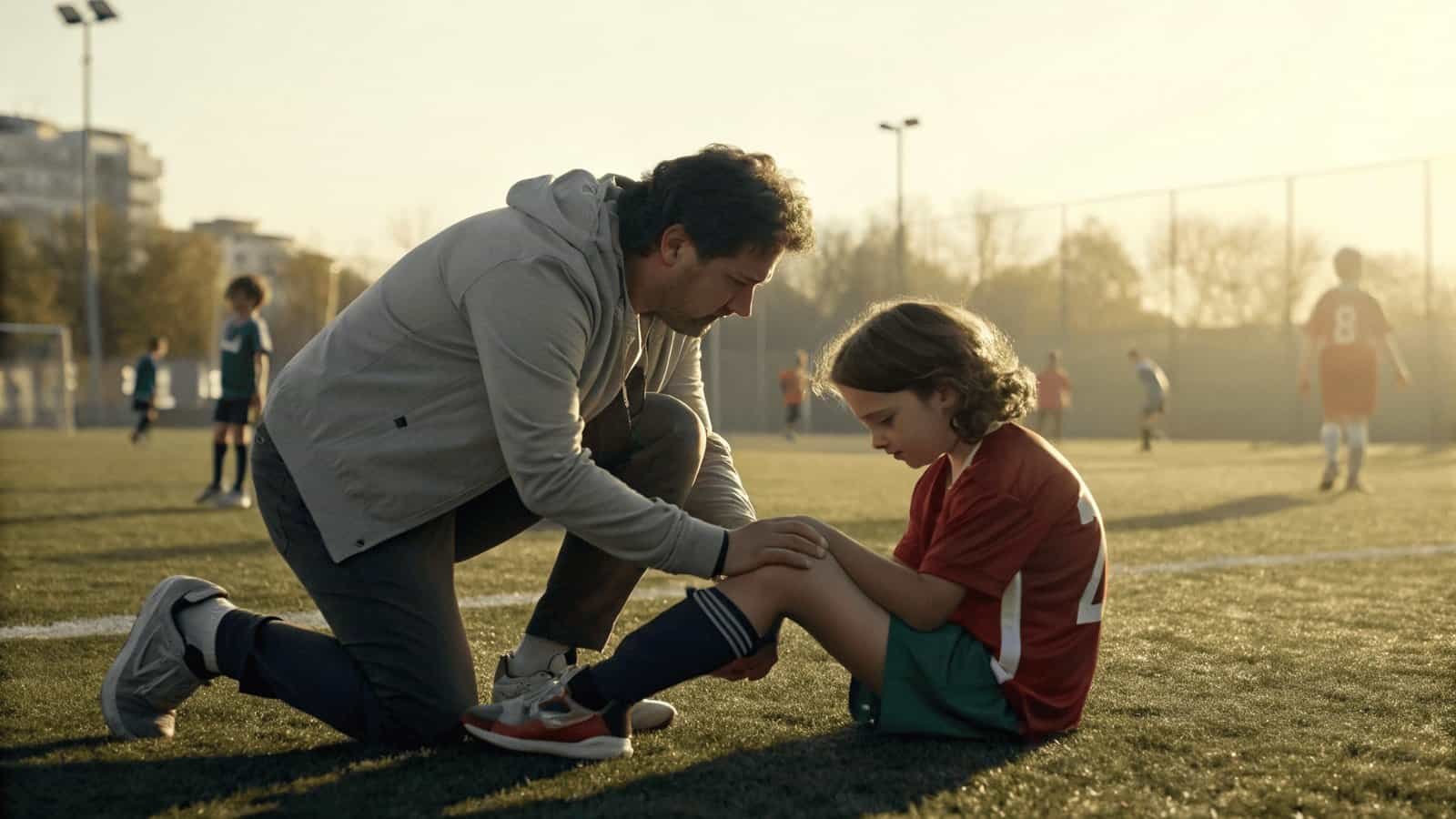
The field of physical therapy is incredibly diverse, encompassing many specialties beyond sports medicine. Success depends more on clinical knowledge, empathy, and problem-solving skills than personal athletic ability.
Physical Therapy Specialties
- Orthopedics
- Neurology
- Pediatrics
- Geriatrics
- Cardiovascular/Pulmonary
- Women’s Health
Essential Skills for Success
| Skill | Importance |
|---|---|
| Clinical Knowledge | Understanding anatomy and pathology |
| Communication | Explaining complex concepts simply |
| Problem Solving | Developing effective treatment plans |
| Empathy | Building patient trust and rapport |
Conclusion
Understanding the distinctions between wellness and rehabilitation, along with the various paths in therapeutic careers, helps create better outcomes for both practitioners and patients. Success in these fields comes from knowledge, dedication, and genuine care for others’ wellbeing.
-
Exploring this link can provide valuable insights into effective treatments and management strategies for chronic pain. ↩
-
This resource will help you understand various rehabilitation therapies that can aid in recovery and improve quality of life. ↩
-
Understanding the role of a sports therapist can help you see how they fit into the wellness and rehabilitation landscape. ↩
-
Exploring the benefits of physiotherapy can provide insights into its importance in recovery and overall health. ↩