Physical therapy can be time-consuming, expensive, and hard to schedule. Many people struggle with muscle strains and chronic pain but can’t access traditional therapy when they need it most.
The future of physical therapy is shifting toward accessible, portable treatment devices1 that allow for immediate self-care. Smart massage tools and rehabilitation equipment enable people to address injuries and pain quickly without waiting for appointments.
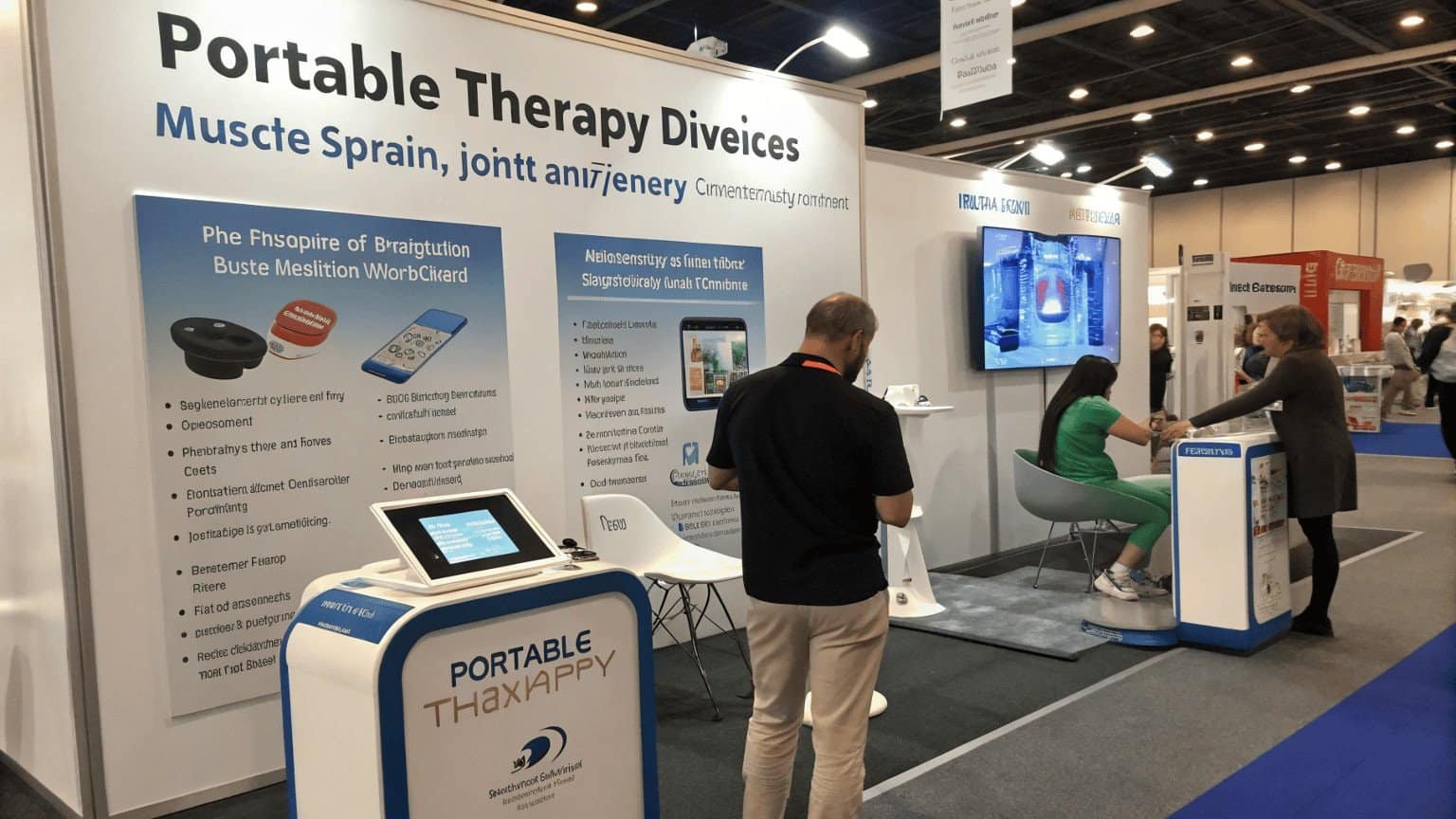
I’ve seen firsthand how frustrating it can be to deal with sports injuries and chronic pain. Let me share what I’ve learned about how physical therapy is evolving to meet these challenges.
What are the main uses of sports medicine?
Athletes and active individuals often face injuries that require immediate attention. Traditional sports medicine2 clinics aren’t always available when pain strikes during training or competition.
Sports medicine primarily treats muscle strains, joint sprains, ligament injuries, and repetitive stress conditions. Modern portable therapy devices3 now allow for immediate trackside treatment of many common sports injuries.
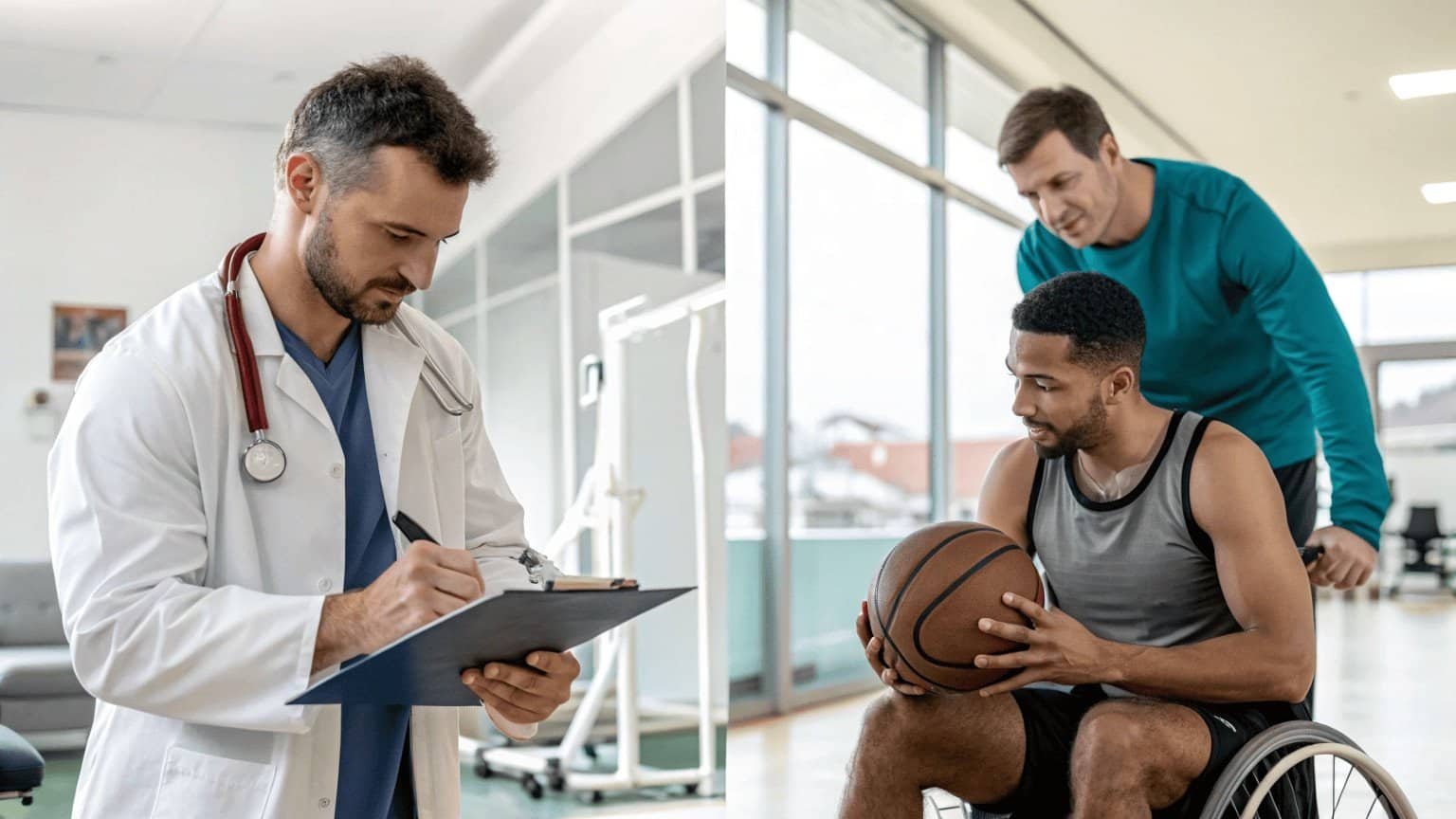
The field of sports medicine has evolved significantly to address various types of injuries:
Acute Injury Treatment
- Immediate care for sprains and strains
- Joint stabilization
- Pain management
- Swelling reduction
Chronic Condition Management
- Repetitive stress injuries
- Overuse syndromes
- Long-term rehabilitation
- Prevention strategies
Many of these treatments can now be performed using portable devices, making sports medicine more accessible than ever before.
What is the role of physical therapy?
Traditional physical therapy often requires multiple appointments and significant time investment. This can be challenging for busy professionals and athletes.
Physical therapy plays a crucial role in injury recovery, pain management, and performance enhancement. It combines manual techniques, exercises, and therapeutic tools to restore function and prevent future injuries.

The evolution of physical therapy has led to several key developments:
Modern Treatment Methods
-
Manual Therapy
- Soft tissue mobilization
- Joint manipulation
- Myofascial release
-
- Strength training
- Flexibility work
- Balance training
-
Technology Integration
- Smart rehabilitation devices
- Remote monitoring
- Portable treatment tools
Why are people upset after physical therapy?
Many patients feel frustrated when they can’t get immediate relief from physical therapy. The traditional model of scheduled appointments doesn’t always align with when pain occurs.
Common complaints include long wait times for appointments, high costs of multiple sessions, and temporary pain relief that requires ongoing treatment. These frustrations have driven innovation in home-use therapy devices5.
The solution lies in combining professional care with self-treatment options:
Benefits of Modern Therapy Tools
- Immediate access to treatment
- Cost-effective long-term care
- Portable and convenient
- Customizable intensity levels
- Professional-grade results
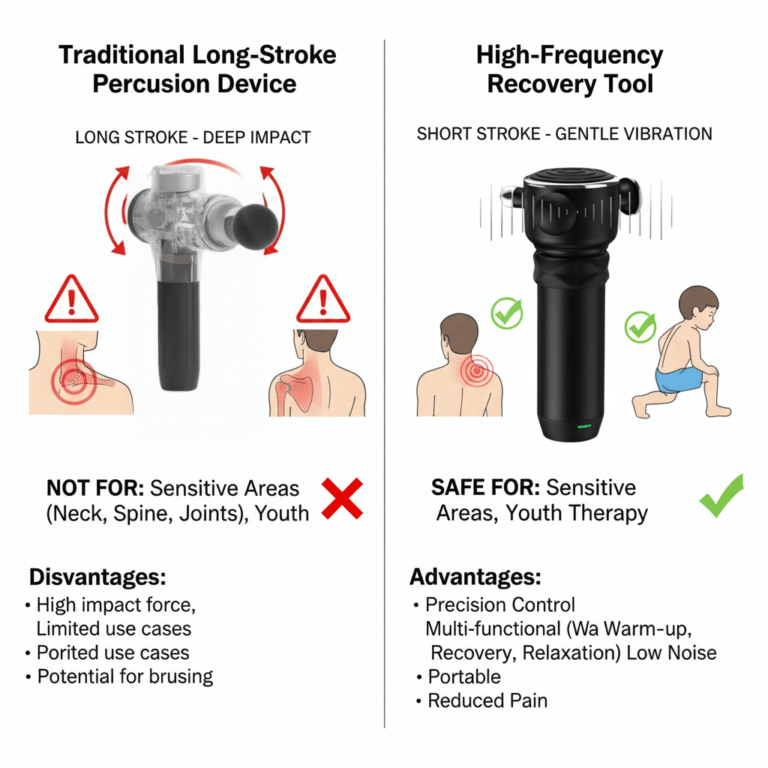
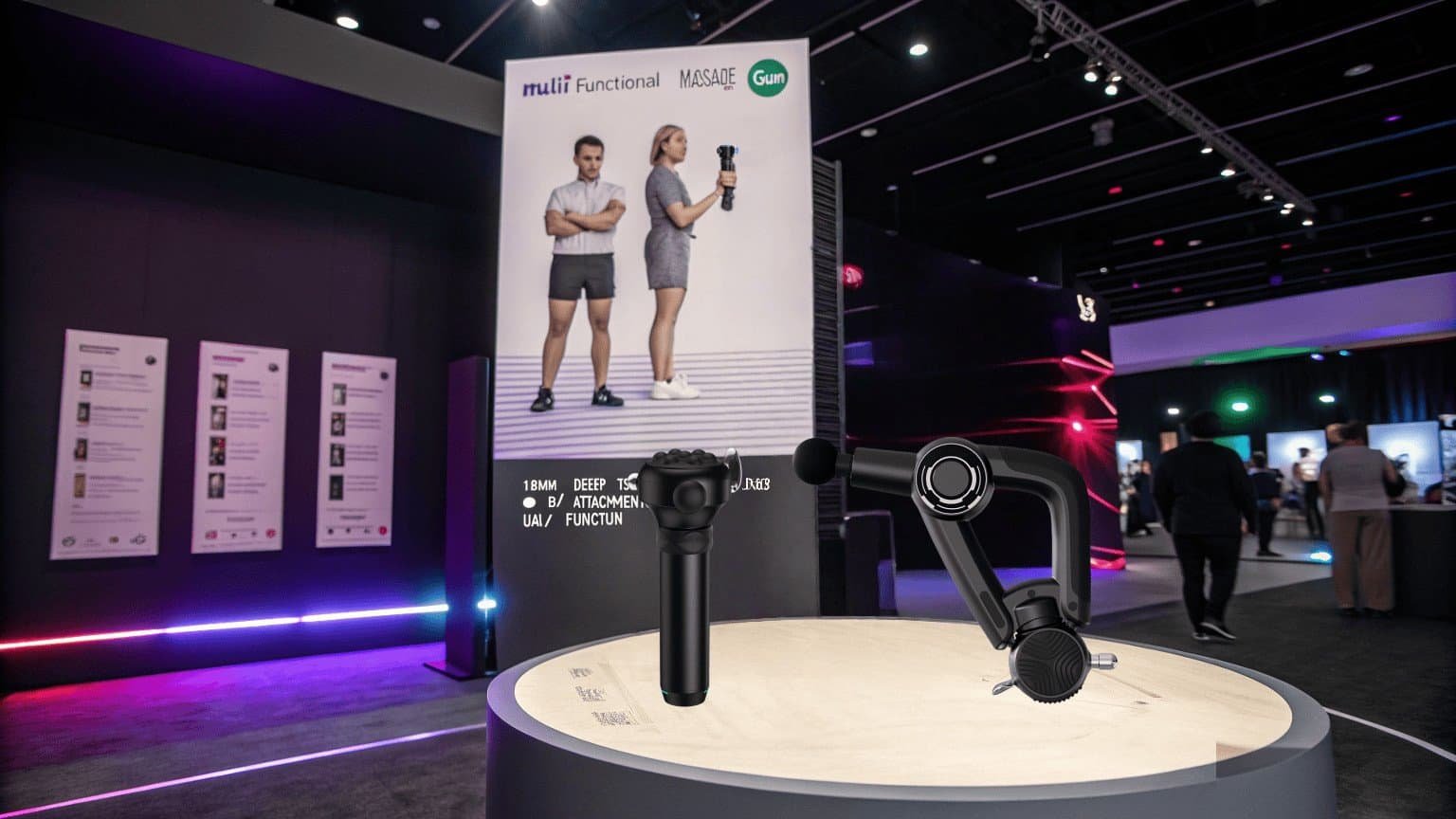
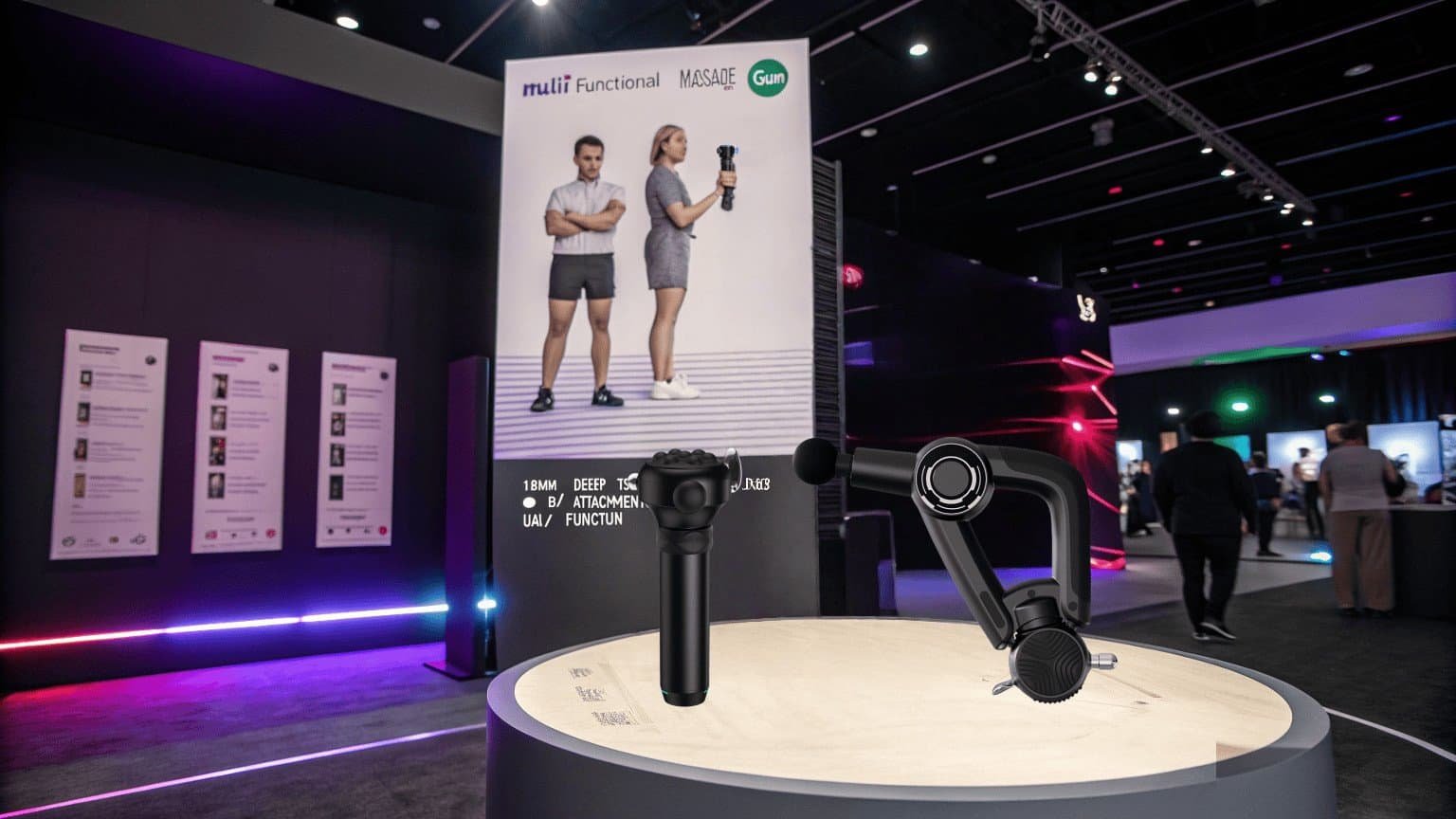
Take the Multi-Functional Massage Gun as an example. It features:
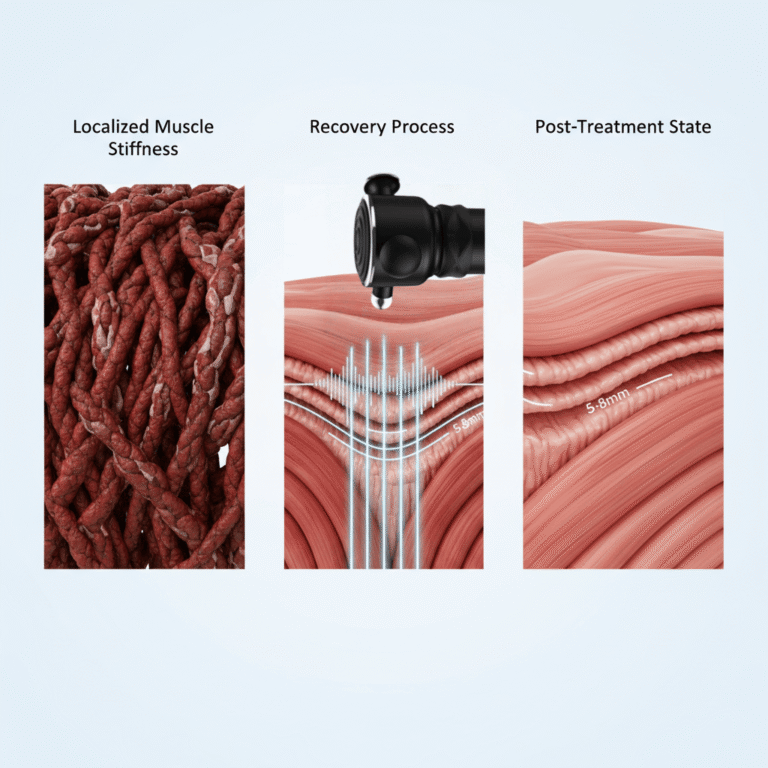
- Dual-function design with both massage and fascial release capabilities
- 16mm amplitude for deep tissue work
- 8 specialized attachment heads
- Precise targeting for different body areas
- Quick pain relief capabilities
This evolution in physical therapy tools represents a significant step forward in addressing common patient frustrations and providing more accessible treatment options.
Conclusion
The future of physical therapy combines professional care with advanced self-treatment tools, making therapeutic care more accessible, affordable, and effective for everyone who needs it.
-
Explore how portable treatment devices can revolutionize your self-care routine and provide immediate relief. ↩
-
Explore this link to understand how sports medicine can enhance recovery and performance for athletes. ↩
-
Discover the latest advancements in portable therapy devices that provide immediate relief for sports injuries. ↩
-
Exploring this link will provide insights into how therapeutic exercises can enhance recovery and improve overall physical health. ↩
-
Discovering the top home-use therapy devices can empower you to manage pain effectively and enhance your recovery process. ↩