
I felt stuck after hard sessions. My legs hurt. My nervous system felt wired. I needed a clear, fast fix I could trust.
I use a layered approach: sleep, nutrition, active rest, and targeted neuromuscular tools1. Rapid-release vibration devices trigger the tonic vibration reflex2 (TVR) to calm overactive motor neurons, reset spindle sensitivity, and speed tissue recovery.
If you want to get back to high output fast, read on. I lay out clear steps and the science behind them. You will see practical choices, not vague tips.
What is best for sports recovery?
I once chased every new hack. Most only helped a little. I learned to strip recovery down to essentials.
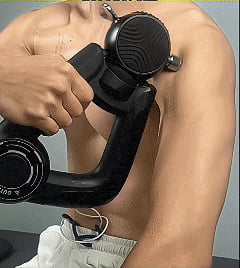
The best recovery blends consistent sleep, tailored nutrition, gentle movement, and targeted neuromuscular work. Devices that use high-frequency vibration3 add passive neural engagement and speed both muscle and fascia recovery.
Why this blend matters
I focus on sleep first. Sleep restores the brain and muscles. I check nutrition next. Food supplies repair materials. I add light movement. It keeps blood flowing. Finally, I add targeted tools. Tools like rapid-release devices give direct neuromuscular input. They do more than feel good. They change how nerves and spindles behave. That helps with coordination after heavy work.
Practical starter table
| Priority | What I do | Why it helps |
|---|---|---|
| 1. Sleep | 7–9 hours, fixed time | Restores CNS and hormones4 |
| 2. Nutrition | Protein + carbs after training | Supplies repair and energy |
| 3. Active rest | 10–20 minutes light work | Boosts circulation and mobility5 |
| 4. Neuromuscular tools | Targeted vibration work | Resets spindle sensitivity, calms hypertonic muscles |
I apply these steps in order. I rarely skip sleep. I plan tools around workouts. I use short, focused sessions with vibration devices. The goal is clear recovery, not passive lying down all day.
What are the 5 recovery techniques?
I used to list dozens. I now stick to five core practices that I repeat daily.
The five techniques I rely on are: quality sleep, targeted nutrition, active recovery6, manual or device-assisted neuromuscular work, and progressive rest cycles7 to prevent overload.

Breakdown of the five techniques
I use these five with purpose. Each has a clear role. I sleep to restore brain and hormones. I eat to rebuild tissue. I do active recovery to clear metabolites like lactate. I use manual work or devices to address muscle tone and nerve status. I plan rest cycles so training stays productive and not destructive.
Simple plan and timing
| Technique | When I use it | Typical session |
|---|---|---|
| Sleep | Nightly | 7–9 hours |
| Nutrition | Immediately post-exercise | 20–40g protein + carbs |
| Active recovery | After workouts | 10–20 minutes low intensity |
| Manual/device work | Post-exercise or AM | 2–5 min per muscle group |
| Rest cycles | Weekly/monthly | 1 light week every 4–6 weeks |
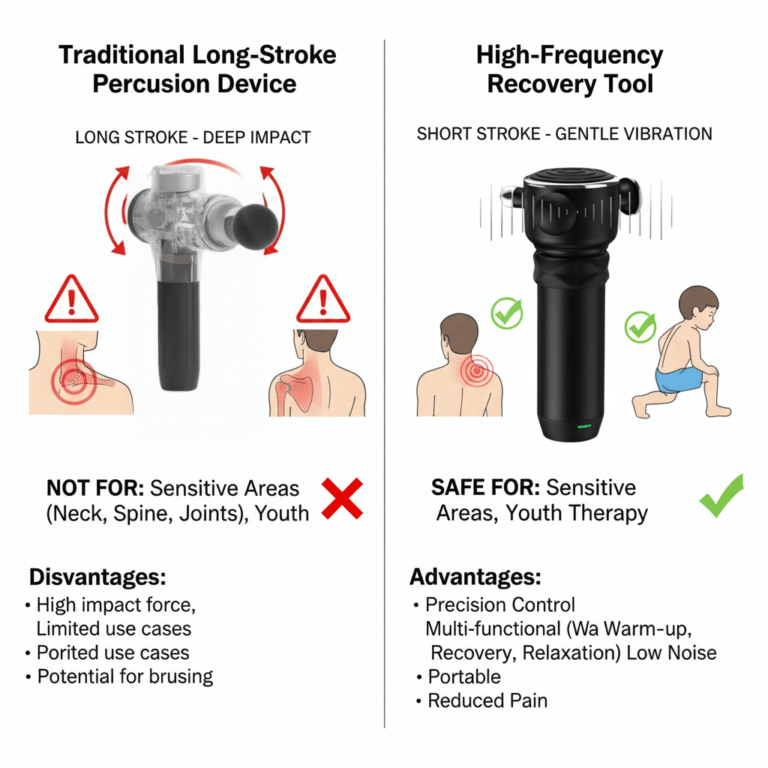
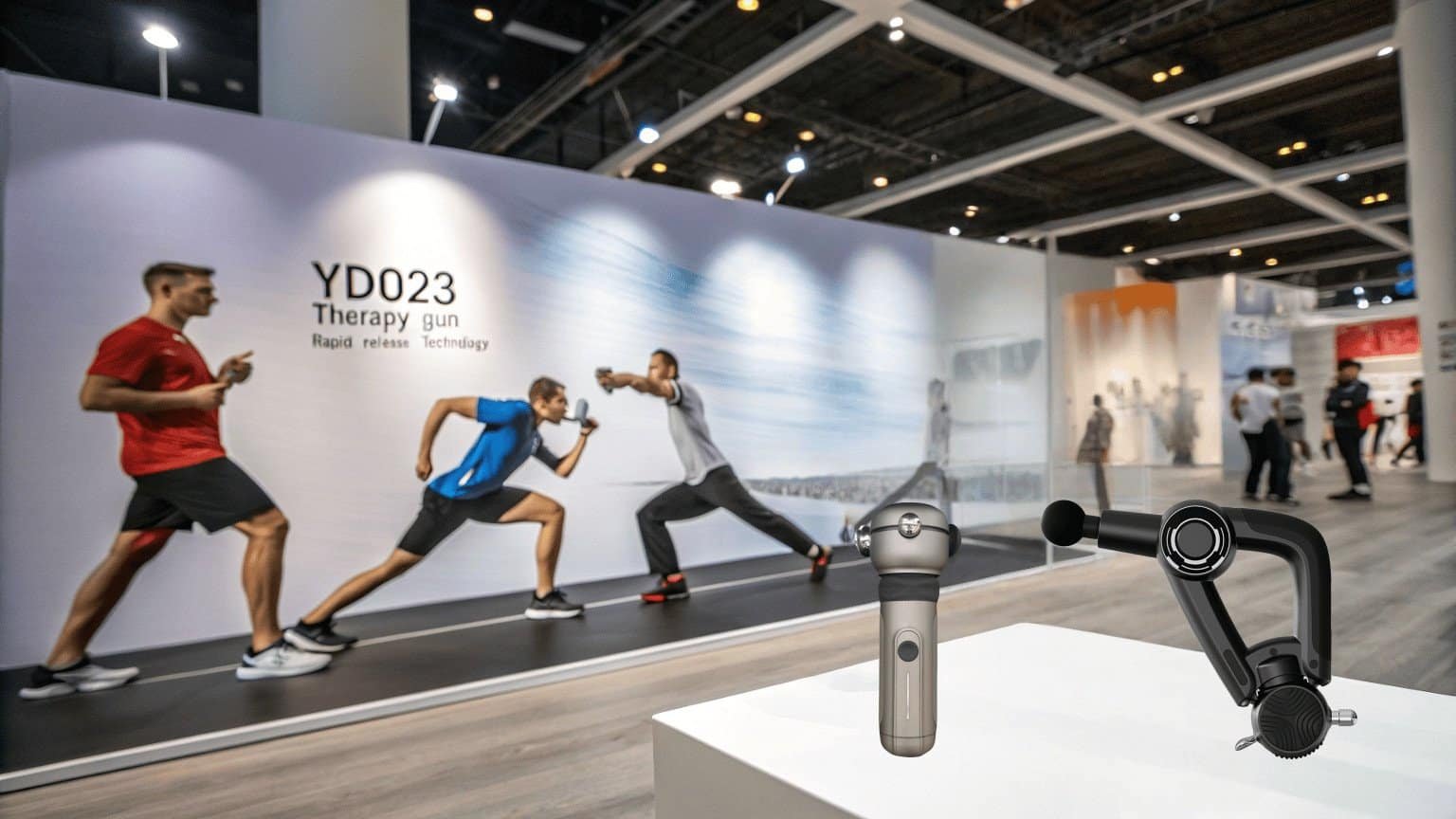
I use devices for the neuromuscular work. I prefer rapid-release therapy guns8. I apply them for short bouts. The aim is neural reset, not long massage. The devices trigger the tonic vibration reflex2. The reflex causes small, fast muscle contractions. Those contractions help recalibrate muscle spindles9. They lower excessive tone. They improve proprioception10. That helps me return to precise movement faster.
What is the science of sports recovery?
I used to think recovery was only about muscles. I learned it is also about nerves. The nervous system drives movement and fatigue.
Recovery science shows that both the peripheral tissues and the CNS need repair. High-frequency vibration elicits the Tonic Vibration Reflex (TVR). TVR gives rapid neuromuscular engagement that calms hyperactive motor neurons and improves proprioception.
How TVR and vibration help
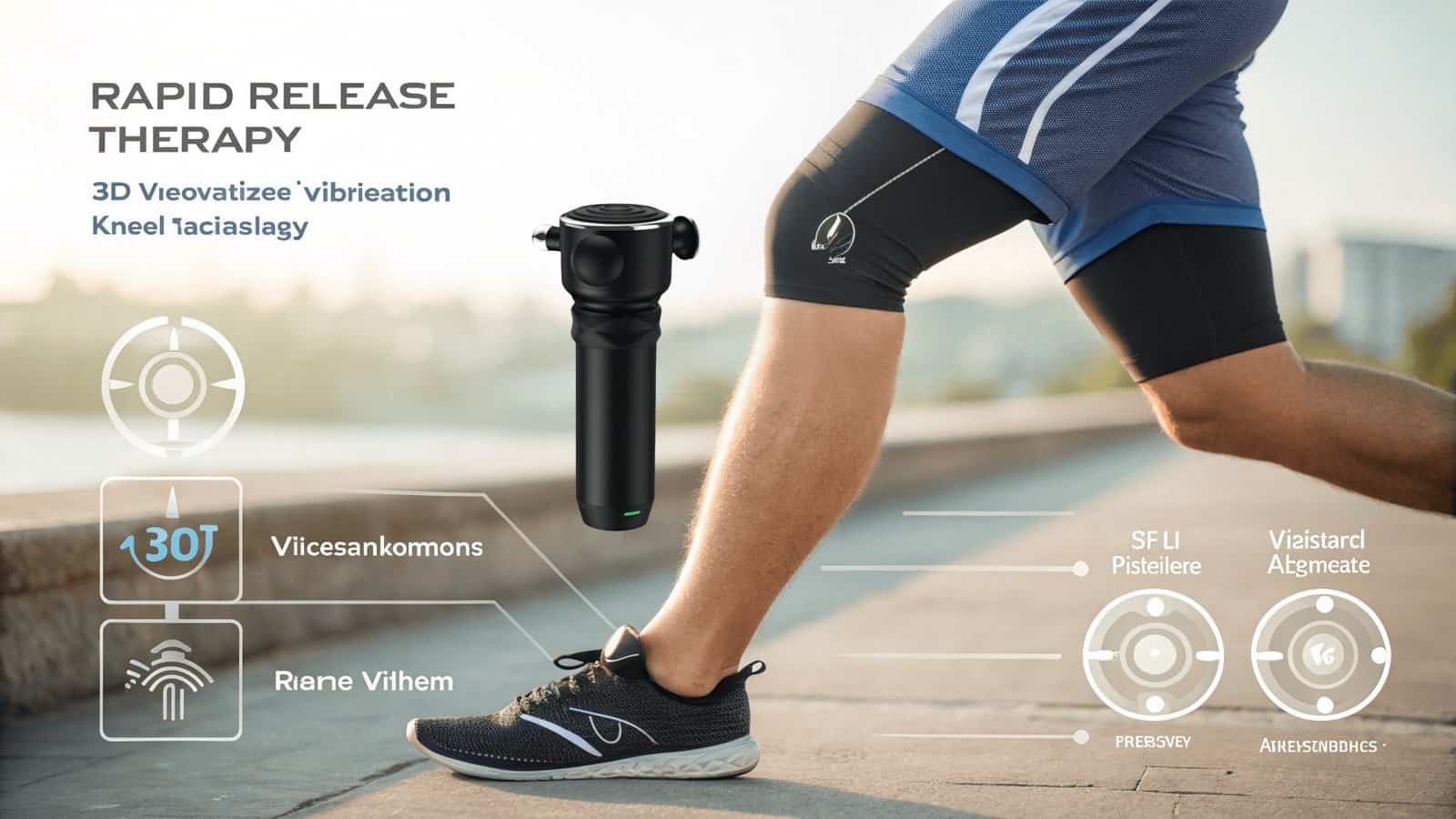
I explain TVR simply. Vibration at specific frequencies stimulates muscle spindles9. The spindles send signals to the spinal cord. Motor neurons respond with quick, small contractions. This is the tonic vibration reflex2. The reflex changes spindle sensitivity. It can reduce hypertonicity. It also improves body awareness. For athletes, that means they regain coordinated effort faster.
Device specifics and how I use them
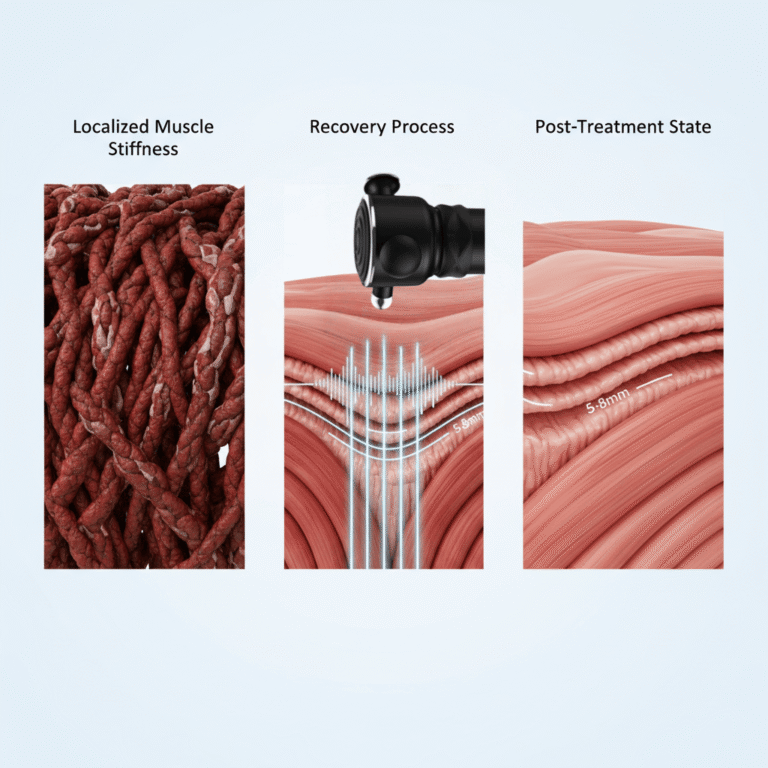
I use rapid-release therapy guns8 with clear specs. They deliver 4,500–7,500 percussive hits per minute. They use 3D motion. That means vertical plus horizontal vibration. Amplitude is 2–3.5 mm. The vibration reaches about 6–8 mm under the skin. This covers superficial to deeper fascia layers.
| Feature | Rapid-release therapy gun | Standard fascia gun |
|---|---|---|
| Coverage | +15% usable areas (neck, knee, foot) | Baseline |
| Max speed | +160% highest hits/min | Baseline |
| Relaxation efficiency | +180% | Baseline |
| Noise | -23% | Baseline |
I use short bursts on tight areas. I keep sessions focused. I watch for signs of nerve irritation. I avoid long, heavy pressure. I pair device use with light movement. That helps integrate the neural changes into functional movement.
Tissue and circulation effects
I also look at blood flow. Vibration increases local circulation. Increased blood flow helps clear lactate and deliver repair nutrients. The device can help reduce delayed onset muscle soreness11. It can also break up small scar tissue and adhesions over time. I combine device work with mobility drills. That keeps the tissues moving in the new range. I track outcomes. I look for less soreness and better movement within 24–72 hours.
Conclusion
I use sleep, nutrition, active recovery, and targeted neuromuscular vibration to speed safe recovery and restore coordinated performance.
-
Explore the latest neuromuscular tools to optimize your recovery and enhance muscle performance. ↩
-
Understanding the tonic vibration reflex can enhance your recovery strategy and improve athletic performance. ↩ ↩ ↩
-
Discover the science behind high-frequency vibration therapy and its benefits for muscle recovery. ↩
-
Explore the critical role of sleep in restoring your central nervous system and hormonal balance. ↩
-
Discover how enhancing circulation can speed up your recovery and improve overall mobility. ↩
-
Learn how active recovery can boost your performance and speed up recovery times. ↩
-
Learn how implementing progressive rest cycles can keep your training effective and sustainable. ↩
-
Find out how rapid-release therapy guns can transform your recovery routine and enhance muscle relaxation. ↩ ↩
-
Understanding muscle spindles can help you improve your training and recovery strategies. ↩ ↩
-
Understanding proprioception can help you improve coordination and performance in your sport. ↩
-
Learn effective strategies to minimize delayed onset muscle soreness and enhance recovery. ↩