Referral to physiotherapy clinics in sports and training environments is typically considered when normal recovery strategies no longer restore comfortable movement or consistent performance. These situations do not necessarily involve acute injury, but they often indicate that recovery capacity is falling behind training or activity demands.
In practice, persistent discomfort1, recurring tightness, or noticeable movement limitations are common signals that additional professional recovery support may be appropriate. For physiotherapy clinics and sports recovery centers, earlier referral also corresponds with higher session frequency and greater demand for recovery tools2 that can be used repeatedly without compromising operational consistency.
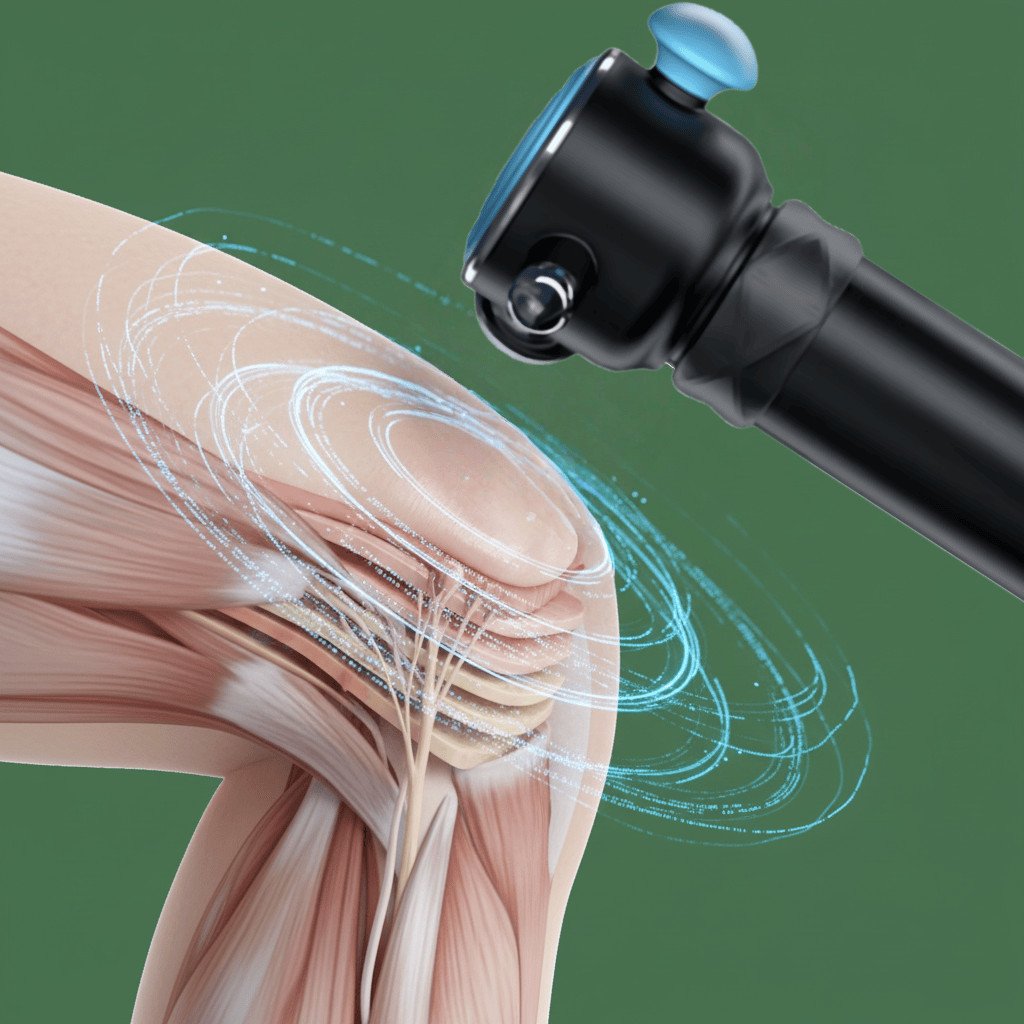
Rather than relying on a single symptom, referral decisions are usually informed by training history, recovery response, and observable movement quality3. As referral volumes increase, clinics increasingly evaluate whether their recovery workflows and equipment can scale alongside these demands.
Why Consider Early Referral for Soft-Tissue Overuse Injuries in Athletes?
Early referral for soft-tissue overuse4 in athletes is typically considered when recovery capacity can no longer keep pace with repeated training load. In many sports, muscles and connective tissues are exposed to continuous mechanical stress5 that accumulates gradually rather than presenting as sudden injury.
In real-world practice, soft-tissue overuse4 patterns are often flagged when discomfort reappears soon after activity, recovery windows progressively lengthen, or movement quality3 declines despite adequate rest. These patterns suggest that self-managed recovery alone may no longer be sufficient.

From an operational standpoint, early physiotherapy involvement helps reduce variability in recovery outcomes. When athletes continue training under unresolved soft-tissue stress, subtle compensatory movement strategies may emerge, increasing both physical load and long-term management complexity.
| Aspect | Without Structured Support | With Early Physiotherapy Input |
|---|---|---|
| Tissue Load | Accumulates unevenly | Managed progressively |
| Movement Quality | Variable | More predictable |
| Recovery Consistency | Fluctuates | Stabilized |
As early referral becomes more common, clinics are often required to support higher athlete throughput6, placing additional pressure on staff time, recovery equipment reliability, and workflow efficiency.
How Do Physiotherapy Clinics Manage Muscle Tightness and Fascial Restrictions?
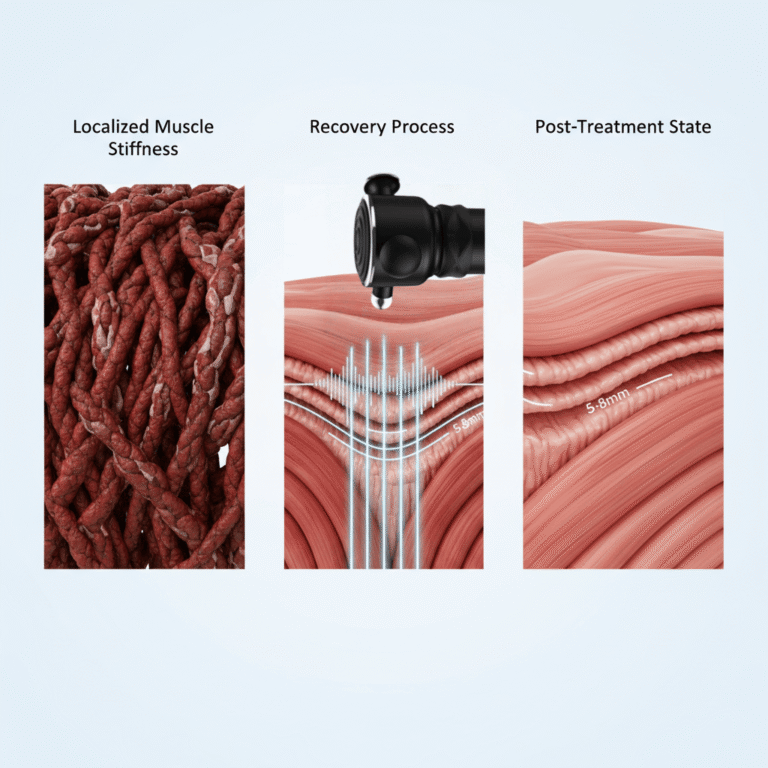
Management of muscle tightness7 and fascial movement restriction in physiotherapy settings is typically guided by movement response rather than isolated symptoms. Clinics often distinguish between surface muscle tone and deeper soft-tissue restrictions by observing how tissues behave under load and during functional movement.
To address these differences, physiotherapy clinics usually combine multiple non-invasive recovery techniques instead of relying on a single approach. The objective is to support gradual improvements in comfort, mobility, and tissue adaptability while maintaining predictable session flow.
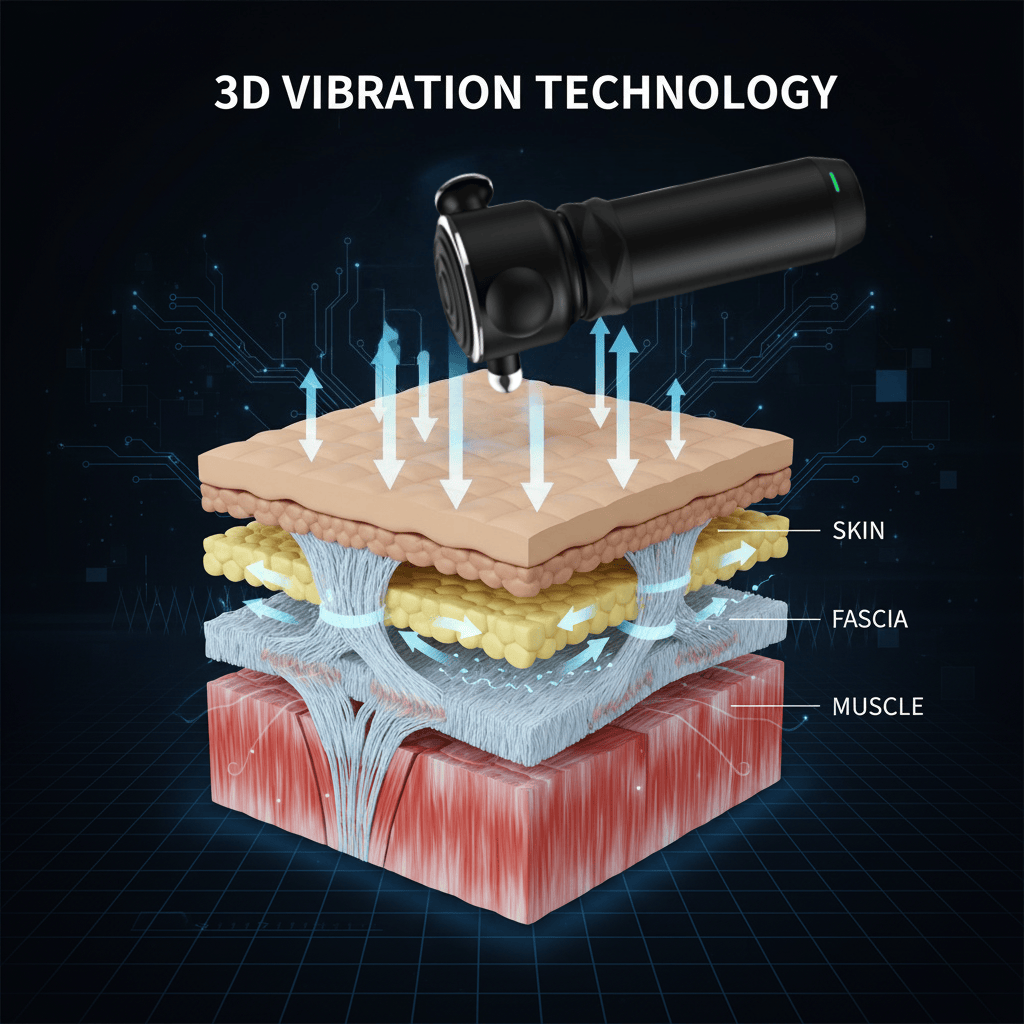
Key considerations that influence recovery strategy selection include:
| Focus Area | Early Support Phase | Ongoing Recovery Phase |
|---|---|---|
| Muscle Tone | Gentle mechanical input | Progressive loading |
| Soft-Tissue Glide | Low-intensity stimulation | Targeted mechanical input |
| Movement Response | Comfort-oriented | Function-oriented |
In busy clinic environments, recovery outcomes often vary not because of the approach itself, but because mechanical input depends heavily on individual practitioner technique. This variability makes standardization difficult when recovery tools2 lack stable, multi-directional output.
What Criteria Do Physiotherapy Clinics Use When Selecting High-Frequency 3D Vibration Devices?
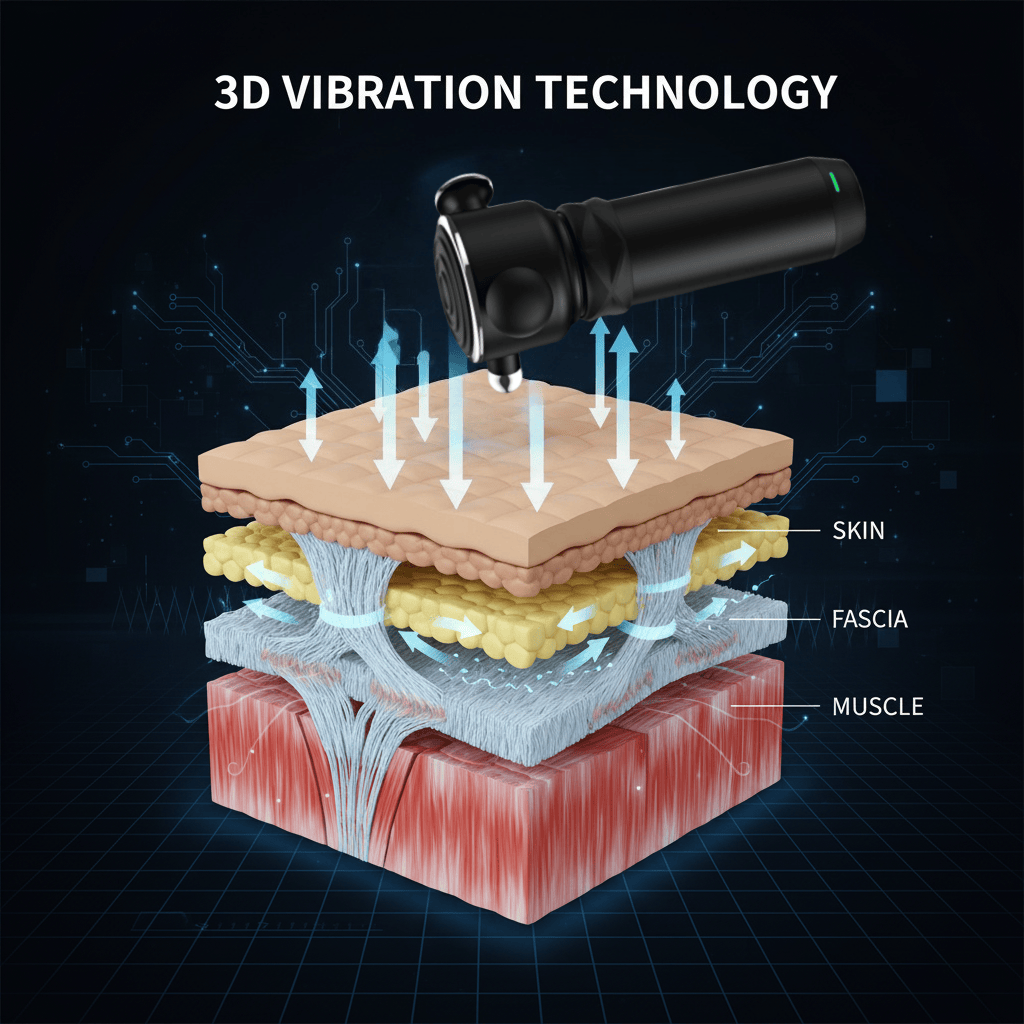
For physiotherapy clinics, selecting high-frequency 3D vibration devices8 is primarily an operational decision rather than a purely technical one. The main concern is whether a device can deliver consistent mechanical stimulation across different practitioners, sessions, and athlete profiles.
Rather than focusing on peak intensity or headline specifications, clinics typically evaluate how well high-frequency 3D vibration recovery devices integrate into existing workflows and whether they reduce operator-dependent variability9.
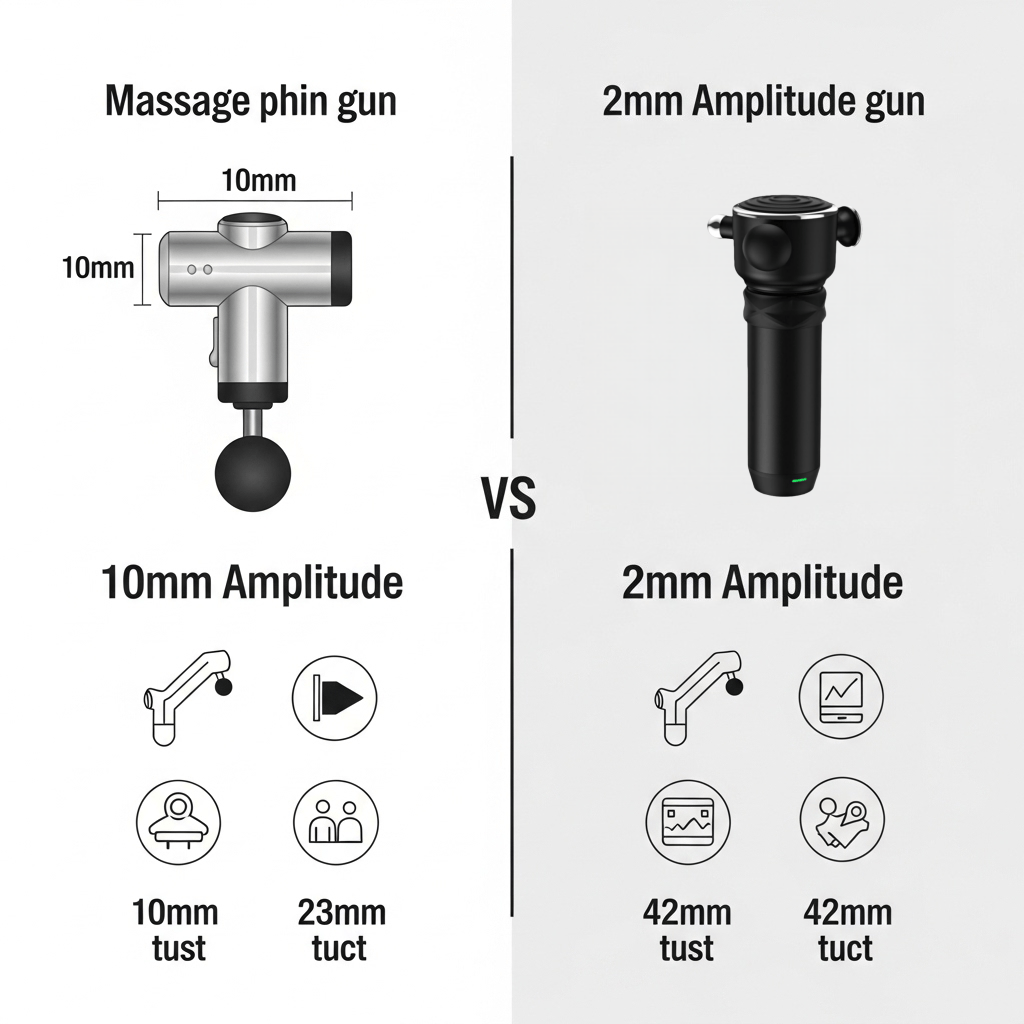
Common evaluation criteria include:
| Consideration | Why It Matters in Clinics |
|---|---|
| Output Consistency | Enables repeatable recovery input across users |
| Mechanical Stability | Maintains predictable vibration patterns |
| Multi-Directional Stimulation | Supports interaction with muscle and fascial layers |
| Ergonomic Design | Reduces fatigue during extended professional use |
| Ease of Cleaning | Fits shared clinical environments10 |
| Workflow Compatibility | Integrates smoothly into established protocols |
As referral volumes increase and recovery protocols become more structured, many clinics begin reassessing whether their existing equipment can support scalable, repeatable soft-tissue recovery without adding operational strain.
Conclusion
Referral to physiotherapy clinics in sports and training settings is rarely driven by a single symptom. Instead, it is typically guided by patterns such as recurring discomfort, reduced movement quality3, and progressively longer recovery periods.
As sports recovery continues to shift toward earlier intervention and higher throughput, clinic-level consistency is becoming as important as individual session quality. This trend is prompting many physiotherapy clinics and sports recovery facilities to re-evaluate whether their workflows and recovery equipment are equipped to support efficient, standardized soft-tissue management at scale.
This article reflects common operational considerations observed in physiotherapy clinics and sports recovery facilities working with high training volumes.
-
Understanding the causes of persistent discomfort can help athletes seek timely physiotherapy intervention. ↩
-
Exploring effective recovery tools can aid athletes in enhancing their performance and recovery. ↩ ↩
-
Exploring the impact of movement quality can enhance training strategies and injury prevention. ↩ ↩ ↩
-
Identifying signs of soft-tissue overuse can lead to early treatment and better recovery outcomes. ↩ ↩
-
Understanding mechanical stress is crucial for athletes to manage their training loads effectively. ↩
-
Learning strategies for managing athlete throughput can enhance clinic performance and patient care. ↩
-
Discovering treatments for muscle tightness can improve performance and reduce injury risk. ↩
-
Learning about these devices can enhance recovery techniques and improve outcomes. ↩
-
Understanding this concept can help clinics standardize treatment approaches for better results. ↩
-
Understanding these challenges can help clinics improve their operational efficiency. ↩