Sciatica pain can be unbearable, making even simple movements difficult. Many people struggle to find quick relief without visiting a doctor. The good news is you can target specific points to ease the pain.
Targeting trigger points along the sciatic nerve1 path with a 3D high-frequency percussion massager can effectively relieve sciatica by relaxing tight muscles that compress the nerve. Focus on lower back, glutes, and hamstrings.
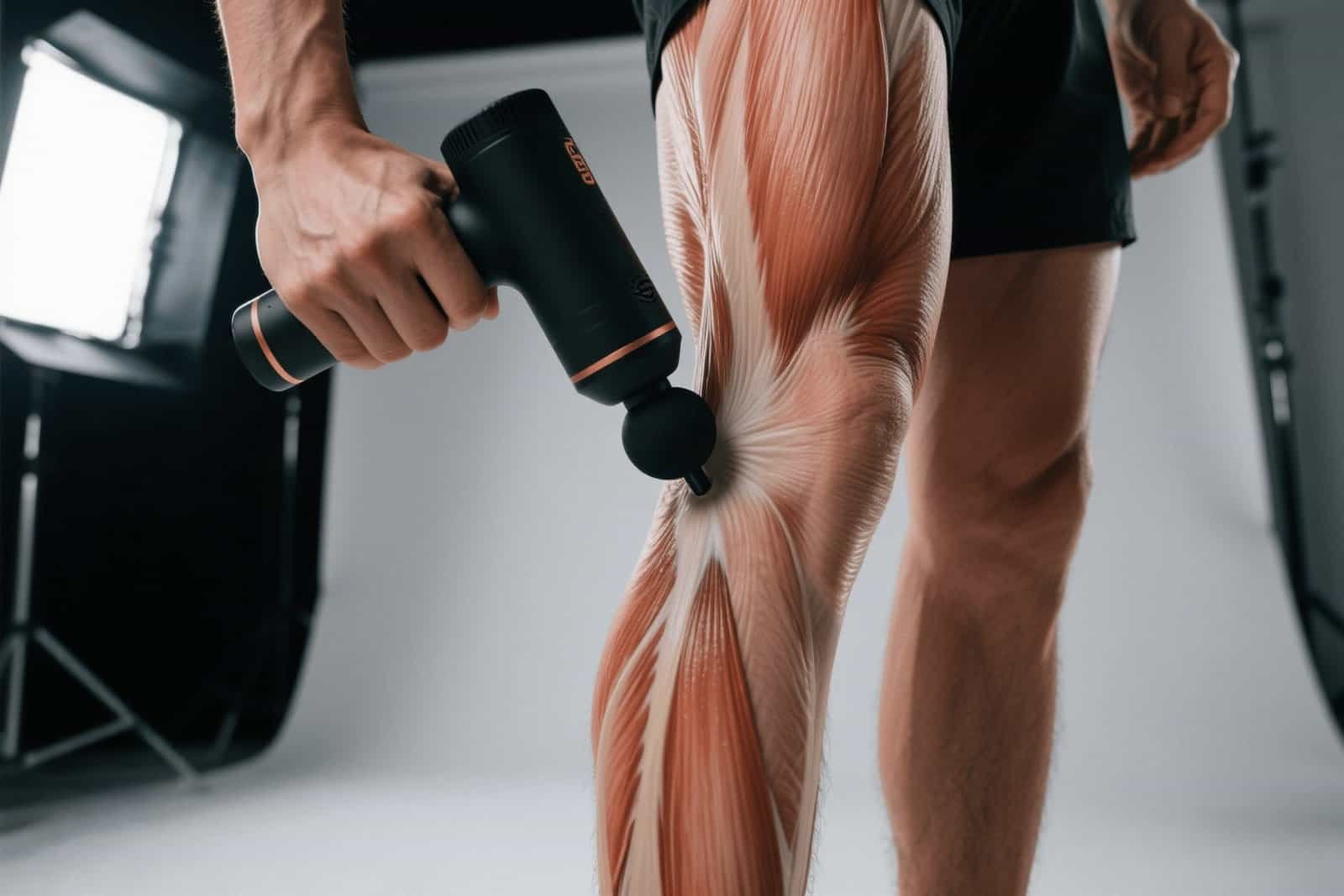 “sciatica trigger points”)
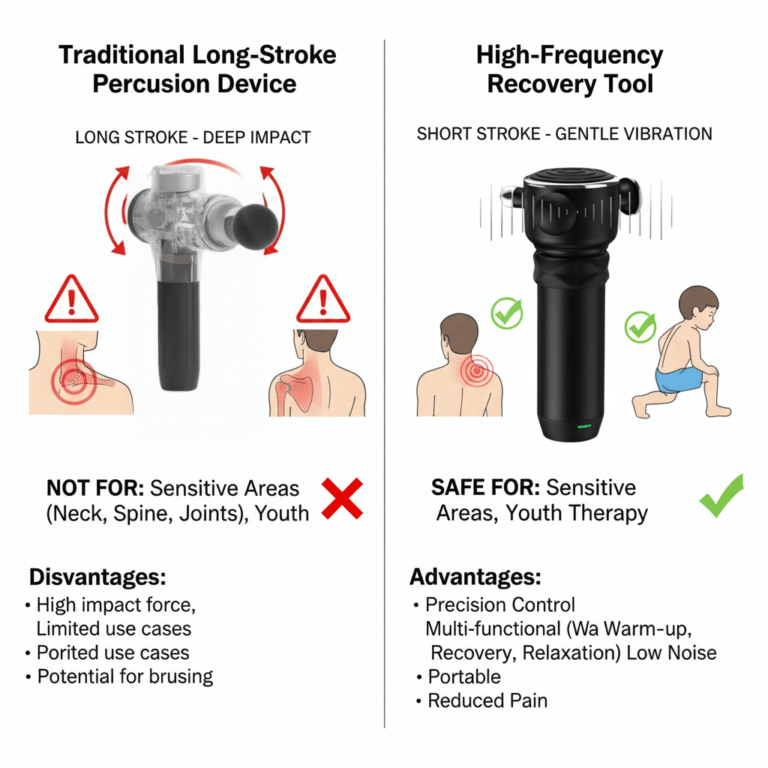
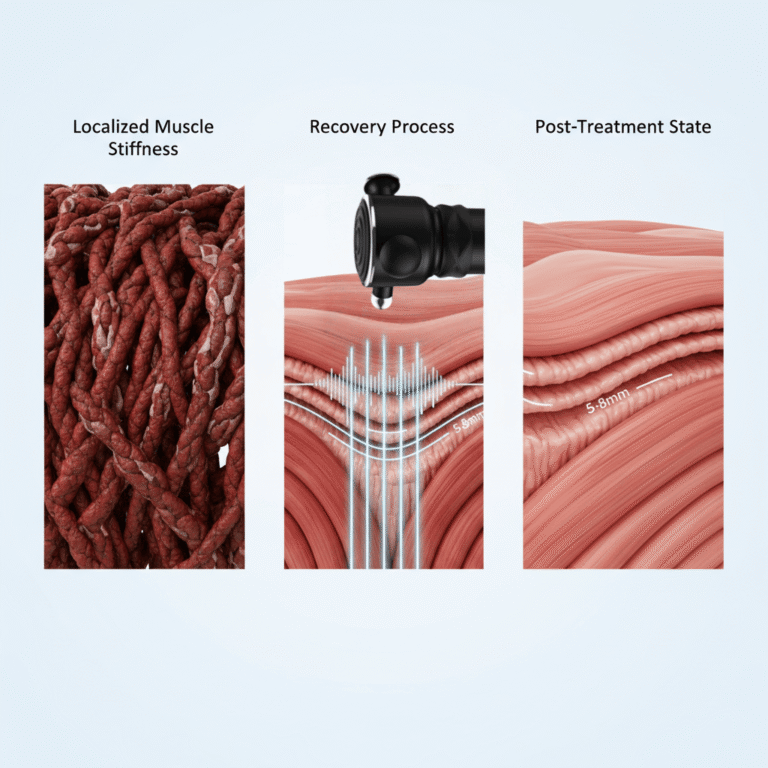
Traditional percussion massagers often fail to address sciatica, but 3D high-frequency vibration reaches deep fascia layer to reduce inflammation. I’ve seen clients get significant relief by following this method. Let me show you exactly where to press.
How do you release a sciatic nerve2 yourself?
Releasing your sciatic nerve at home requires precision and the right tools. Many try stretching alone, but this often isn’t enough for immediate relief.
Use a high-frequency massager3 on these key areas for 30-60 seconds each: lower back (erector spinae), gluteal muscles (especially piriformis), and hamstrings. Apply moderate pressure moving slowly along muscle fibers.
 “self massage techniques”)
The piriformis muscle4 is particularly important – when tight, it directly presses on the sciatic nerve5. Here’s how to approach each area properly:
-
Lower Back
- Position: Lie face down with massager perpendicular to spine
- Motion: Move vertically along muscle groups
- Time: 45 seconds per side
-
Glutes
- Technique: Circular motions on piriformis (near hip bone)
- Pressure: Moderate – you should feel relief, not pain
- Alternative: Sit on massager for deeper pressure
-
Leg Muscles
- Path: Follow hamstring down to calf
- Speed: Slow movements (2 inches/second)
- Frequency: 2-3 times daily during flare-ups
Can I massage my own sciatic nerve?
While you can’t directly massage the nerve, you can relieve pressure on it. Many patients make the mistake of pressing directly on painful spots, which can worsen inflammation.
Yes, you can safely self-massage muscles6 surrounding the sciatic nerve using proper technique. Avoid pressing directly on the nerve pathway – instead target surrounding tight muscles with angled pressure.
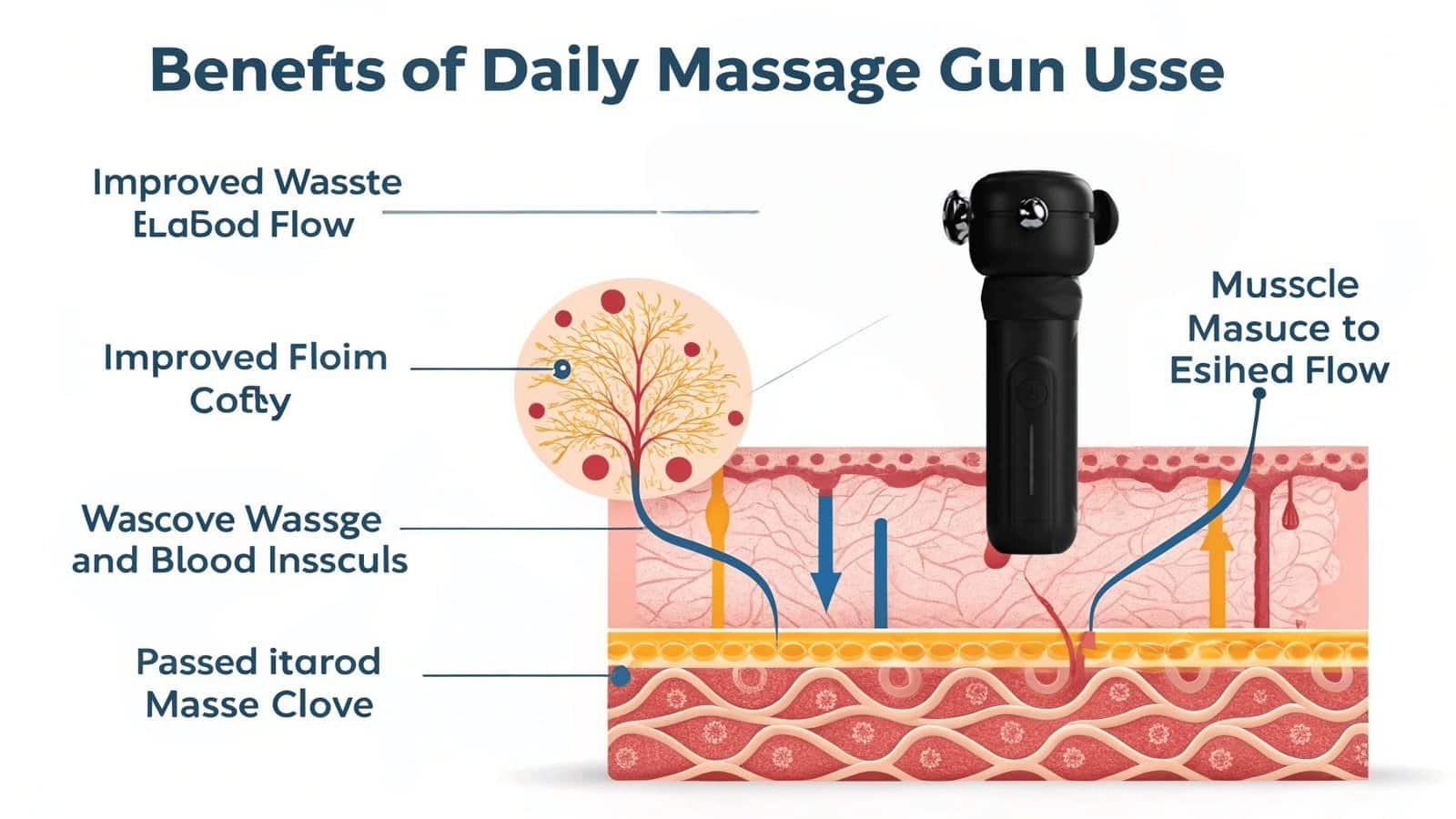 “proper massage angles”)
There are three crucial safety rules for effective self-treatment7:
| Do’s | Don’ts |
|---|---|
| Use heat before massage | Apply ice directly after |
| Limit sessions to 10 minutes | Massage over bony areas |
| Follow muscle fiber direction8 | Use excessive pressure |
The key is gradual progress. Start with lighter pressure for shorter durations, increasing as tolerated. I recommend my clients follow this progression:
- Week 1: 5-minute sessions, light pressure
- Week 2: 7-minute sessions, medium pressure
- Week 3+: 10-minute sessions, firm pressure
Where is the trigger point for sciatica?
Sciatica trigger points vary by individual, but certain muscles commonly contribute to nerve compression. Medical studies show 85% of cases involve these specific areas.
Primary sciatica trigger points9 are located in: piriformis (buttocks), erector spinae (lower back), and hamstring origins (upper thigh). Secondary points include calf and foot muscles in chronic cases.
 “trigger point locations”)
Understanding the nerve pathway helps identify your personal trigger points:
-
Spinal Origin (L4-S3)
- Affects: Lower back stiffness10
- Treatment: Paravertebral massage
-
Piriformis Region
- Symptom: Deep buttock pain11
- Method: Cross-fiber friction
-
Hamstring Complex
- Indication: Leg numbness12
- Approach: Longitudinal stripping
For best results, combine trigger point release with:
- Gentle stretching
- Proper hydration
- Anti-inflammatory diet
- Posture correction
Conclusion
Targeting specific muscles with high-frequency vibration can effectively relieve sciatica pain. Always start gently and consult professionals if pain persists.
-
Understanding trigger points can help you manage sciatica pain more effectively; explore this resource for valuable insights. ↩
-
Discover various techniques and tools to effectively release the sciatic nerve at home for immediate relief. ↩
-
Learn about the effectiveness of high-frequency massagers in alleviating sciatic nerve pain and enhancing recovery. ↩
-
Understanding the piriformis muscle’s role can help you manage sciatic nerve pain effectively. Explore this link for detailed insights. ↩
-
Discover effective practices for relieving sciatic nerve pain, enhancing your overall well-being. This link offers expert advice. ↩
-
Learn safe self-massage techniques to relieve sciatic nerve pressure and improve comfort. This resource provides valuable guidance. ↩
-
Exploring self-treatment techniques can empower you to manage pain effectively and improve your well-being. ↩
-
Learning about muscle fiber direction enhances your massage techniques for better results and safety. ↩
-
Understanding sciatica trigger points can help you identify pain sources and improve treatment strategies. ↩
-
Explore this link to discover various treatments and exercises that can alleviate lower back stiffness effectively. ↩
-
This resource will provide insights into the causes and treatments for deep buttock pain, helping you understand your symptoms better. ↩
-
Understanding the causes of leg numbness can help you address the issue more effectively; check this link for detailed information. ↩