Are you experiencing temporary discomfort after physiotherapy and worried it’s a sign of harm? Understanding these sensations is key.
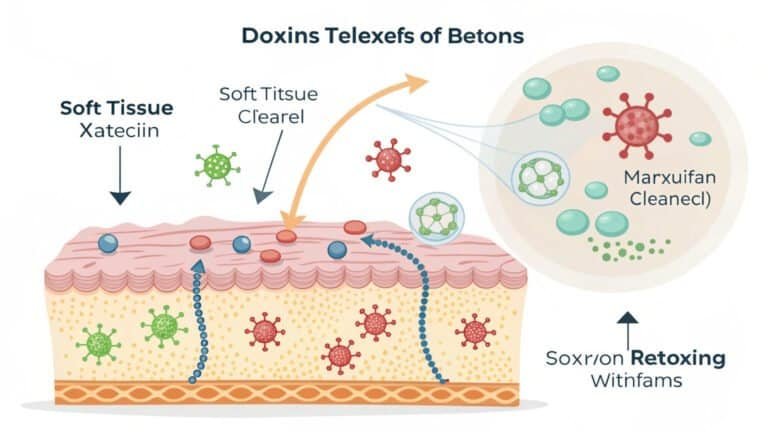
Sometimes, feeling a bit worse after physiotherapy is a normal "healing response1," not a sign of damage. This can mean your body is adapting and repairing, and knowing how to interpret and manage these feelings is crucial for a successful recovery.

I’ve often heard people say, "Physiotherapy made it worse!" But from my experience in the rehab equipment industry, and with insights from designers like Jacky, I know that often this "worse" feeling is temporary. It’s like a muscle getting used to a new kind of pressure. The key is to distinguish between a normal healing signal and actual harm.
What are types of therapy included in physiotherapy?
Feeling overwhelmed by the different techniques involved in physiotherapy? It’s more than just stretching.
Physiotherapy is a comprehensive approach, combining various methods like manual therapy2, therapeutic exercise3, and physical modalities4 like heat or electrical stimulation. It’s not a one-size-fits-all process, but rather a tailored combination of strategies designed to address your specific needs.
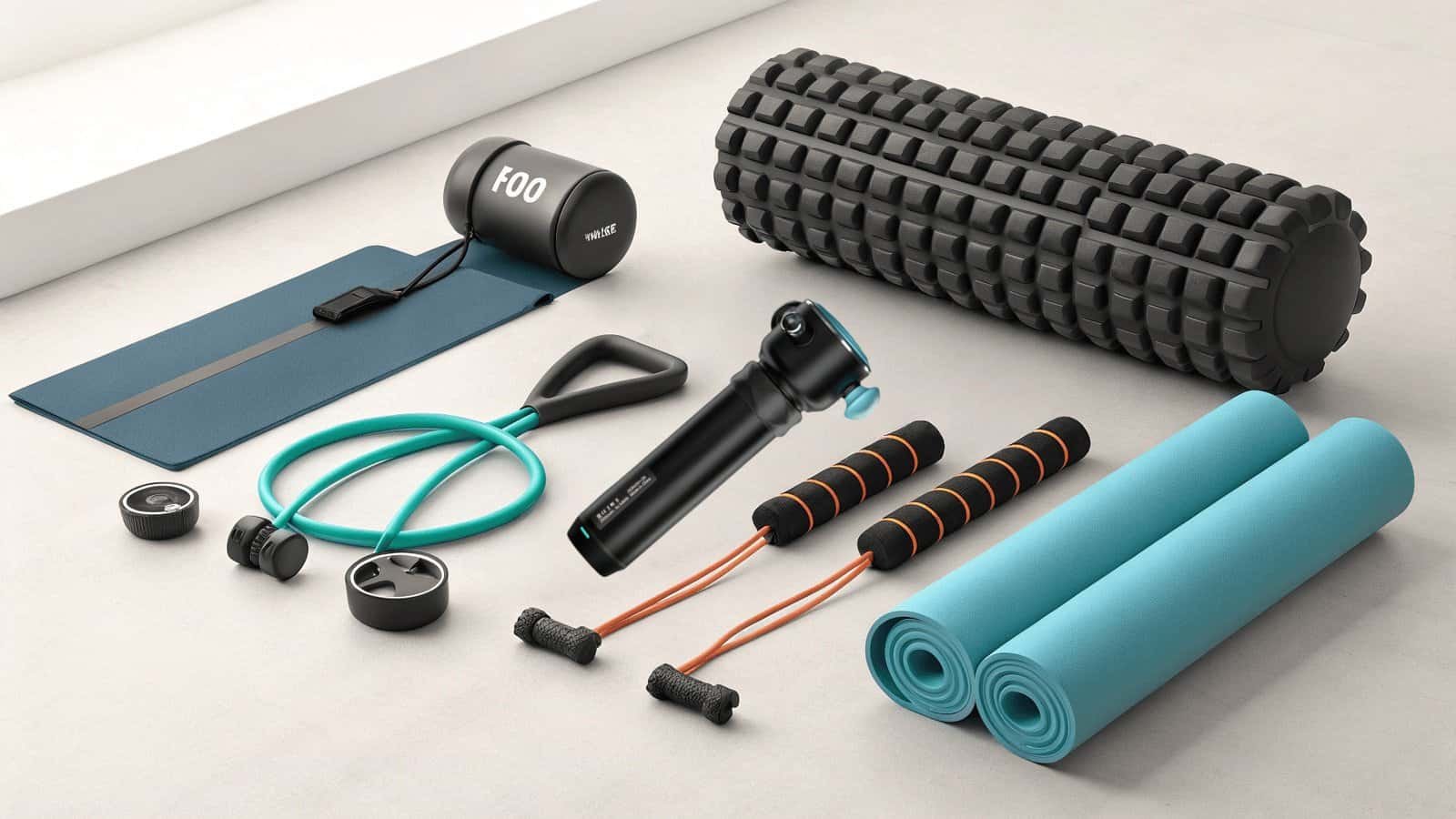
It’s important to see physiotherapy as a complete toolkit. Think of it like a builder using various tools for different jobs. My work with rehabilitation equipment has shown me how essential it is to have the right tools, from the precision of a massage gun to the support of a balance board. Physiotherapy integrates these tools and techniques to create a powerful recovery plan.
Interpreting "Healing Responses" vs. Worsening Symptoms
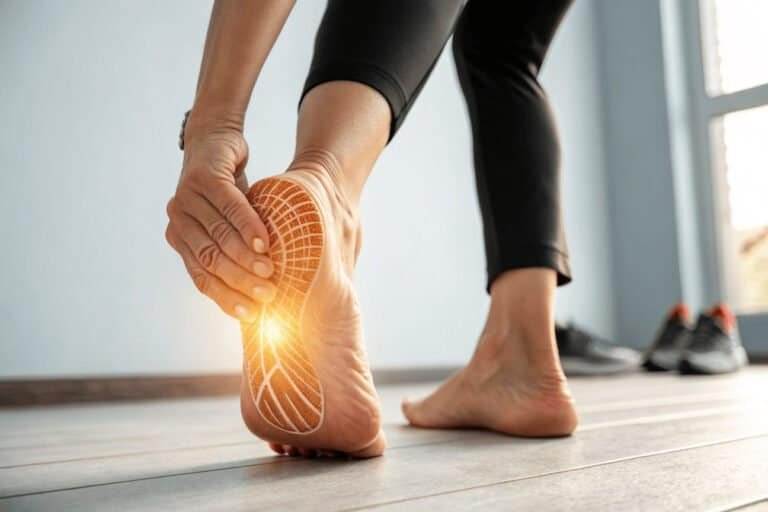
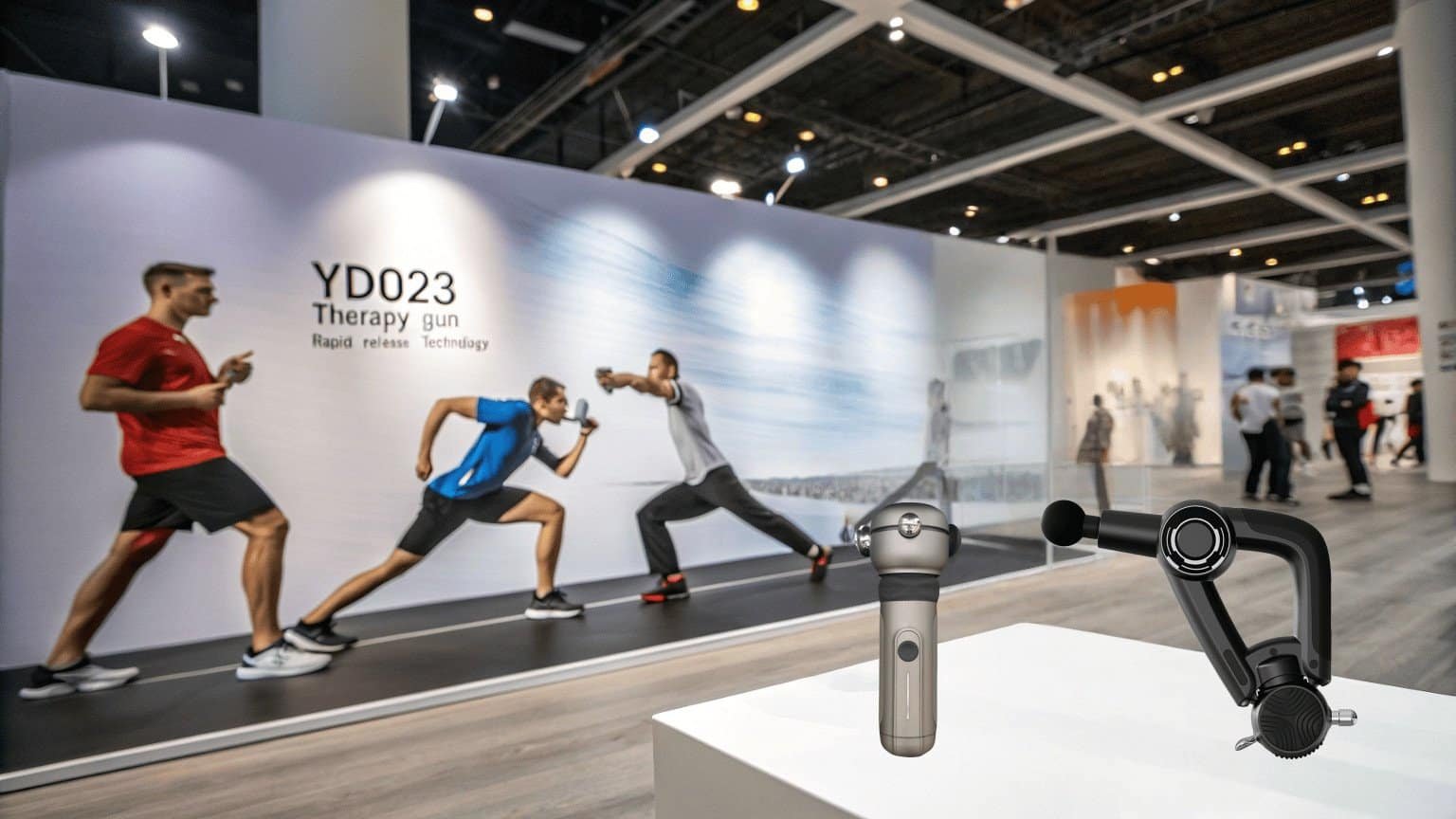
When you feel discomfort after physiotherapy, it’s often a sign your body is responding and beginning to heal. This can manifest as mild muscle soreness or fatigue, similar to how you might feel after a good workout. These ‘healing responses’ are temporary and indicate that your muscles and tissues are adapting to new movements and strengthening. It’s vital to differentiate this from genuine pain that signals injury. Tools and education can help you understand these signals better. For example, a multi-functional massage gun with both a release gun and a deep massage function can help soothe an aggravated muscle group gently.
| Sensation/Feeling | Possible Cause | What to Expect | How to Manage |
|---|---|---|---|
| Muscle Soreness | New or intensified exercise, muscle repair | Mild to moderate ache, lasting 24-72 hours | Gentle stretching, hydration, light activity, foam rolling/massage |
| Temporary Fatigue | Increased exertion during therapy | Feeling tired or lethargic for a short period | Rest, adequate nutrition, pacing yourself |
| Slight Discomfort | Deep tissue work, joint mobilization | Localized, manageable ache at the treated area | Communicate with your therapist, use of heat/cold packs as advised |
| Feeling "Jittery" | Overly strong vibration on sensitive areas | Mild dizziness or overstimulation | Adjust the intensity or head of the device, use a softer touch |
| Sudden Pain Relief | Effective muscle release or joint adjustment | Immediate reduction in pain or tension | This is a positive sign of effective treatment |
Understanding the Source of Discomfort: Tailored Solutions
When physiotherapy seems to make you feel worse, it’s often not the therapy itself, but how it’s applied. If a treatment plan is too aggressive for your current condition, or if the technique isn’t quite right for your specific issue, discomfort can increase. For chronic issues like muscle strain, one session might not be enough, and your body needs time and repeated, consistent effort to recover. This is where personalized approaches and the right tools become critical. A device like the Multi-Functional Massage Gun, with its dual-action design, allows for both broad muscle relaxation and precise release in sensitive areas like the knees or neck, adapting better to different needs and reducing the chance of over-aggravating a spot.
| Factor Affecting Discomfort | Issue | Potential Solution |
|---|---|---|
| Treatment Intensity | Therapy is too aggressive for the tissue | Adjust intensity, frequency, or duration; focus on gentler techniques |
| Specific Technique | Incorrect form or targeting of a sensitive area | Ensure therapist uses proper technique; use devices designed for specific body parts |
| Chronic Conditions | Insufficient treatment duration or frequency | Consistent, regular therapy sessions; complementary home-care tools |
| Individual Response | Unique tissue sensitivity or recovery speed | Personalized therapy plan based on individual assessment and feedback |
| Psychological Factors | High expectations, fear of pain | Education on healing, setting realistic goals, positive reinforcement |
A Spectrum of Therapeutic Approaches in Physiotherapy
Physiotherapy is a rich field, offering a variety of techniques rather than a single method. Manual therapy, for instance, involves hands-on techniques like joint mobilization and soft-tissue release to reduce pain and improve movement. Movement therapy, or therapeutic exercise, is fundamental, encompassing stretching for flexibility, strengthening exercises for muscle support, and balance training. Physical modalities, such as heat, cold, ultrasound, or electrical stimulation, can also be used to manage pain and promote healing. These are often combined into a comprehensive, individualized treatment plan.
| Therapy Type | Description | Purpose |
|---|---|---|
| Manual Therapy | Hands-on techniques like massage, joint mobilization, stretching | Reduce pain, improve joint mobility, release muscle tension |
| Therapeutic Exercise | Tailored exercises for strength, flexibility, balance, and coordination | Restore muscle function, improve range of motion, enhance stability |
| Physical Modalities | Use of heat, cold, ultrasound, electrical stimulation | Reduce inflammation, pain relief, promote tissue healing |
| Neuromuscular Re-ed | Techniques focusing on muscle activation and coordination | Improve movement patterns, body awareness, and motor control |
| Patient Education | Guidance on posture, ergonomics, activity modification, self-management | Empower patients, prevent re-injury, promote long-term health |
The Synergy of Science, Art, and Technology in Therapy
The practice of physiotherapy is a blend of scientific knowledge and clinical skill. Therapists rely on anatomy, physiology, and biomechanics to understand how the body works and how it’s affected by injury. This knowledge is then applied through years of practice, allowing therapists to develop a keen sense of touch and an ability to adapt treatments based on their observations. The future of physiotherapy increasingly involves technology, such as smart devices that provide data-driven feedback or virtual reality systems for engaging rehabilitation, enhancing the therapist’s capabilities and improving patient outcomes.
| Aspect of Therapy | Description | Future Integration |
|---|---|---|
| Scientific Basis | Understanding of anatomy, physiology, biomechanics, and pathology | Evidence-based practice, research-informed protocols |
| Clinical Skill | Manual assessment, palpation, application of techniques, patient communication | Advanced diagnostic tools, AI-assisted assessment, virtual patient simulation |
| Artistic Application | Individualized treatment planning, intuitive touch, adaptive adjustments | Personalized AI-driven therapy adjustments, biofeedback-guided movement |
| Technological Aid | Therapeutic equipment (massage guns, resistance bands), diagnostic imaging | Wearable sensors for real-time monitoring, VR for immersive rehabilitation |
| Human-Tech Synergy | Therapist using technology to enhance diagnosis and treatment delivery | Collaborative platforms connecting therapists, patients, and data analytics |
Why do patients go to physical therapy?
Are you wondering why so many people turn to physiotherapy? It’s about more than just fixing a problem; it’s about rediscovering life.
People seek physiotherapy not just to eliminate pain, but fundamentally to regain lost function and improve their overall quality of life. This means being able to participate fully in activities they love, from playing with children to returning to their careers or hobbies.
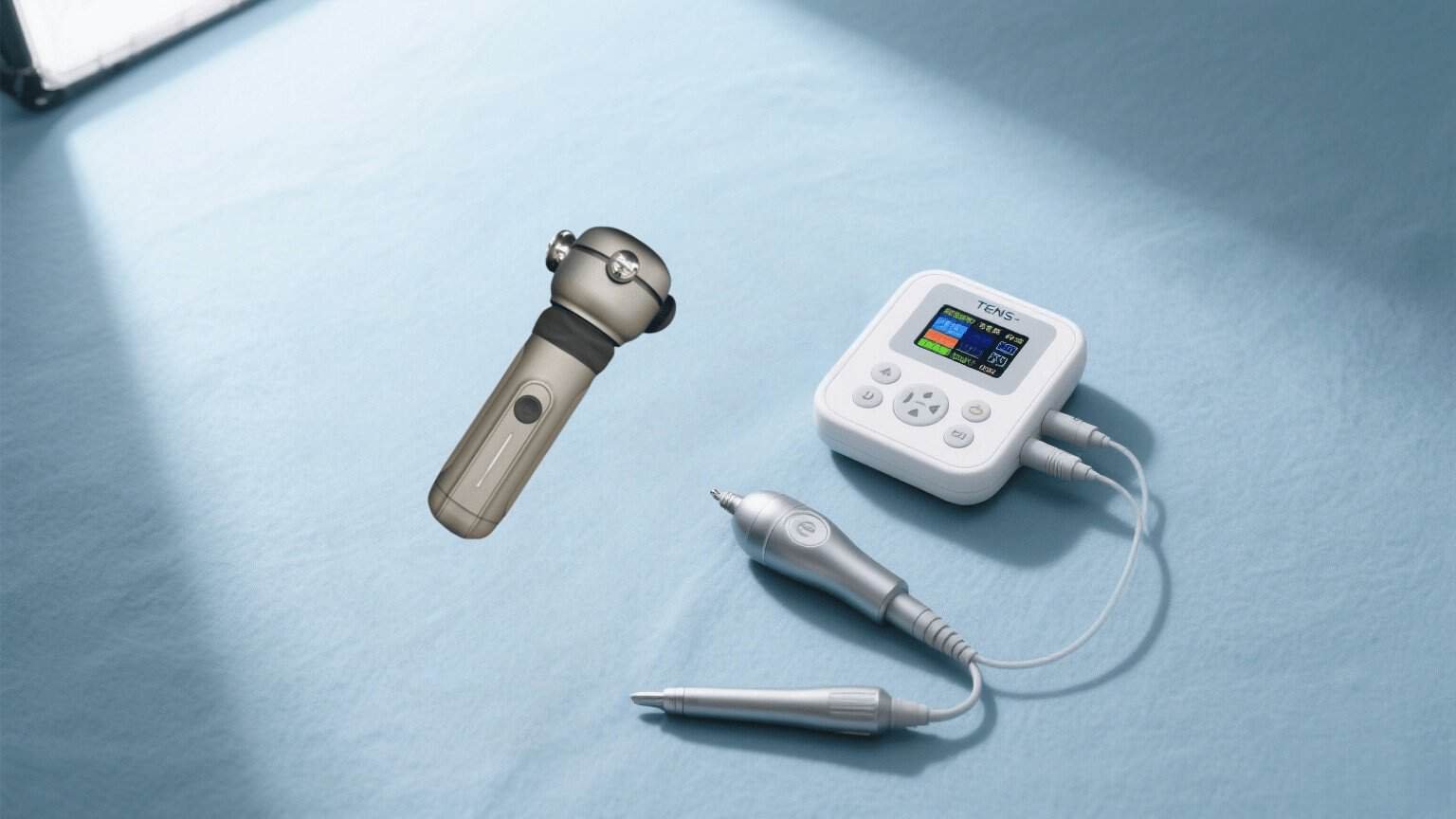
In my line of work, I’ve seen firsthand that the goal of physiotherapy is deeply personal. It’s about helping someone move from a state of limitation to one of freedom. Whether it’s using a device to help regain strength after an injury or simply providing education on how to manage a chronic condition, the ultimate aim is empowering individuals to reclaim control over their lives and daily activities.
Does physical therapy affect my mental health?
It’s understandable to think about how physical treatments might impact your mood and overall well-being.
Physical therapy significantly impacts mental health by addressing pain and improving functional ability5, which can reduce anxiety and depression. As your physical strength and stamina increase, so does your sense of confidence and overall mood, contributing to a positive cycle of recovery.
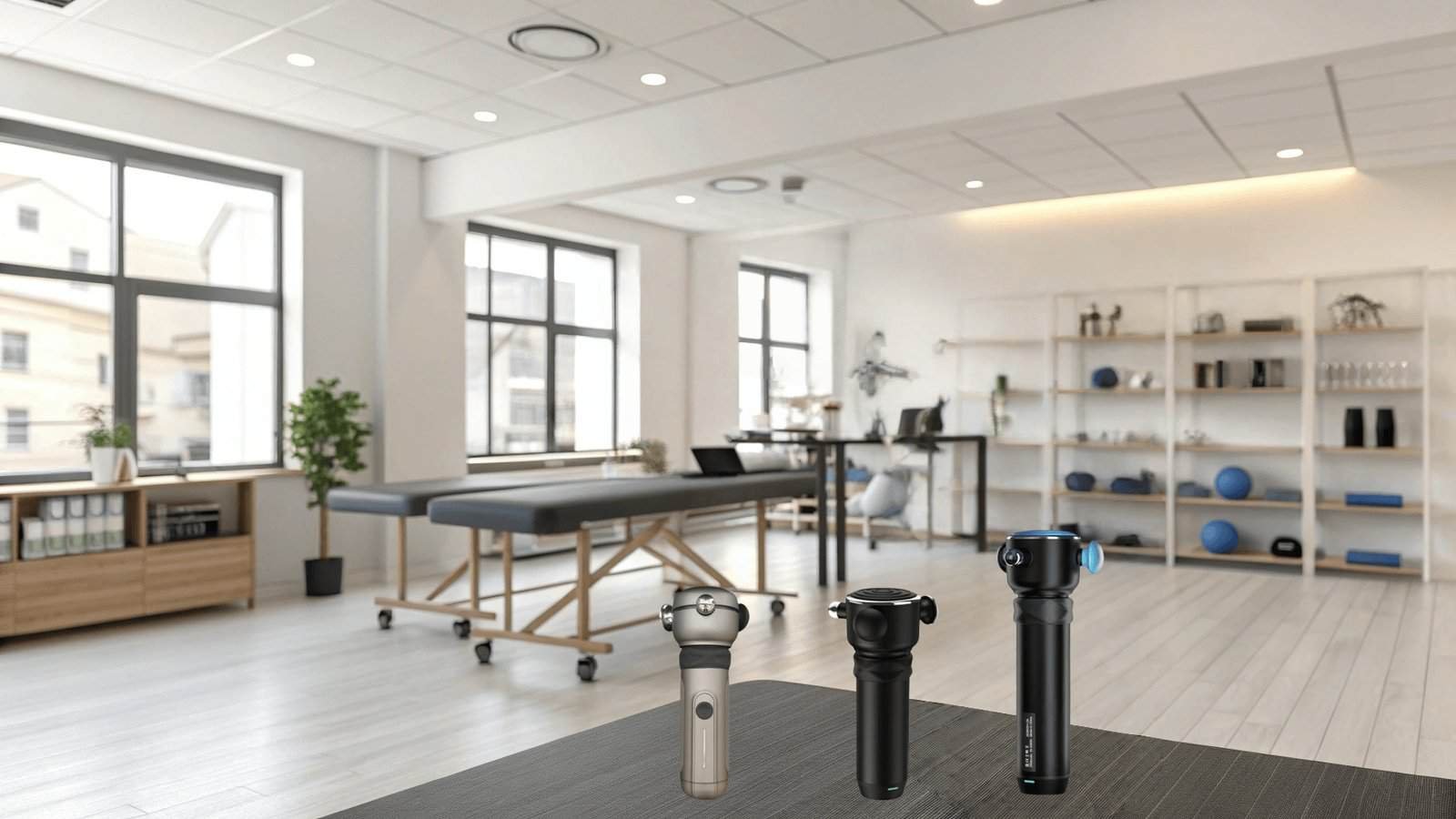
The connection between physical health and mental well-being is undeniable. When you’re in pain or can’t move easily, it naturally affects your mood. Conversely, as physiotherapy helps you achieve your recovery goals and regain your independence, you often feel a sense of accomplishment and empowerment. This mental boost is a vital part of the healing process.
The Body-Mind Connection in Recovery
Chronic pain and physical limitations can take a significant toll on mental health, often leading to increased stress, anxiety, or feelings of helplessness. Conversely, the process of physiotherapy itself can be a powerful mental uplift. As patients begin to experience reduced pain, improved movement, and a greater ability to perform daily tasks, their confidence soars. This sense of regaining control over their bodies directly combats feelings of depression and anxiety, fostering a more positive outlook. This positive feedback loop enhances the overall recovery experience.
| Physical Improvement | Associated Mental/Emotional Benefit | How it’s Achieved |
|---|---|---|
| Reduced Pain Levels | Less stress, improved mood, better sleep | Targeted therapies, pain management techniques6 |
| Increased Mobility | Greater independence, participation in life | Exercise programs, stretching, balance training7 |
| Improved Strength | Enhanced self-efficacy, confidence | Resistance training, functional movements |
| Regained Functionality | Sense of empowerment, control over body | Task-specific training, adaptive strategies8 |
| Achieving Goals | Increased motivation, positive outlook | Setting and meeting milestones, progression tracking |
What is physical therapy like? And what can I expect?
Thinking about starting physiotherapy and wondering what the experience will be like? It’s a personal journey.
Physiotherapy is a highly personalized process, tailored to your unique condition and goals, and it involves a collaborative partnership between you and your therapist. Expect an initial assessment, followed by a customized treatment plan that evolves as you progress.

My experience in the rehabilitation equipment industry has taught me that "one size fits all" rarely works best. Just as different exercises suit different muscle groups, physiotherapy treatments are customized. A good plan feels like a custom-tailored suit – designed specifically for you. Expect a journey that adapts as you heal, guided by expert knowledge and supported by the right tools wherever possible.
Conclusion
Physiotherapy offers tailored, evidence-based treatments often combined with technology. Expect a collaborative journey focused on your recovery and well-being.
-
Understanding healing responses can help you differentiate between normal discomfort and potential injury. ↩
-
Explore how manual therapy techniques can effectively reduce pain and improve mobility. ↩
-
Learn about therapeutic exercises that can restore muscle function and enhance stability. ↩
-
Discover various physical modalities that can aid in pain relief and promote healing. ↩
-
Discover how physiotherapy enhances functional ability and quality of life. ↩
-
Discover various pain management techniques that can enhance your comfort during recovery. ↩
-
Learn about the importance of balance training for injury prevention and rehabilitation. ↩
-
Explore adaptive strategies that can help you regain functionality and independence. ↩