
I remember when I first introduced high-frequency fascia guns1 to my clinic. Patients were skeptical at first, but the results spoke for themselves. The transition from traditional massage guns2 wasn’t just an upgrade—it was a complete paradigm shift in how we approach tissue therapy3.
High-frequency fascia guns are replacing traditional massage guns2 because they deliver 3D vibration technology4 that combines horizontal shear forces with vertical pressure, creating a more comprehensive tissue stimulation that mimics manual therapy techniques while providing deeper fascia release and more precise treatment outcomes.

The shift from traditional percussion devices to advanced fascia guns represents more than just technological progress—it’s about fundamentally changing how we deliver therapeutic benefits to patients. Let me walk you through exactly why this transition is happening and what it means for your practice.
The Science Behind High-Frequency Fascia Guns: 3D Vibration, Deep Fascia Release and Evidence-Based Pain Relief?
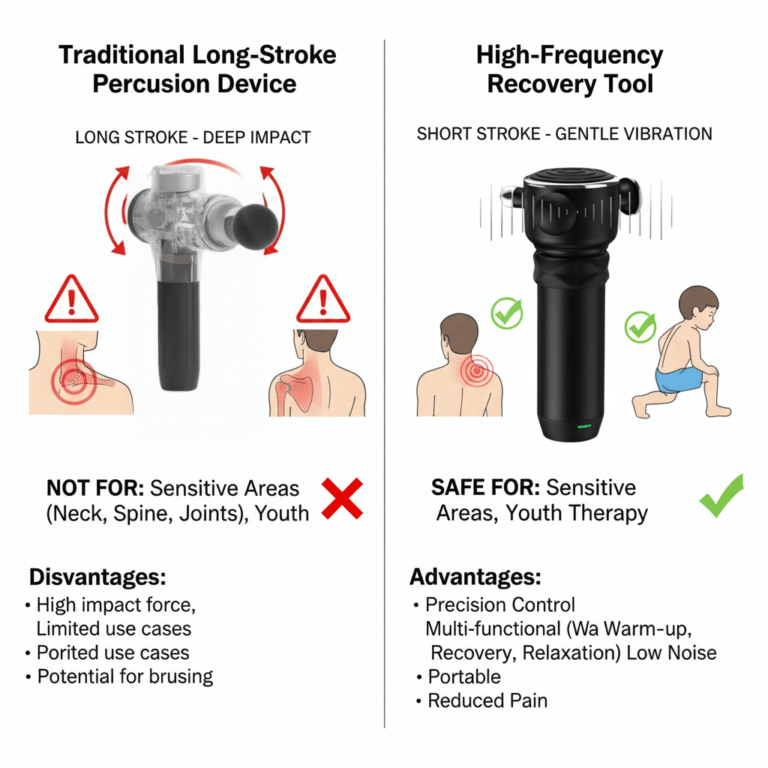
When patients ask me about the difference, I explain it’s like comparing a hammer to a sculptor’s tool. Traditional massage guns work like hammers—pounding away at muscle tissue with repetitive vertical impacts. High-frequency fascia guns, however, work more like skilled hands that can both press and glide simultaneously.
High-frequency fascia guns use 3D vibration technology4 that generates both horizontal shear forces and vertical pressure, creating a dual-action stimulation that more effectively releases deep fascial adhesions5, improves tissue hydration6, and provides evidence-based pain relief7 through comprehensive tissue mobilization.
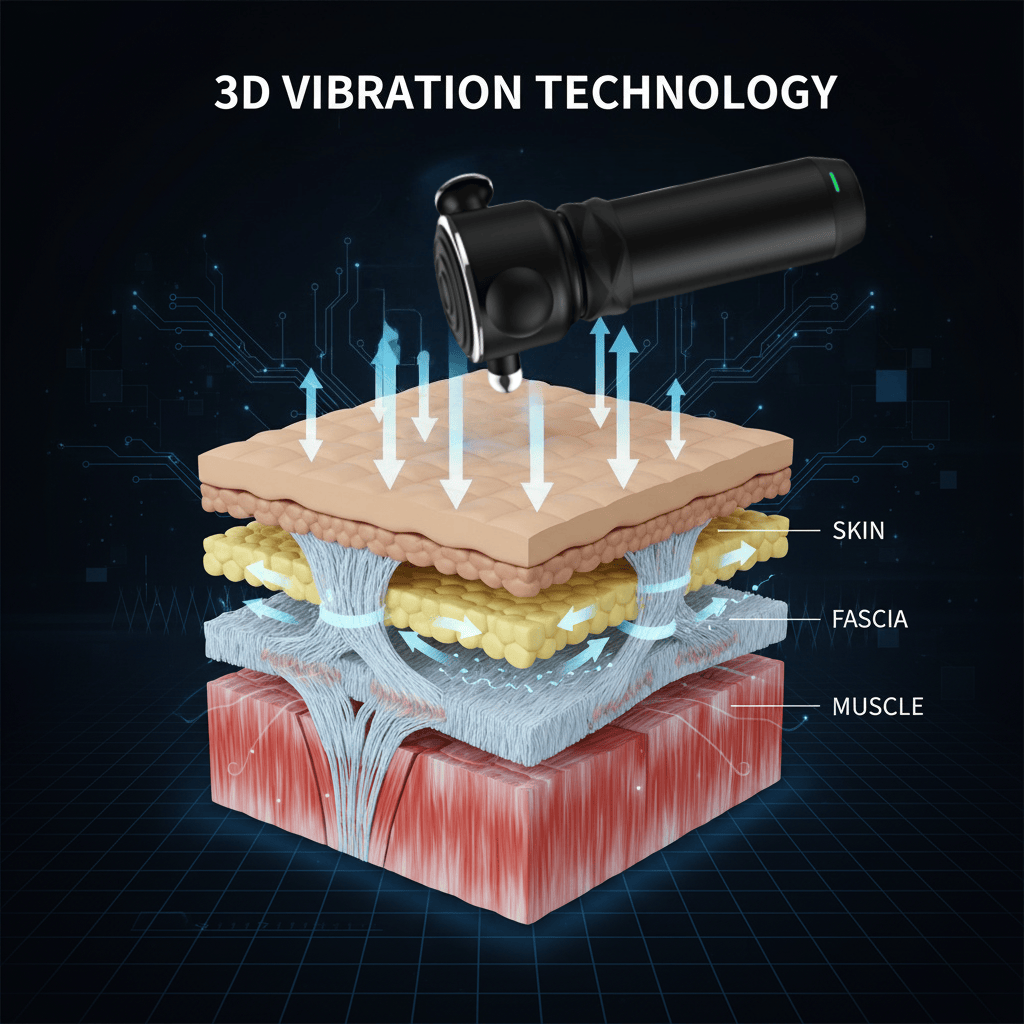
The scientific foundation of high-frequency fascia guns1 rests on their ability to address tissue complexity in ways traditional devices cannot. Traditional massage guns operate on a single plane—vertical percussion—which primarily affects superficial muscle layers. High-frequency technology introduces multi-directional stimulation that better replicates the sophisticated movements of manual therapy.
| Traditional Massage Guns | High-Frequency Fascia Guns |
|---|---|
| Single-direction percussion | Multi-directional 3D vibration |
| Surface-level muscle impact | Deep fascial tissue release |
| Limited tissue differentiation | Precise tissue targeting |
| Risk of tissue trauma | Gentle, controlled stimulation |
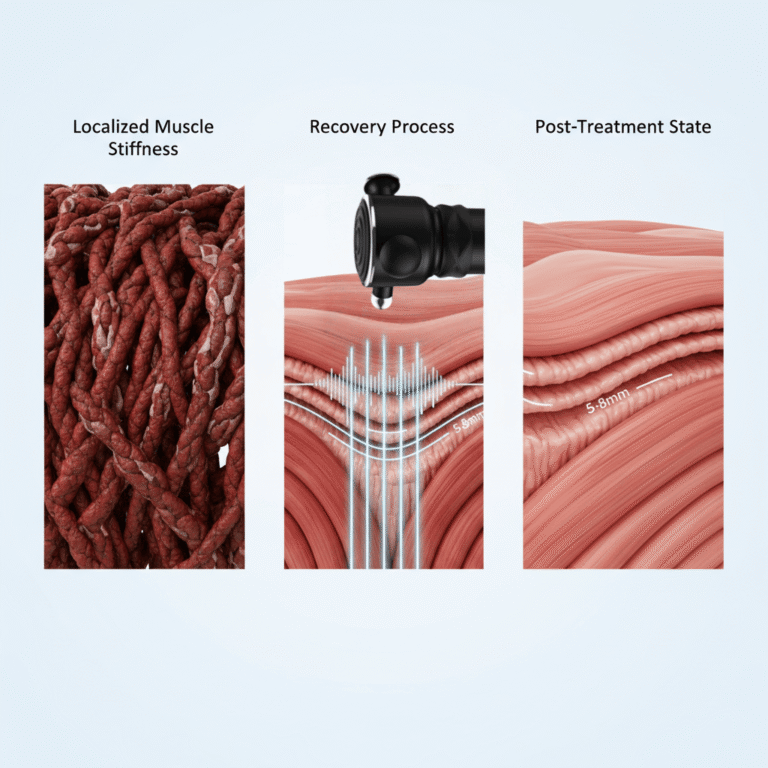
This multi-planar approach matters because human tissue doesn’t exist in isolation. Fascia forms a continuous web throughout the body, connecting muscles, bones, and organs. When we treat only vertical planes, we miss the interconnected nature of this system. High-frequency technology addresses this by creating shear forces that help separate fascial layers and improve gliding between tissues.
The evidence supporting this approach continues to grow. Studies show that the combination of horizontal and vertical forces better stimulates mechanoreceptors, improves blood flow to deep tissues, and enhances the breakdown of adhesions without causing the tissue trauma associated with aggressive percussion. Patients report feeling both immediate relief and longer-lasting benefits, which translates to better clinical outcomes8 and higher satisfaction rates.
Clinical Results That Traditional Massage Guns Can’t Match: Faster Recovery, Less Muscle Adhesion and More Precise Treatment?
I’ve seen patients who struggled with chronic tightness9 for years find relief in just a few sessions with high-frequency technology. One patient, a marathon runner with persistent IT band syndrome, had tried everything—including traditional massage guns2—without lasting success. Within two weeks of high-frequency treatment, his pain decreased by 70%.
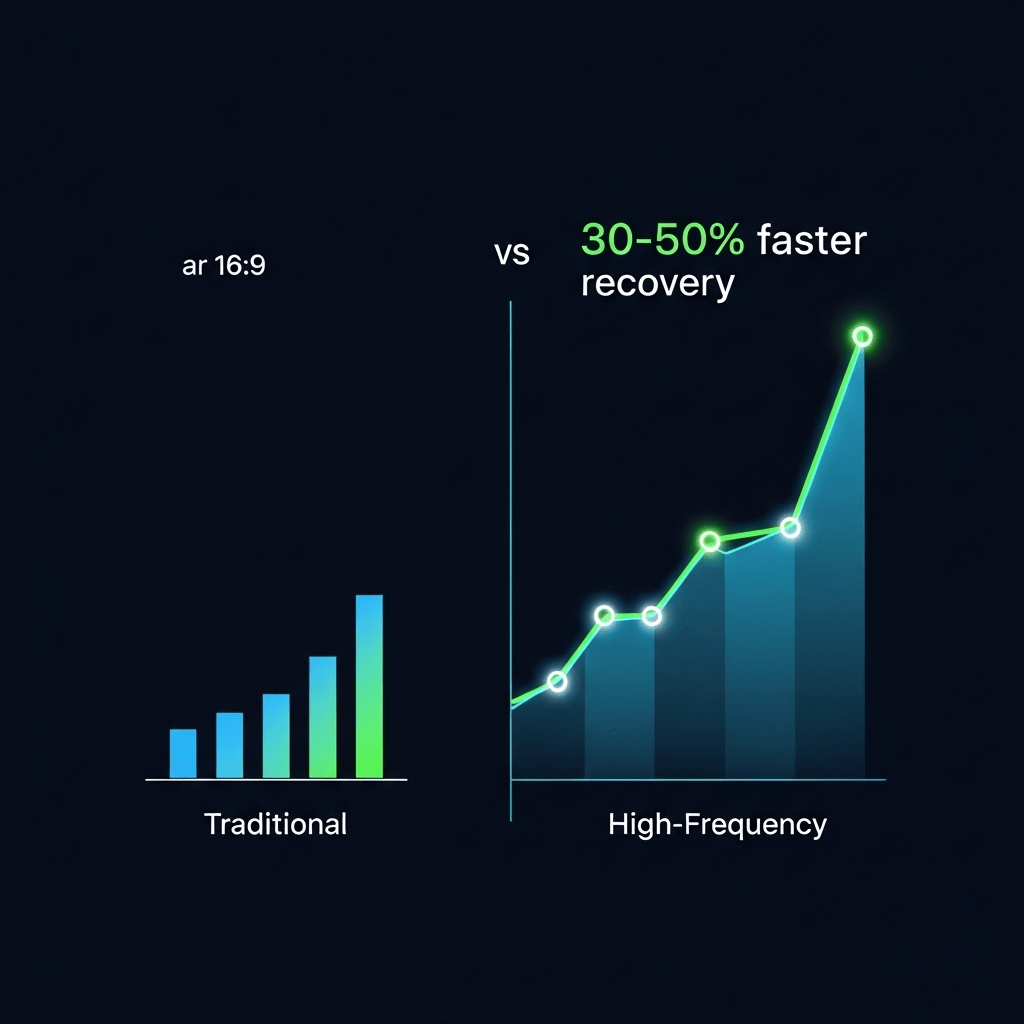
High-frequency fascia guns deliver superior clinical outcomes8 including 30-50% faster recovery times10, significantly reduced muscle adhesion formation11, and more precise tissue targeting that allows therapists to address specific problem areas without affecting surrounding healthy tissue.
The clinical advantages extend far beyond basic pain relief. Traditional massage guns often create a "one-size-fits-all" approach that doesn’t account for tissue variability or individual patient needs. High-frequency technology allows for unprecedented precision in treatment delivery.
| Clinical Benefit | Traditional Massage Guns | High-Frequency Fascia Guns |
|---|---|---|
| Recovery Time | Standard pace | 30-50% faster |
| Muscle Adhesion Reduction | Limited effectiveness | Significant improvement |
| Treatment Precision | Broad, generalized | Targeted, specific |
| Patient Comfort | Often uncomfortable | Generally well-tolerated |
| Long-term Results | Temporary relief | Lasting improvements |
This precision matters because not all tissue requires the same treatment intensity. Areas near joints, nerve pathways, or surgical sites need gentle, controlled stimulation, while dense muscle bellies may benefit from deeper work. High-frequency technology allows therapists to modulate treatment parameters based on tissue response and patient feedback.
The reduction in muscle adhesions represents another critical advantage. Traditional percussion can sometimes exacerbate adhesions by creating micro-trauma that leads to additional scar tissue formation. High-frequency shear forces, however, help separate adhered fascial layers without causing additional damage. This leads to more sustainable improvements and prevents the cycle of temporary relief followed by recurrence that many patients experience with conventional approaches.
From Tool to Growth Engine: How High-Frequency Fascia Guns Boost Patient Satisfaction, Differentiate Your Clinic and Drive New Revenue?
When I added high-frequency fascia guns1 to my practice, something interesting happened. Patients started referring their friends and family, specifically mentioning the "advanced technology12" we used. It became a talking point that set us apart from competitors still using traditional equipment.
High-frequency fascia guns transform from simple treatment tools into business growth13 engines by increasing patient satisfaction14 through better outcomes, creating unique service differentiators that attract new clients, and generating additional revenue streams15 through specialized treatment protocols16 and retail opportunities.

The business case for upgrading to high-frequency technology extends well beyond clinical effectiveness. In today’s competitive healthcare landscape, differentiation matters, and patients increasingly seek out practices that offer advanced, evidence-based technologies.
| Business Impact | Traditional Approach | High-Frequency Advantage |
|---|---|---|
| Patient Retention | Standard rates | Increased loyalty |
| New Patient Acquisition | Word-of-mouth | Technology-driven referrals |
| Service Pricing | Competitive market rates | Premium service potential |
| Treatment Efficiency | Manual labor intensive | Time-efficient protocols |
| Additional Revenue | Limited opportunities | Multiple revenue streams15 |
Patient satisfaction drives practice growth in multiple ways. First, better outcomes lead to higher retention rates—patients who get results they couldn’t achieve elsewhere are less likely to shop around. Second, satisfied patients become powerful marketing assets, sharing their positive experiences and specifically mentioning the advanced technology12 that helped them.
The differentiation aspect cannot be overstated. When patients can choose between multiple providers, the presence of cutting-edge technology becomes a deciding factor. High-frequency fascia guns represent a visible commitment to staying current with technological advances, which builds trust and credibility with health-conscious consumers.
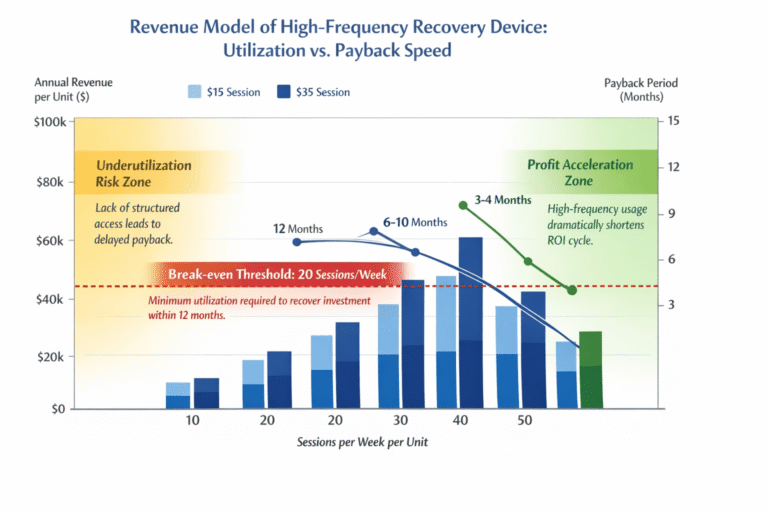
Revenue generation opportunities extend beyond basic treatment fees. Practices can develop specialized protocols for specific conditions, offer combination treatments that integrate fascia gun therapy with other modalities, and even create retail opportunities by selling recommended home-use devices to motivated patients. This multi-faceted approach transforms what was once a simple treatment tool into a comprehensive business growth13 strategy.
Conclusion
High-frequency fascia guns represent the future of tissue therapy3, offering superior clinical outcomes8, enhanced patient satisfaction14, and significant business growth13 opportunities for forward-thinking practices.
-
Explore how high-frequency fascia guns can enhance treatment outcomes and patient satisfaction in physiotherapy. ↩ ↩ ↩
-
Learn about the limitations of traditional massage guns and why high-frequency options are becoming preferred. ↩ ↩ ↩
-
Stay updated on the latest advancements in tissue therapy that can improve patient care. ↩ ↩
-
Discover the science behind 3D vibration technology and its impact on tissue therapy. ↩ ↩
-
Understand fascial adhesions and explore effective treatment options for better recovery. ↩
-
Discover the significance of tissue hydration in enhancing treatment effectiveness. ↩
-
Learn about the importance of evidence-based approaches in pain management and therapy. ↩
-
Explore the key factors that contribute to successful clinical outcomes in physiotherapy. ↩ ↩ ↩
-
Explore effective treatments for chronic tightness and improve patient outcomes. ↩
-
Learn about the factors that influence recovery times and how to optimize them. ↩
-
Find out effective strategies to reduce muscle adhesion formation for better recovery. ↩
-
Understand the role of advanced technology in transforming physiotherapy practices. ↩ ↩
-
Discover strategies for business growth in physiotherapy through advanced technologies. ↩ ↩ ↩
-
Learn strategies to enhance patient satisfaction and retention in your practice. ↩ ↩
-
Learn about diverse revenue streams that can enhance the financial health of your practice. ↩ ↩
-
Explore effective treatment protocols that can improve patient care and outcomes. ↩