Dealing with heel pain when you walk? It can really stop you in your tracks.
It’s frustrating when heel pain interrupts your daily activities. The good news is that understanding the cause and exploring effective solutions can bring you relief.
This is a common problem many people face. It makes simple tasks like walking feel like a challenge.
What are ways to minimize pain in the heel?
When your heel hurts, you want quick relief. There are several things you can do to reduce the pain.
Simple steps can make a big difference in managing heel pain. Focusing on rest, proper footwear, and gentle stretches can help you feel better.
It’s tough when you can’t just push through the pain. You need practical ways to address it.
Understanding Common Causes of Heel Pain
Heels can hurt for various reasons. Muscle strains, joint sprains, and ligament damage are common injuries. Chronic overuse can also lead to persistent pain. For instance, I once experienced intense heel pain1 after a long hike. I learned that skipping warm-ups and wearing unsupportive shoes made it much worse. It wasn’t just a minor ache; it was a sharp pain that made every step difficult. I had to rest for a few days and really think about what went wrong. This experience highlighted how crucial proper preparation and gear are, especially when engaging in activities that put stress on your feet.
Here’s a breakdown of common culprits:
| Cause | Description |
|---|---|
| Plantar Fasciitis2 | Inflammation of the tissue band on the sole. |
| Heel Spurs | Bony growths on the heel bone. |
| Achilles Tendinitis | Inflammation of the tendon connecting calf to heel. |
| Stress Fractures | Tiny cracks in the heel bone from overuse. |
| Bursitis | Inflammation of the fluid-filled sac near the heel. |
Practical Steps for Pain Relief
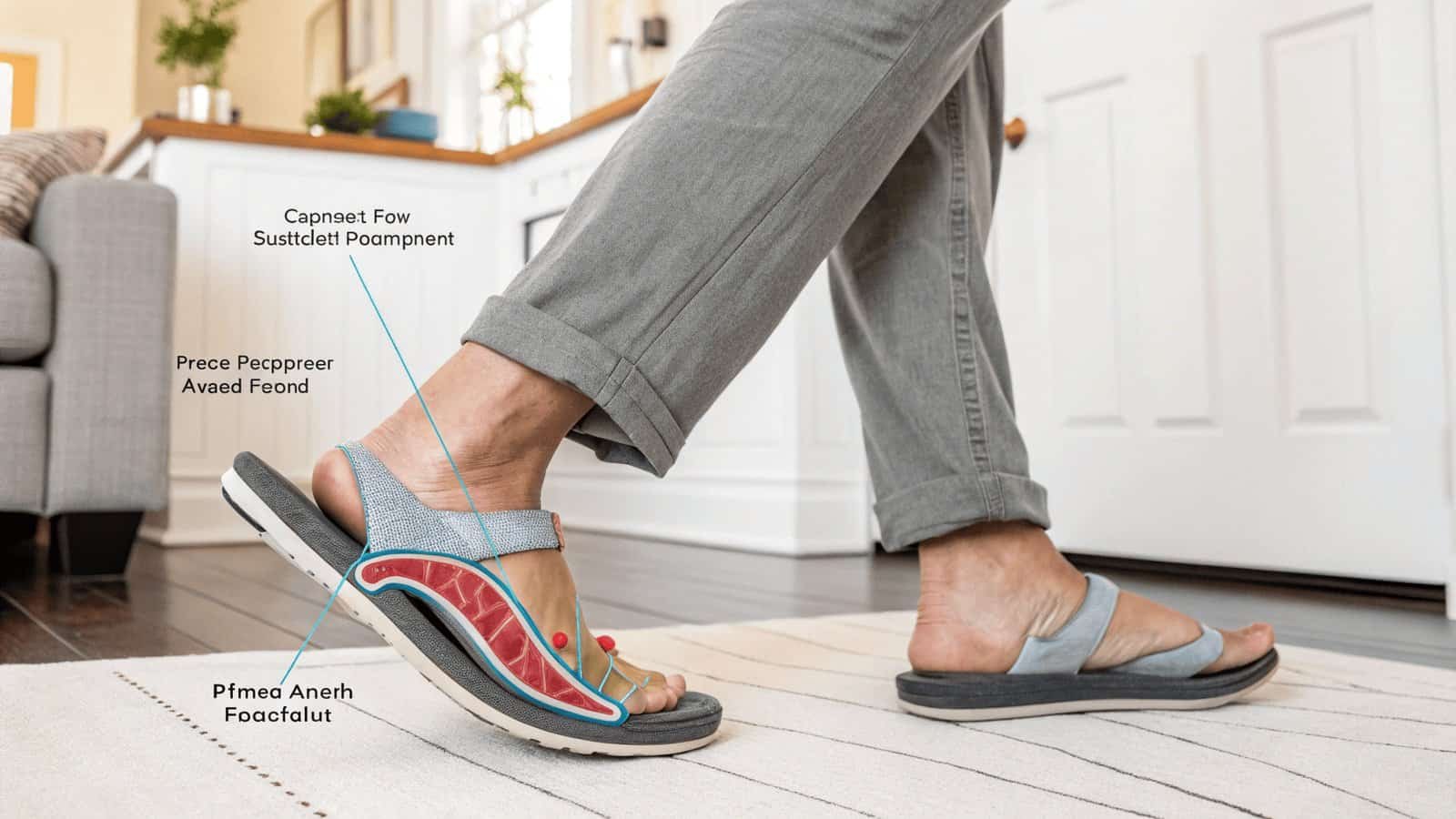
Minimizing heel pain often involves a multi-pronged approach. Rest is key; avoid activities that aggravate the pain. Applying ice can help reduce inflammation. Supportive shoes or orthotic inserts are also very helpful. Sometimes, a simple change in footwear can prevent further irritation. I found that switching to shoes with better arch support made a world of difference for me. It wasn’t just about cushioning; it was about distributing pressure more evenly.
When to Seek Professional Help
While many heel pain issues can be managed at home, persistent or severe pain warrants professional attention. A physical therapist3 can diagnose the exact cause and create a tailored treatment plan. They can also guide you on exercises and techniques to speed up recovery. Waiting too long can complicate the healing process, so don’t hesitate to consult a specialist if the pain doesn’t improve.
What exercises are good for plantar fasciitis?
Plantar fasciitis can be really uncomfortable. Certain exercises can help ease the pain and improve flexibility.
Regularly performing specific stretches and exercises can significantly reduce the symptoms of plantar fasciitis. Targeted movements help lengthen the plantar fascia and strengthen supporting muscles.

It’s common to feel like you can’t escape the discomfort. But the right movements can be your allies.
Stretching for the Plantar Fascia
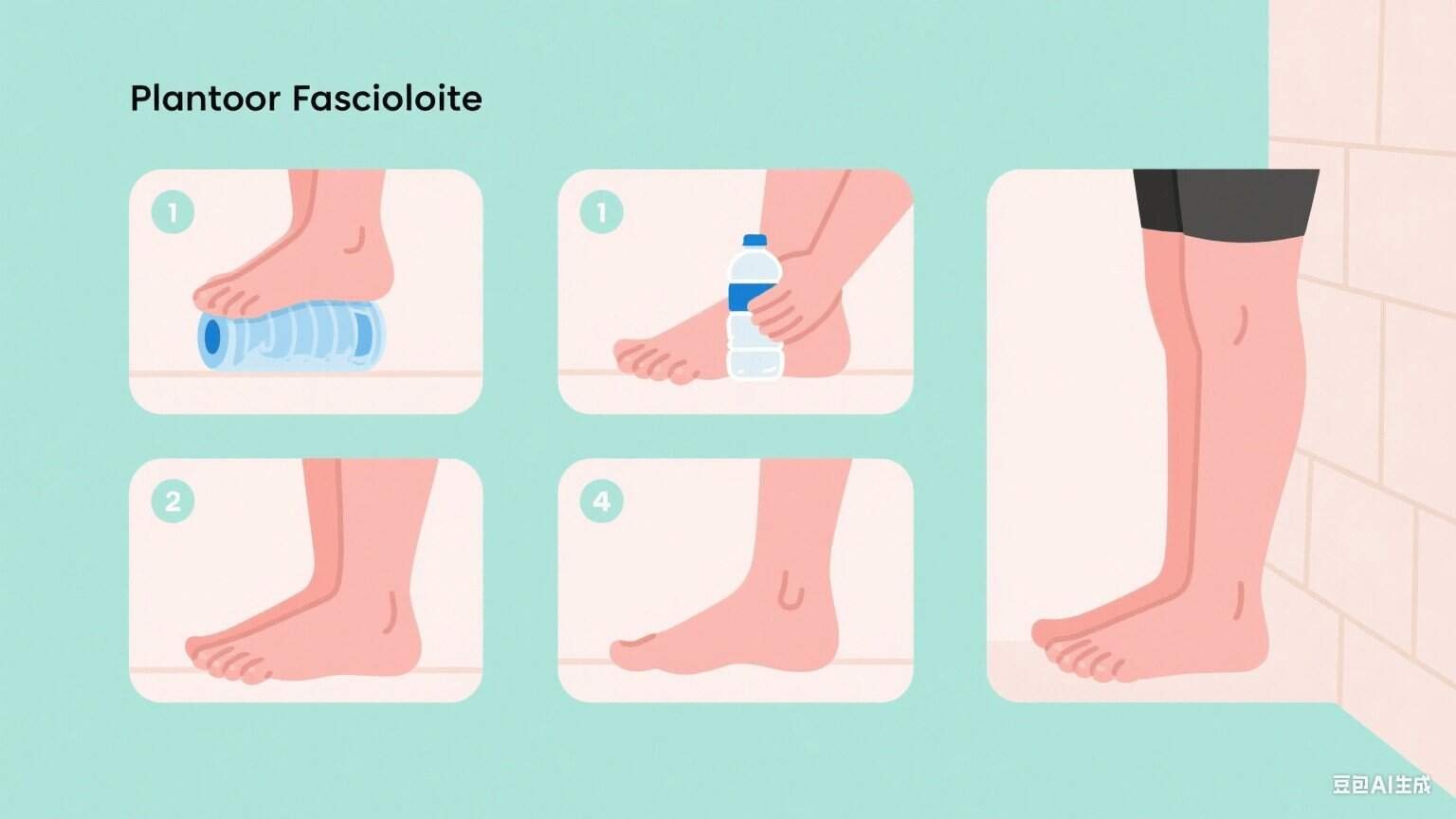
Stretching is crucial for easing plantar fasciitis. One effective stretch involves pulling your toes towards your shin. Hold this for about 30 seconds and repeat a few times. Another good one is rolling your foot over a can or a ball. This helps massage the tissue. I started doing these daily, and I noticed a reduction in stiffness quite quickly; it felt like I was giving my foot a much-needed release after a long day.
Here are some effective stretches:
| Exercise | How to Do It | Frequency |
|---|---|---|
| Toe Touches | Sit with legs straight, pull toes towards shin until stretch is felt. | 3-5 times per foot, several times a day |
| Foot Rolling | Roll foot over a frozen water bottle or tennis ball, applying gentle pressure. | 5-10 minutes, 2-3 times a day |
| Calf Stretch (Gastroc) | Stand facing a wall, place hands on wall, step back with affected leg straight. | Hold 30 secs, repeat 3 times per leg |
| Calf Stretch (Soleus) | Stand facing a wall, place hands on wall, step back with affected leg bent at knee. | Hold 30 secs, repeat 3 times per leg |
Strengthening Exercises
Beyond stretching, strengthening your foot and calf muscles is important. Toe curls, where you try to pick up a towel with your toes, can help. Calf raises also strengthen the calf muscles, which support the foot. Doing these consistently can build resilience and prevent future flare-ups. It’s about creating a stronger foundation for your feet.
The Role of Massage Tools
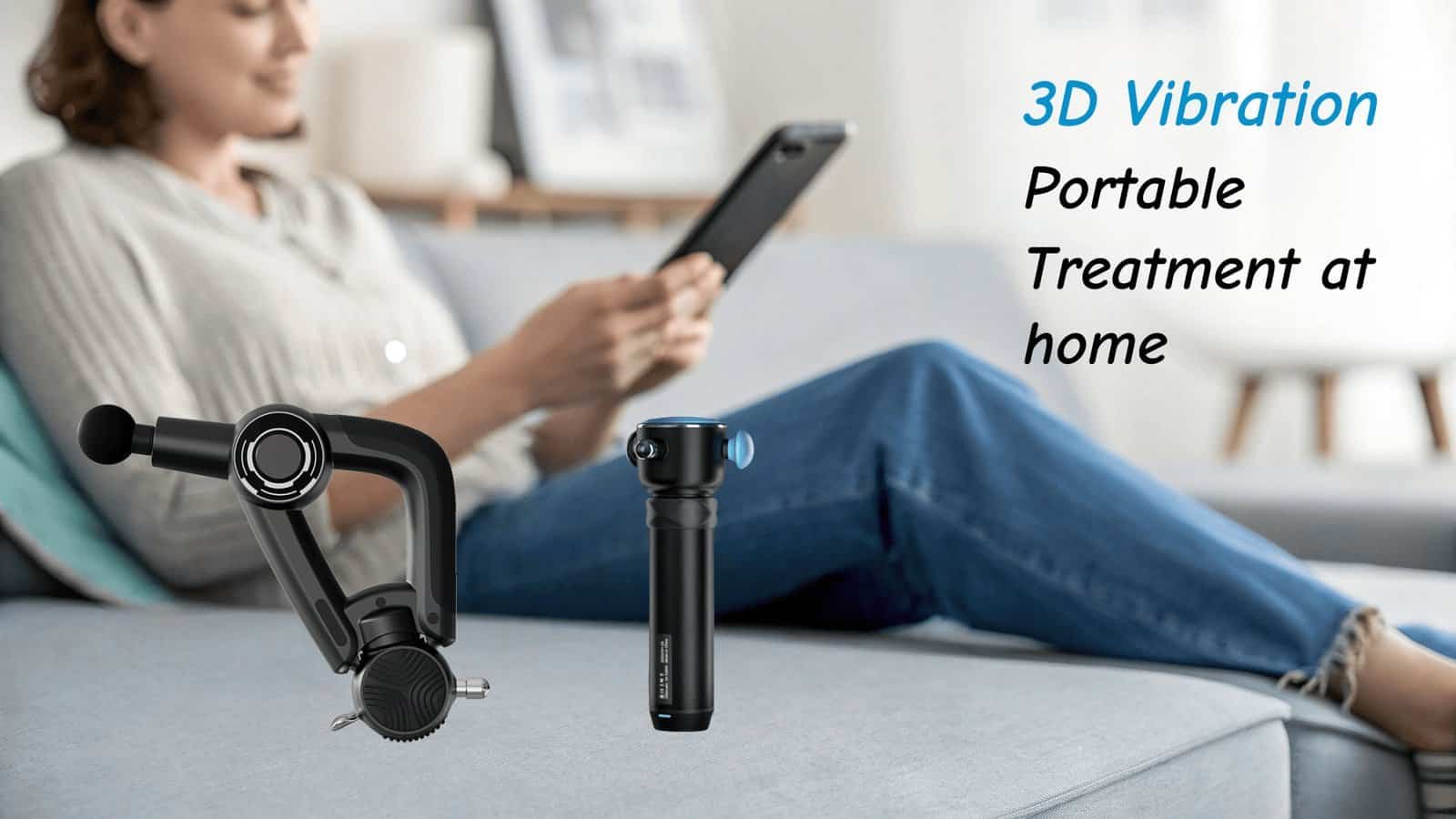
For chronic issues like overuse strain, small portable massage tools can be very effective. These devices can help release muscle adhesions and alleviate tension. A device like the Multi-Functional Massage Gun offers a unique dual approach. One end acts as a release gun, ideal for precise work on areas like the neck or ankles without significant recoil. The other end is a powerful massage gun with a 16mm stroke, similar to professional models like Theragun, making it great for larger muscle groups. I found this particularly useful because it could target specific tight spots, like around my shoulder blades, providing almost immediate relief. The ability to use it on sensitive areas like the knee or neck without jarring was a huge benefit.
How painful is plantar fasciitis?
The pain from plantar fasciitis can vary greatly. Some people describe it as a sharp, stabbing sensation, while others feel a dull ache.
The intensity of plantar fasciitis pain is often most severe with the first steps in the morning or after a period of rest. This initial discomfort typically lessens as you start moving, but can return with prolonged activity.
It’s not just a minor inconvenience; it can significantly impact your quality of life.
Describing the Pain Experience
The pain typically strikes first thing in the morning. Those initial steps out of bed can feel like stepping on glass. For me, it was like a sudden, sharp jab with every footfall. After a few minutes of walking, the pain might subside slightly, which can be misleading. But then, after standing or walking for a while, or especially after sitting for a long time, it can come back with a vengeance. It’s this unpredictable nature of the pain that can be so frustrating. It makes planning your day difficult because you never know when the next wave of discomfort will hit.
Factors Influencing Pain Severity
Several factors can influence how painful plantar fasciitis is. Standing for long periods, wearing unsupportive footwear, and high-impact activities can all exacerbate the pain. Even your weight can play a role, as it increases the load on your plantar fascia. My own experience with heel pain taught me that even small things, like walking barefoot on hard surfaces, could trigger a flare-up. It took a conscious effort to manage these elements and reduce the overall stress on my feet.
Severity and Treatment Timeframes
The severity of plantar fasciitis can influence how long it takes to recover. Mild cases might improve within a few weeks with consistent home care. However, more severe or chronic cases can take several months to resolve. It’s important to be patient and diligent with your treatment plan. Sometimes, even with regular therapy, the improvement isn’t immediate. My own journey with it required several rounds of targeted treatments and lifestyle adjustments before I felt a significant, lasting difference. This reality underscores the importance of professional guidance and realistic expectations.
Conclusion
Heel pain can disrupt your life, but understanding its causes and embracing targeted exercises and tools can lead to significant relief.