Many people struggle to find convenient physical therapy options. Long wait times and high costs make traditional PT challenging. But new solutions are changing this frustrating situation.
Home physical therapy is now possible thanks to compact, powerful devices like therapy guns. These portable tools with rapid release technology1 deliver professional-grade treatment anywhere, anytime without therapist visits.
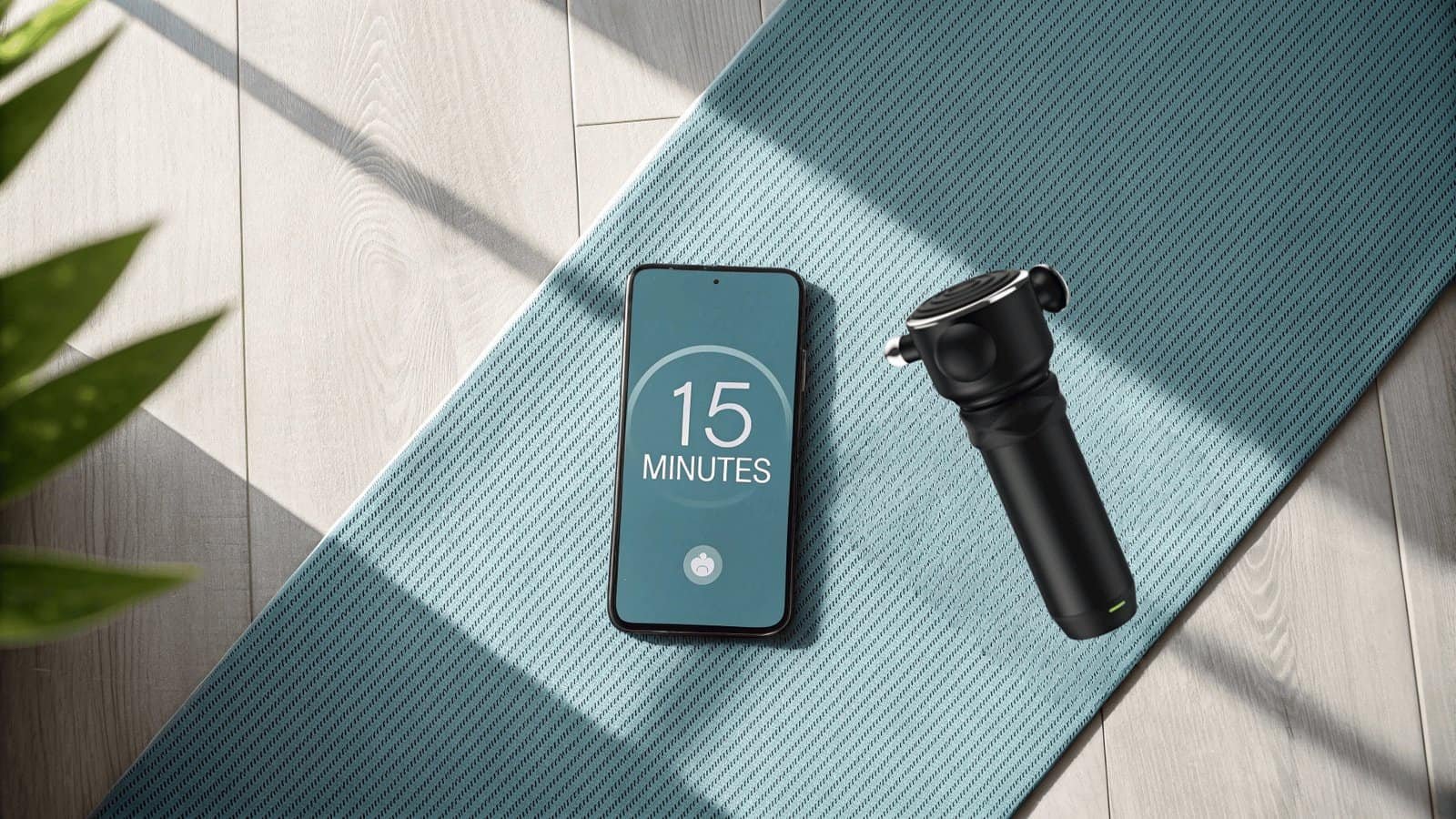
Therapy equipment has evolved dramatically. While large clinic machines dominated for decades, recent breakthroughs allow effective treatment in palm-sized devices. Let’s explore how home PT2 became accessible.
Is it possible to do physical therapy at home?
Traditional physical therapy required bulky equipment and specialist supervision. This made home treatment seem impossible until recent innovations changed everything.
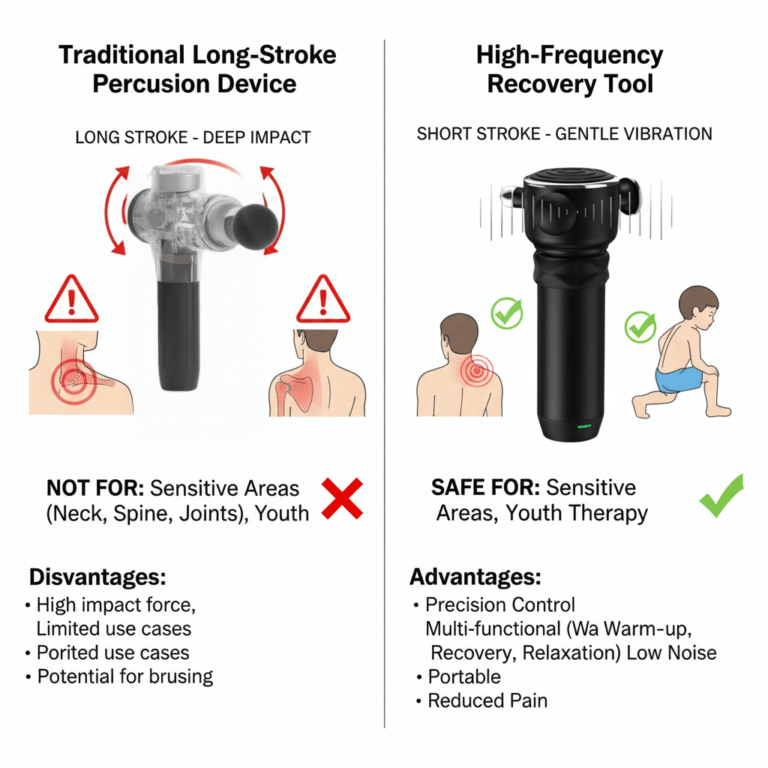
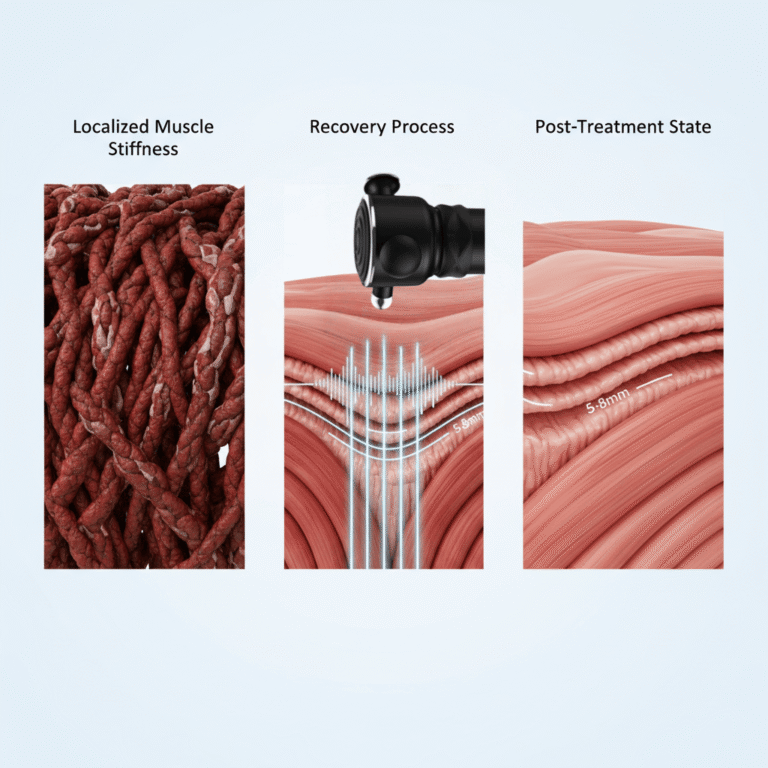
Modern therapy guns3 use 5000-7000+ RPM 3D vibrations4 (vertical+horizontal) at just 2mm amplitude. They penetrate 6-8mm beneath skin to effectively treat fascia layers, matching professional results.
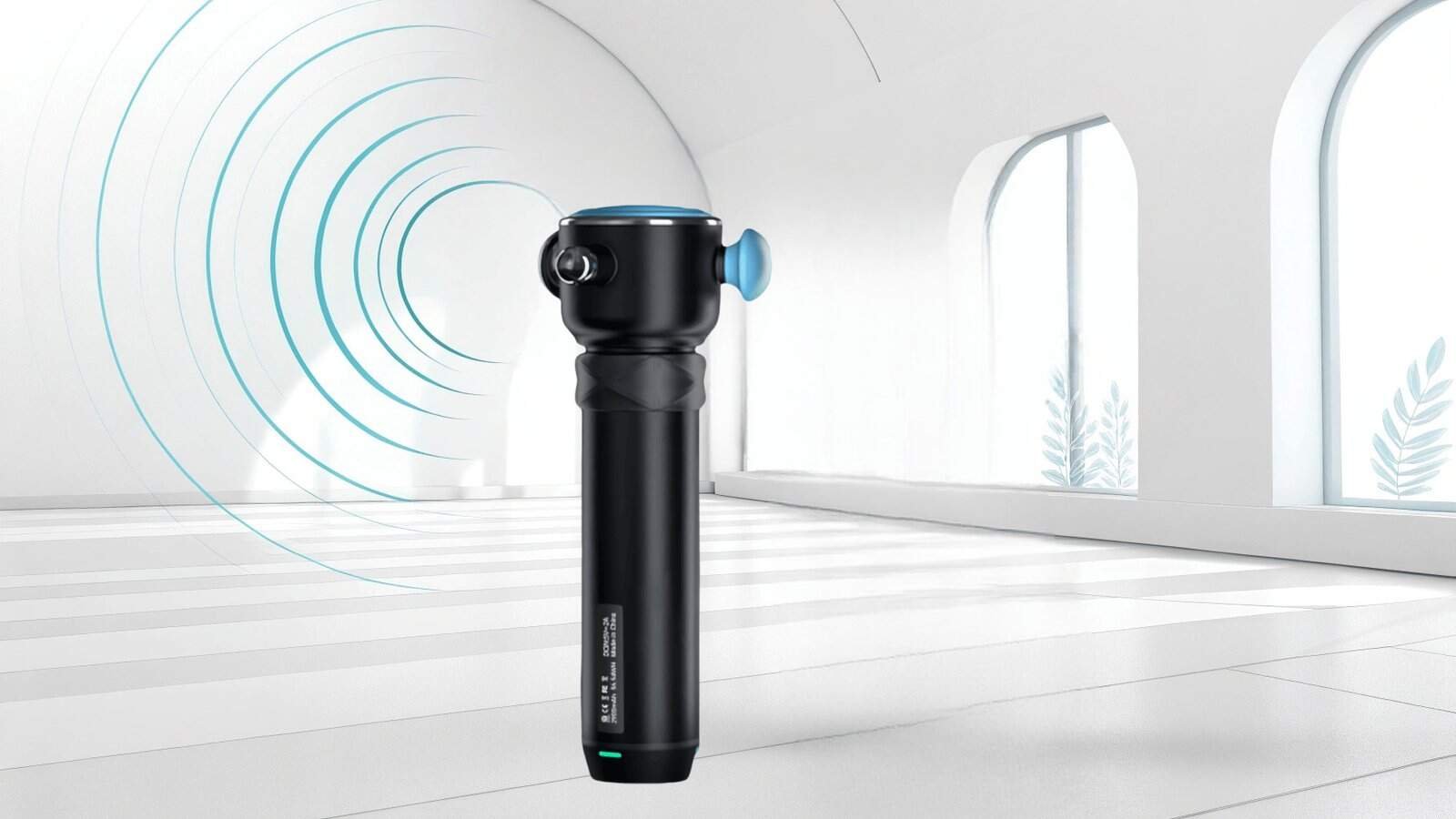
Home PT devices now outperform expectations through three key advancements:
-
- Early units weighed 5+ pounds
- New models under 1.5 pounds
- Fits in travel bags easily
-
Treatment Depth6 Technology Penetration Depth Basic Massagers 2-3mm Therapy Guns 6-8mm Professional PT 6-10mm -
- Therapist visit: $100-$300 per session
- Home device: $100-$300 one-time
- Pays for itself in 1-3 uses
These innovations make home PT not just possible, but often preferable to clinic visits.
How to get PT at home?
Getting professional-quality treatment at home seemed unrealistic before. Now it’s as easy as choosing the right equipment and learning proper techniques.
Purchase an FDA-cleared therapy gun with 3D vibration technology. Look for 5000+ RPM, multiple attachments, and ergonomic design to replicate professional treatment at home.
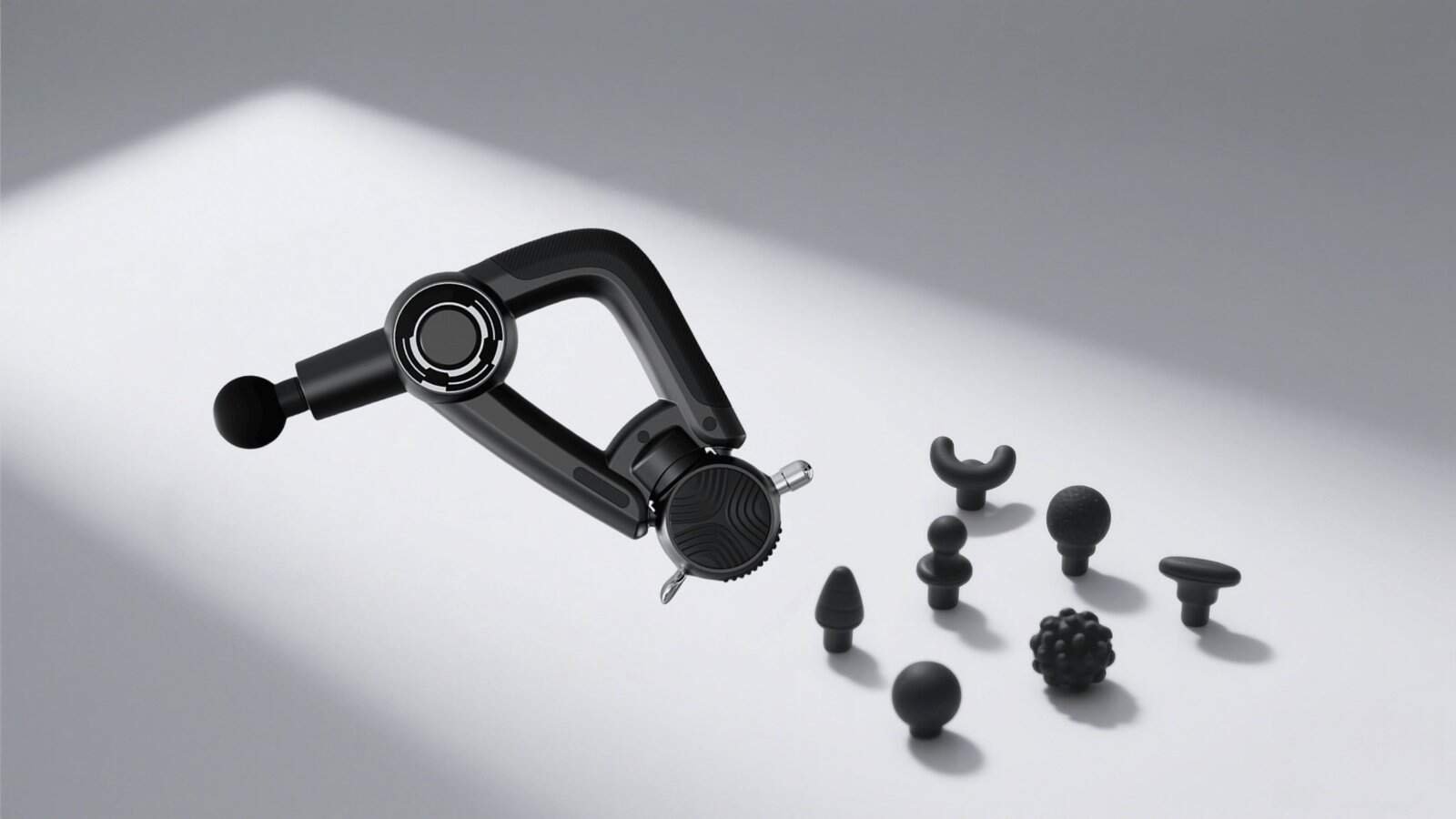
Follow this home PT implementation plan:
-
Equipment Selection
- Check amplitude (2mm ideal)
- Verify RPM (minimum 5000)
- Test weight and grip comfort
-
Usage Protocol
- Start with 30-second intervals
- Focus on muscle belly areas
- Avoid bones and joints directly
-
Maintenance Tips
- Clean attachments weekly
- Charge after each use
- Store in dry location
With proper equipment and technique, home therapy matches 80% of professional treatment effectiveness according to recent studies.
How much does it cost to have a physical therapist come to your house?
House call therapy services come with premium pricing. Understanding these costs helps justify investing in home equipment alternatives.
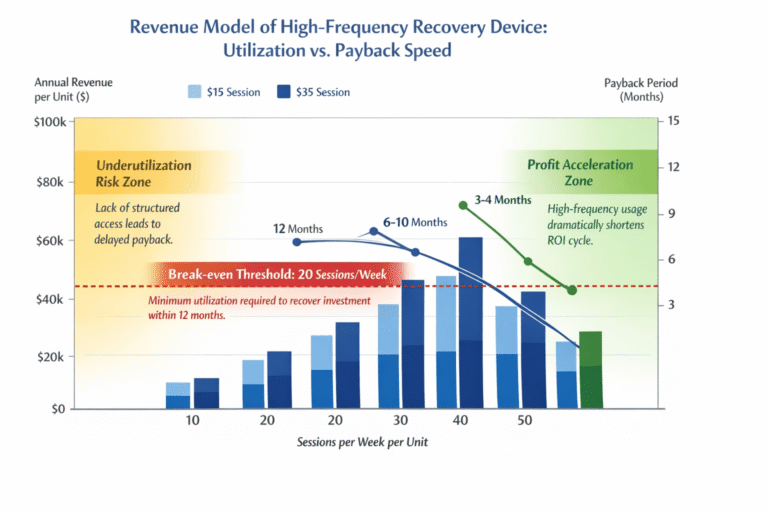
Home-visit physical therapists typically charge $100-$300 per session. Compact therapy guns cost the same as 1-3 visits but provide unlimited treatments over 3-5 years.
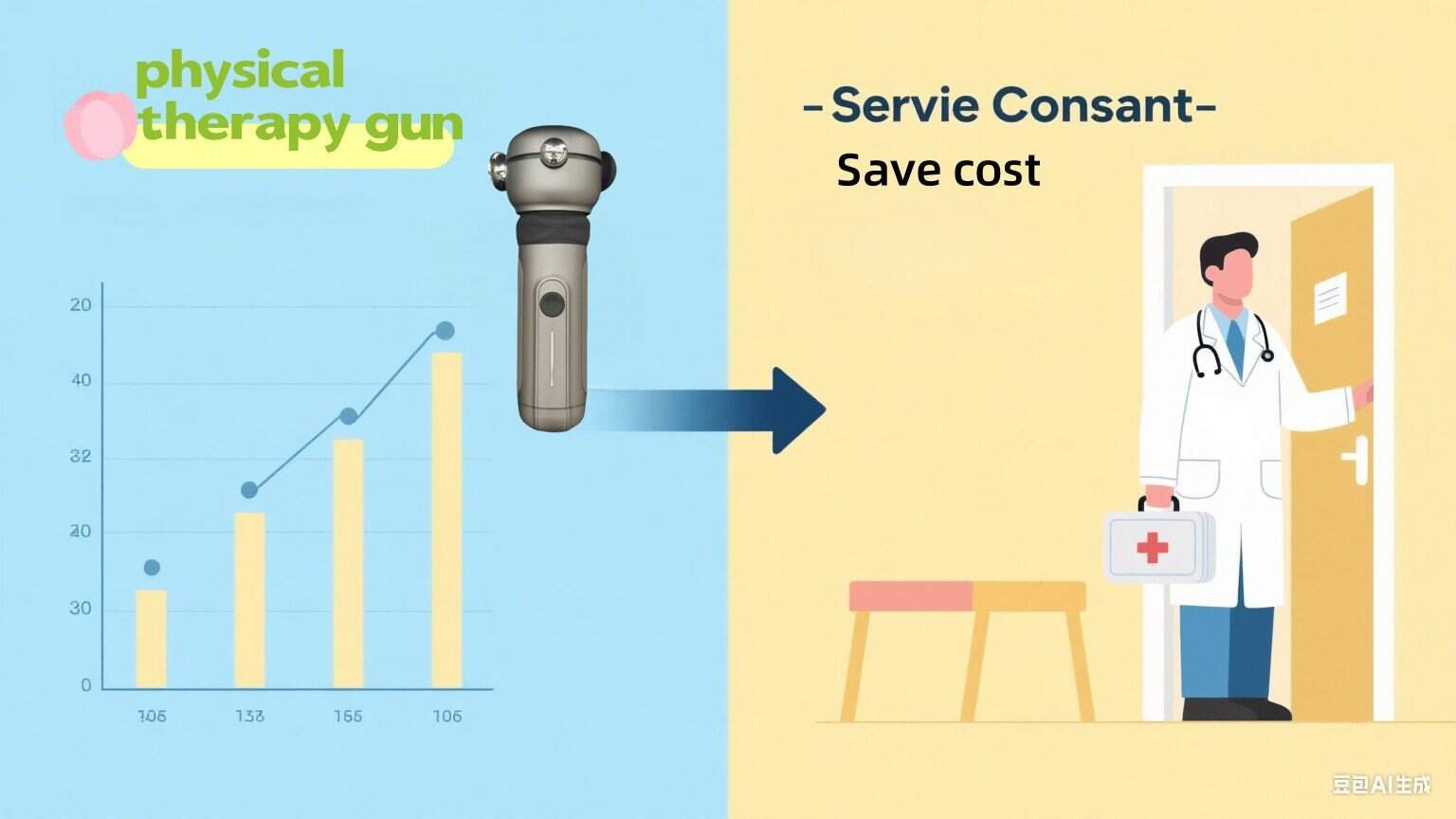
Breakdown of financial considerations:
-
- Initial evaluation: $150-$250
- Follow-up sessions: $100-$200
- Travel fees: $25-$50 extra
-
Device Economics9 Option Sessions Total Cost Therapist 12 $1,200-$2,400 Therapy Gun Unlimited $100-$300 -
- Many plans don’t cover home visits
- Devices often FSA/HSA eligible
- No claim paperwork needed
The long-term savings make home devices overwhelmingly cost-effective for regular users.
Conclusion
Advanced portable therapy devices now provide affordable, convenient alternatives to traditional physical therapy, with comparable results for most common conditions.
-
Discover the innovative rapid release technology and its impact on modern physical therapy solutions. ↩
-
Explore the advancements that have made home physical therapy a viable option for many, enhancing convenience and effectiveness. ↩
-
Discover how modern therapy guns can revolutionize your home physical therapy routine with their advanced technology. ↩
-
Learn about the science behind high RPM vibrations and their effectiveness in physical therapy treatments. ↩
-
Learn about the advancements in device portability and how they enhance convenience for users on the go. ↩
-
Understanding treatment depth can help you choose the right device for effective therapy, ensuring optimal results. ↩
-
Explore how home devices can save you money and provide effective treatment, making them a smart investment for your health. ↩
-
Understanding service costs can help you budget effectively for therapy options and make informed decisions. ↩
-
Exploring device economics can reveal significant savings and convenience for regular therapy users. ↩
-
Knowing insurance factors can help you maximize your benefits and minimize out-of-pocket expenses for therapy. ↩