Athletes push their bodies to extremes. But without proper recovery, performance declines and injury risk skyrockets. Are you sacrificing gains by neglecting recovery?
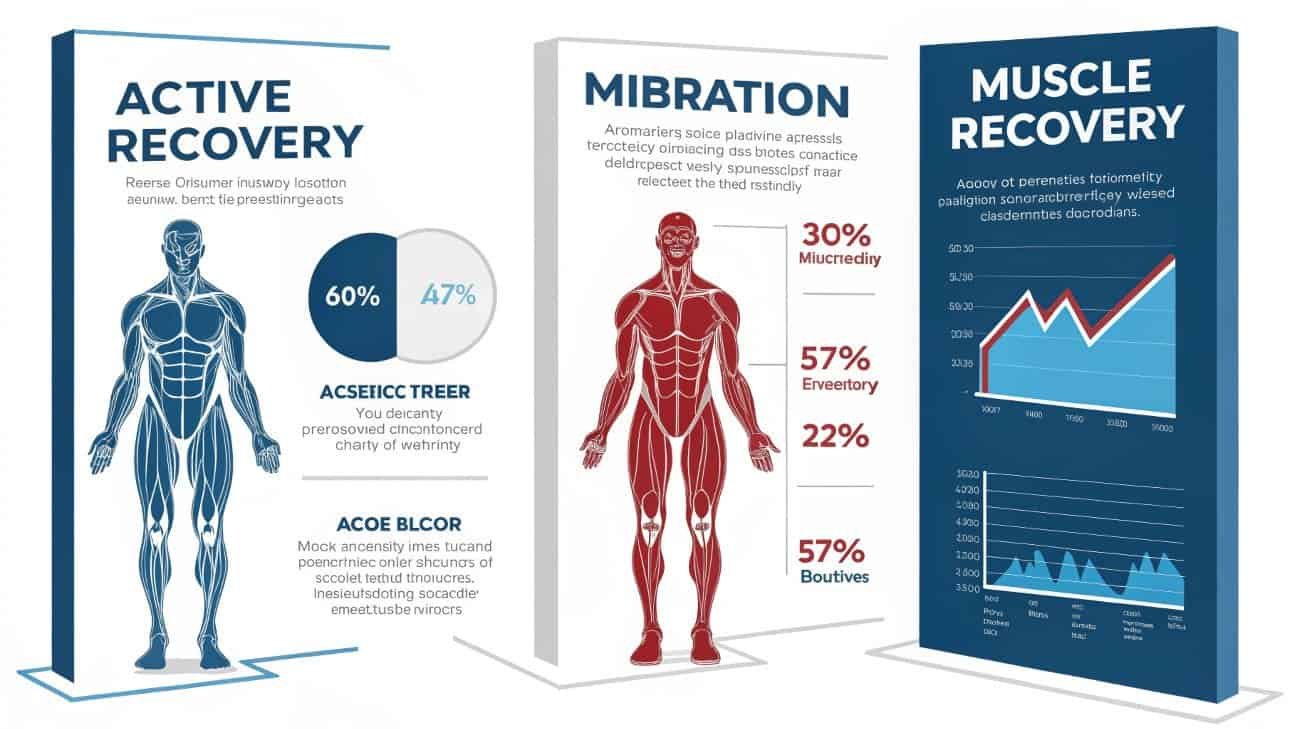
Active recovery tools now outperform passive rest for muscle repair. Modern vibration therapy guns1 with 4500-7000 RPM 3D vibrations boost blood flow 160% faster than sleep alone, targeting lactic acid buildup and muscle stiffness that traditional rest can’t resolve.
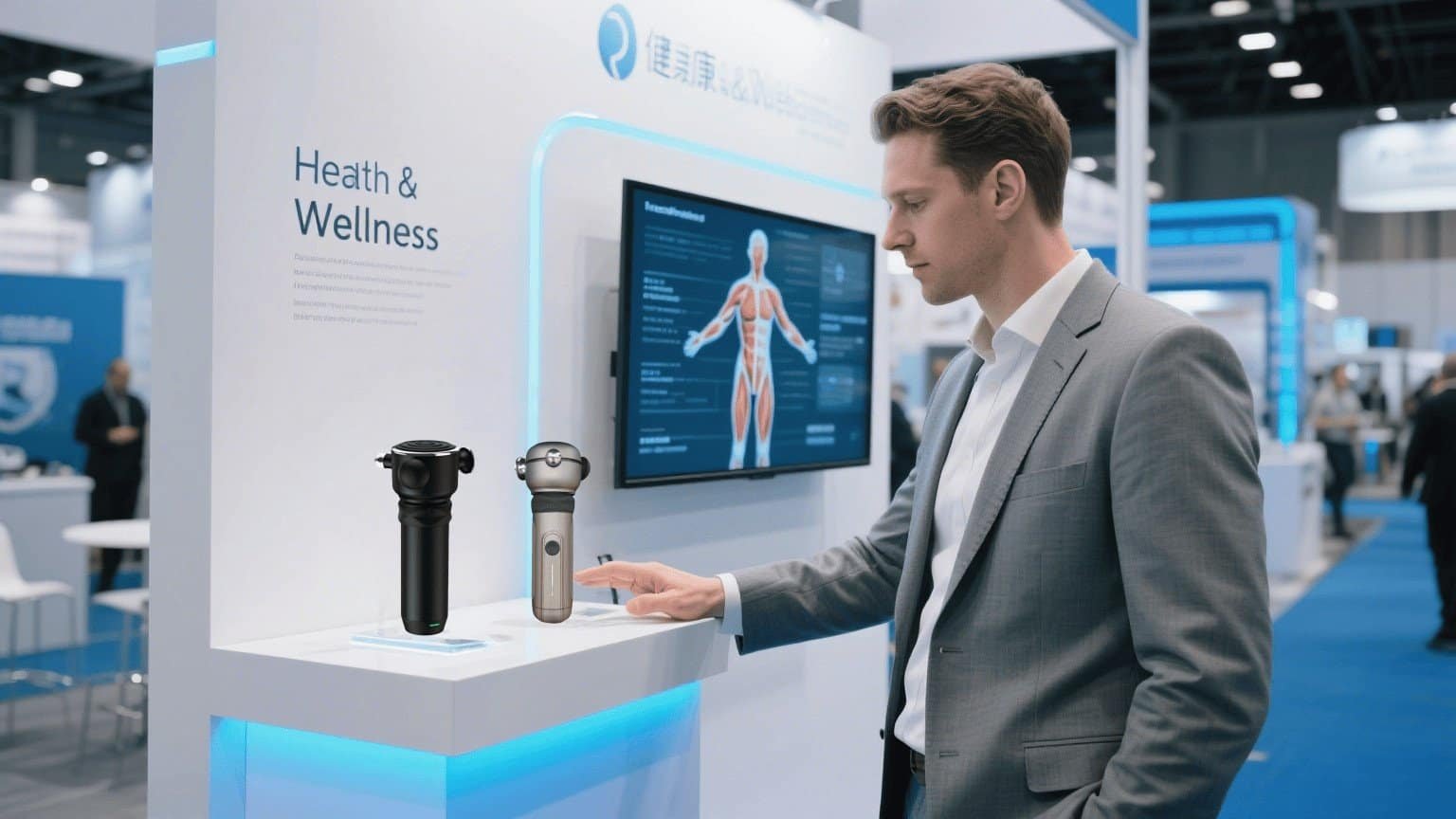
Gone are the days when sleep was the only recovery method. Science proves targeted tools can accelerate healing where it matters most. Let’s examine why recovery deserves equal focus to training.
Why Is It Important to Rest and Recover?
Muscles break down during workouts. Without recovery, they rebuild weaker, not stronger. Are you giving your body what it needs to improve?
Recovery allows muscle fibers2 to repair microtears, replenish energy stores, and remove metabolic waste. Studies show active recovery tools3 like vibration therapy guns remove lactic acid 180% faster than passive rest, preventing performance plateaus.
The Science Behind Faster Recovery
-
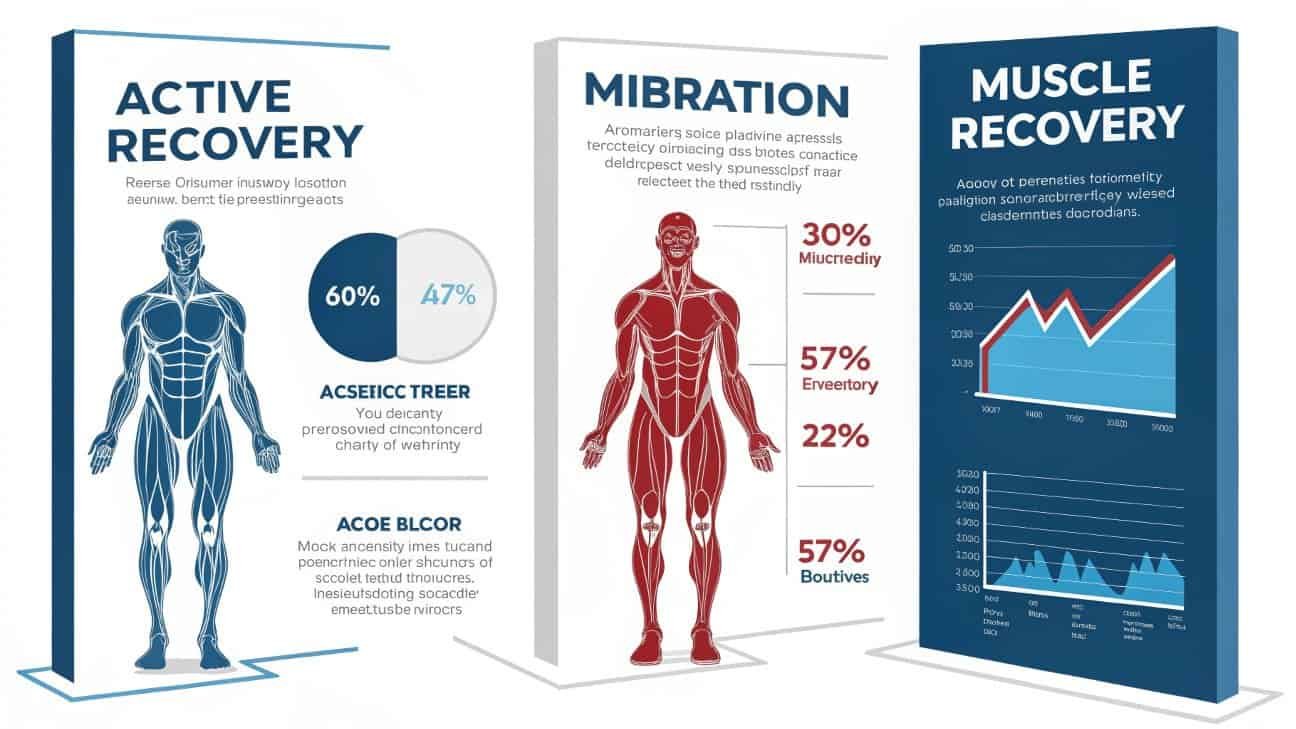
Tissue-Level Repair Recovery Factor Passive Rest Active Vibration Therapy Blood Flow Increase 20-40% Up to 160% Lactic Acid Clearance 1-2 hours 30-45 minutes Pain Signal Reduction Minimal Blocks 70% of pain pathways -
Neurological Benefits
- Vibration triggers the tonic vibration reflex, reducing muscle spasms
- 3D motion mimics natural muscle contractions for deeper penetration
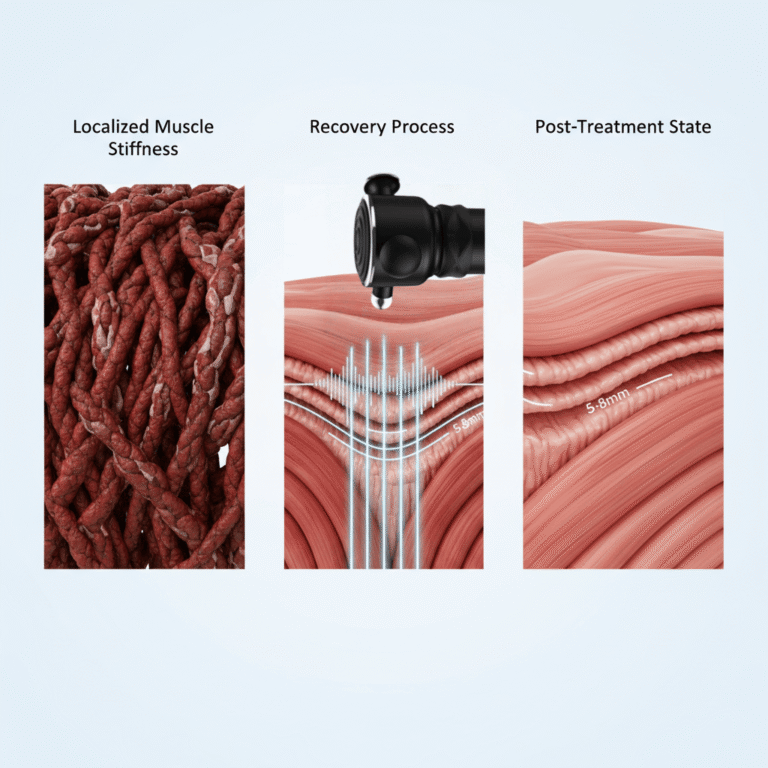
- High-frequency waves reach 6-8mm depth versus 2-3mm with static stretching
Professional athletes combine sleep with targeted tools because both serve different purposes. Sleep handles whole-body restoration while vibration therapy addresses localized issues like:
- Adhesions in fascia tissue
- Stiff joints from repetitive motion
- Metabolic waste in specific muscle groups
Is Sleep the Best Recovery for Athletes?
Sleep is irreplaceable for hormone regulation and brain function. But can it solve all recovery needs alone?
While sleep promotes growth hormone release, it lacks targeted action on muscle stiffness or lactic acid. High-frequency vibration therapy complements sleep by addressing these specific issues, offering 23% faster return-to-play readiness.
Limitations of Sleep-Only Recovery
-
Systemic vs Localized Repair
- Sleep benefits entire body equally
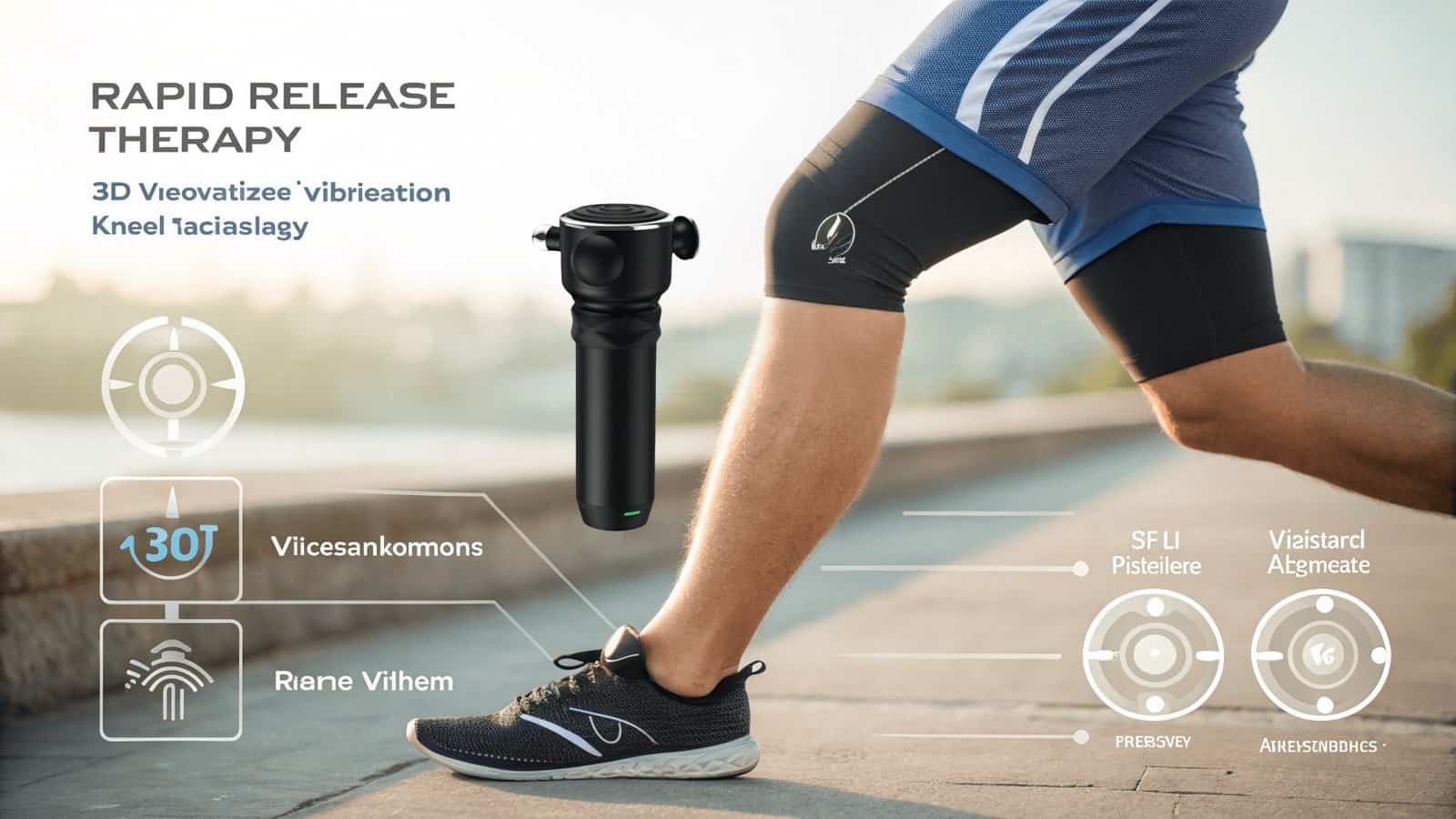
- Therapy guns focus on overworked muscles (e.g., quads after sprinting)
-
Time Efficiency
-
Precision Matters
- Passive rest can’t break scar tissue adhesions
- 3D vibrations penetrate deeper muscle layers to release tension
Athletes using both methods report:
- 15% greater flexibility gains
- 40% fewer overuse injuries
- Faster adaptation to increased training loads
How Do Athletes Recover So Quickly?
Elite athletes don’t have magic genes—they use science-backed tools to cheat biology. What’s their real secret?
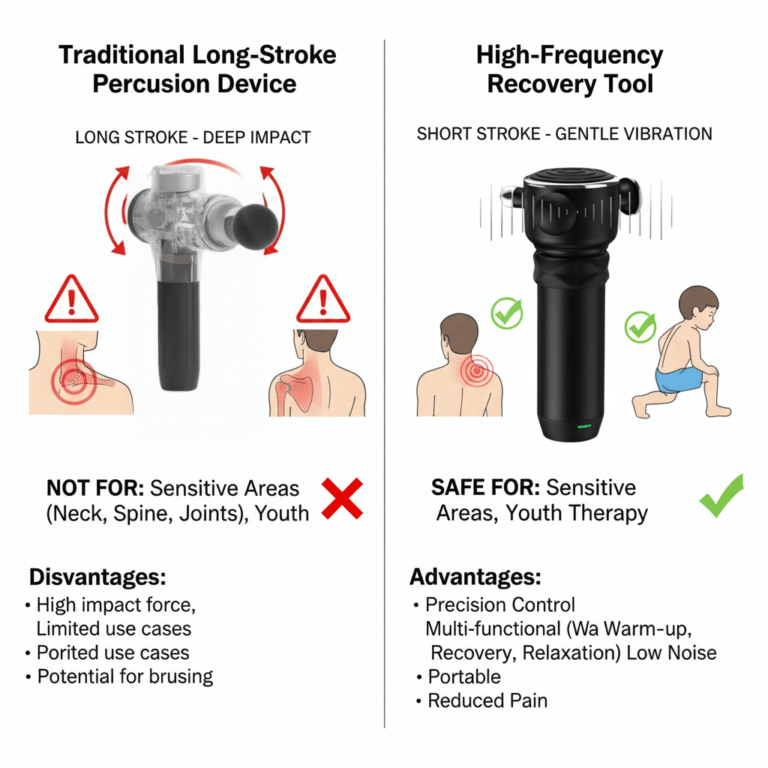
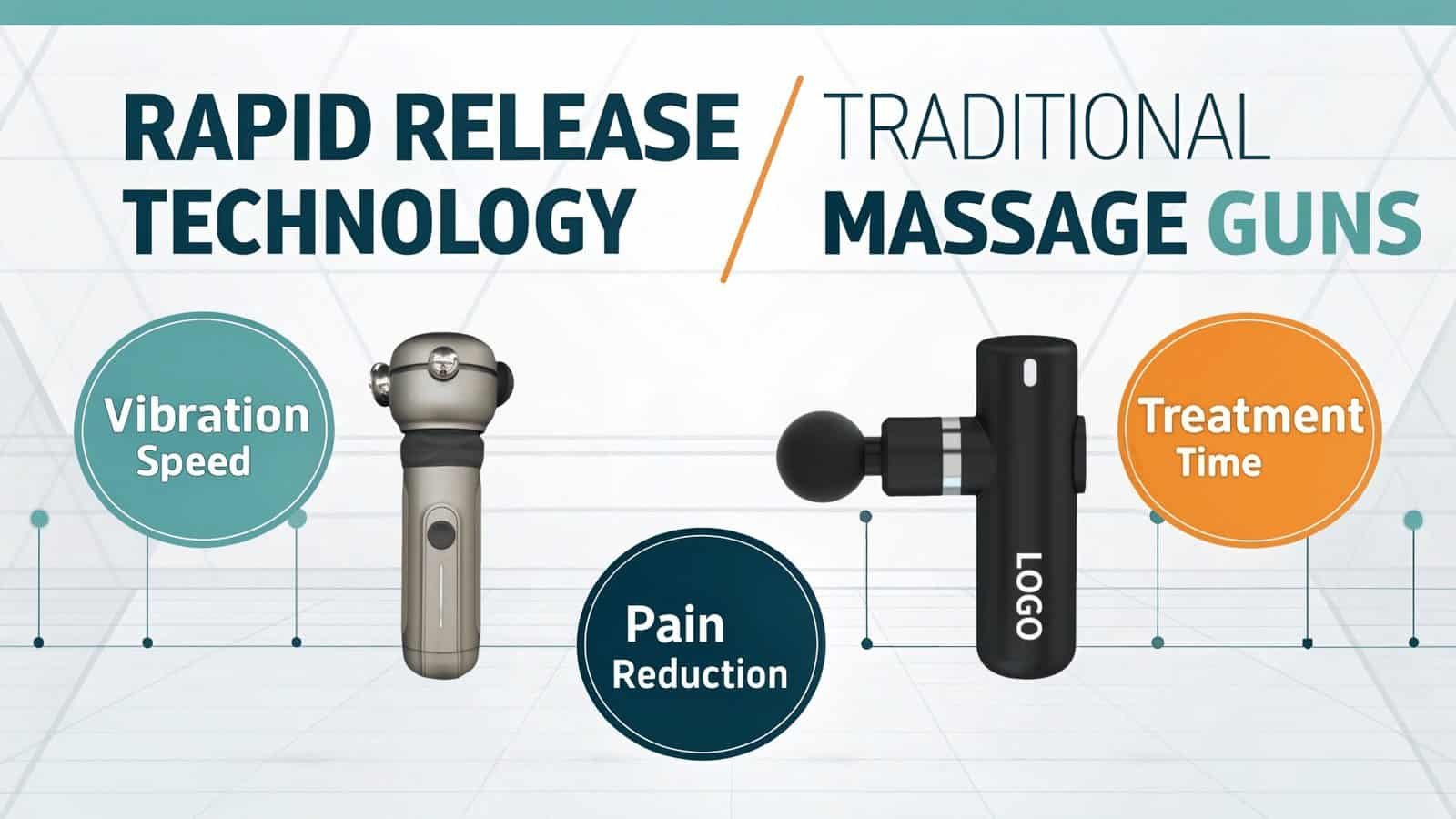
Top performers combine sleep, nutrition, and advanced tools5 like rapid-release therapy guns. These devices provide 180% faster relaxation than traditional massagers by delivering 7,000 RPM vibrations that mimic professional sports massage techniques.
The Recovery Toolkit Breakdown
-
Technology Advantages
- 3D Vibration: Vertical + horizontal movements match natural muscle motion
- Amplitude: 2-3.5mm depth reaches both superficial and deep fascia
- Frequency: 4500-7000 RPM dissolves lactic acid crystals efficiently
-
Practical Applications
- Pre-Competition: 5-minute sessions boost range of motion
- Post-Workout: 10 minutes reduces soreness by accelerating waste removal
- Injury Prevention: Daily use decreases muscle stiffness by 27%
-
User-Specific Benefits Body Area Traditional Massage Therapy Gun Shoulders Limited access Full 360° treatment Knees Risk of swelling Safe fluid dispersion Lower Back Painful pressure Targeted vibration relief
Conclusion
Rest isn’t just sleeping—it’s actively repairing muscles with the right tools. Combine vibration therapy with sleep for complete, faster recovery.
-
Learn about the science behind vibration therapy guns and their effectiveness in muscle recovery. ↩
-
Understand the critical role of muscle fiber repair in athletic performance and recovery. ↩
-
Explore how active recovery tools can enhance athletic performance and prevent injuries. ↩
-
Learn effective strategies to reduce Delayed Onset Muscle Soreness (DOMS) for better recovery. ↩
-
Gain insights into the cutting-edge recovery tools that top athletes rely on for performance. ↩