Your massage gun shipment was delayed at customs, and you’re not alone. Many exporters face this issue, but the solution is simpler than you think.
Customs delays often happen because the packaging and labels don’t match the product description in the documents. Ensuring consistency in wording and design is the key to smooth clearance.
If you’re frustrated by customs hold-ups, this guide will help you understand the common pitfalls and how to avoid them. Let’s dive into the details.
Outer Carton, Inner Box and User Manual: The 3 Layers of Packaging Compliance Most Massage Gun Exporters Overlook
Many exporters focus on the product but forget about the packaging. This oversight can lead to costly delays.
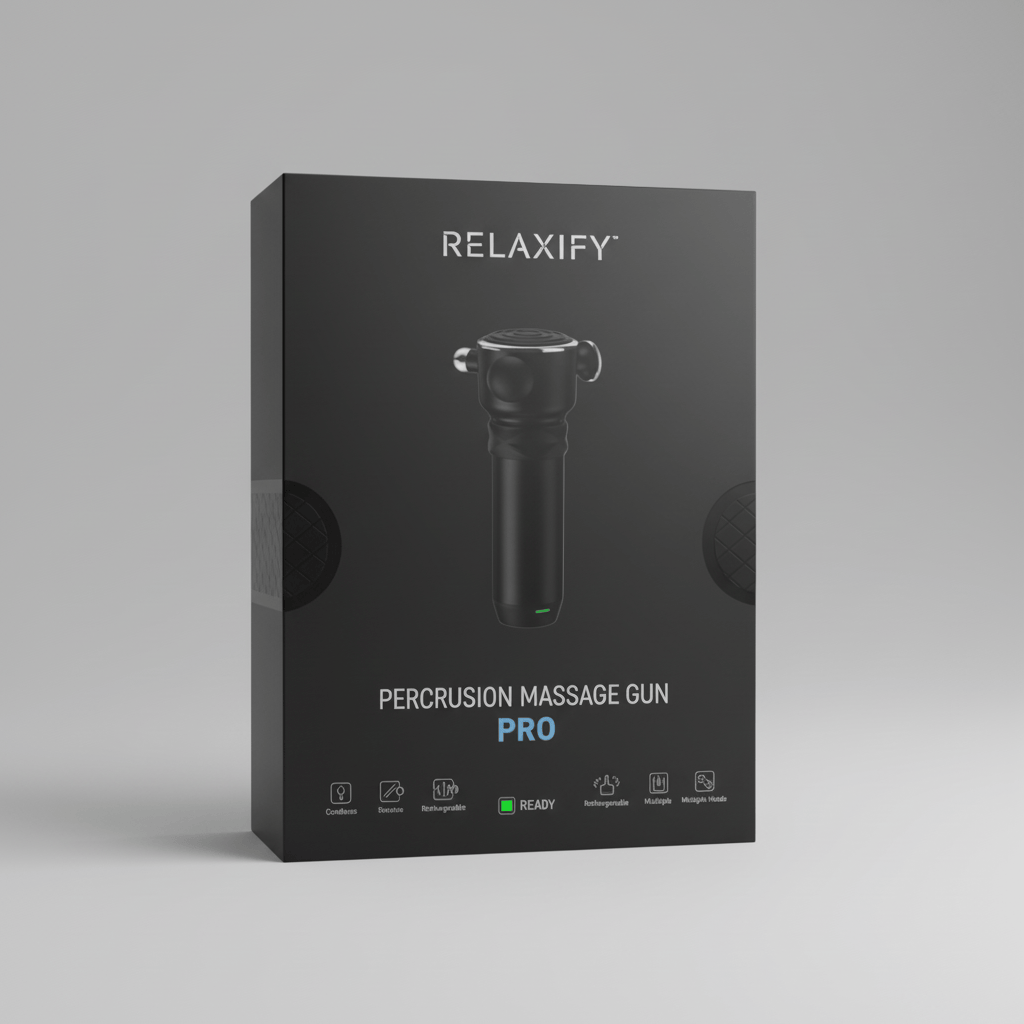
The outer carton, inner box, and user manual1 must all align with the product’s declared specifications. Any mismatch can trigger customs scrutiny2.
Why Each Layer Matters
-
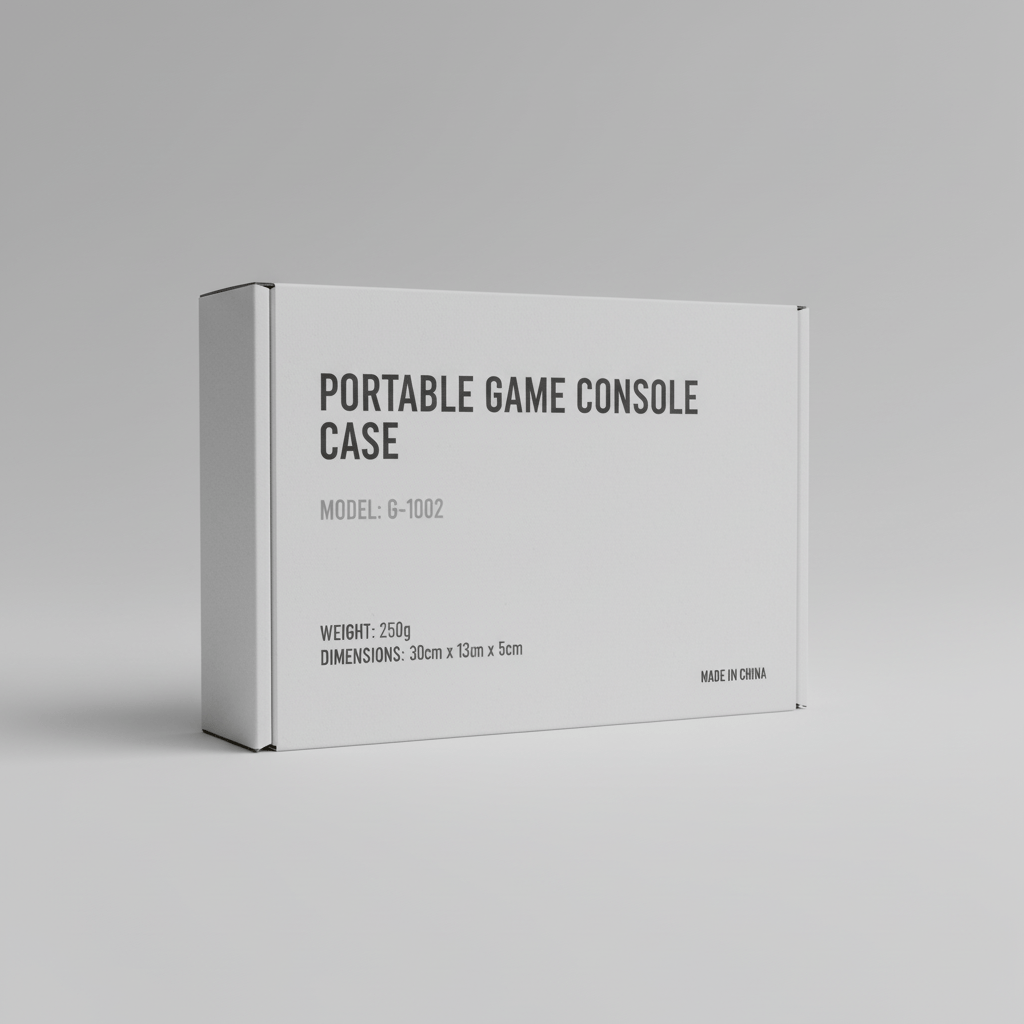
Outer Carton: This is the first thing customs officers see. It must clearly display:
- Product name and model.
- Weight and dimensions.
- Country of origin.
-
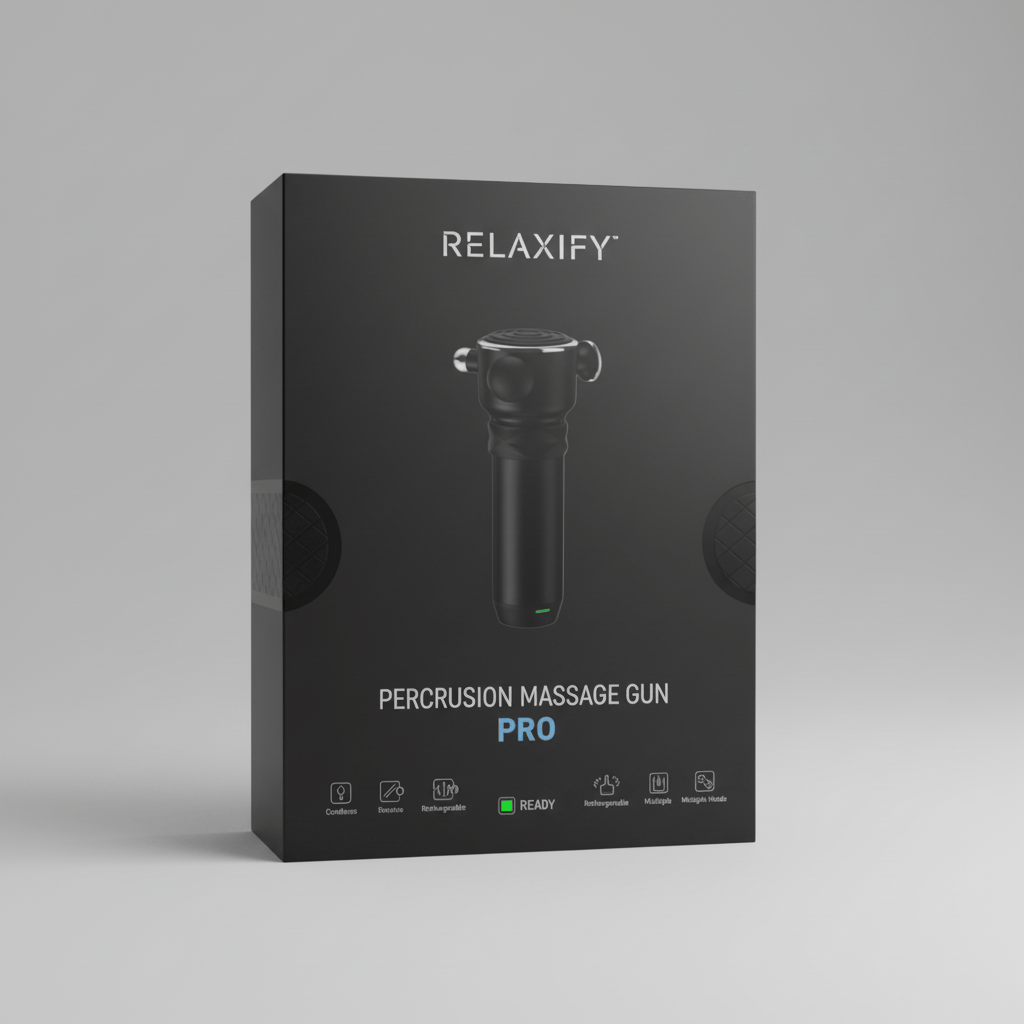
Inner Box: Often overlooked, this layer must:
- Match the outer carton’s information.
- Avoid exaggerated claims (e.g., "medical-grade" if not certified).
-
User Manual: It should:
- Include accurate usage instructions.
- List all safety warnings.
- Be in the language of the destination country.
Common Mistakes
- Using generic packaging for multiple products.
- Missing or incorrect labeling on the inner box.
- Outdated manuals with incomplete safety information.
Labels, Icons and Warnings: How to Show Battery, Power and Usage Information Clearly on High-Frequency Massage Guns
Misleading labels can cause customs to flag your shipment. Clarity is non-negotiable.
Labels must clearly indicate battery type, power requirements, and usage warnings. Icons should be universally understood to avoid confusion.

Key Labeling Requirements
-
Battery Information:
- Type (e.g., lithium-ion).
- Voltage and capacity.
- Recycling symbols if applicable.
-
Power Requirements:
- Input voltage (e.g., 100-240V).
- Frequency (e.g., 50/60Hz).
-
Usage Warnings:
- Contraindications (e.g., not for use on injuries).
- Age restrictions.
Tips for Compliance
- Use standardized icons (e.g., CE, FCC).
- Avoid small fonts that are hard to read.
- Include multilingual labels for global markets.
From Factory Floor to Destination Warehouse: A Simple Packaging & Labeling Checklist to Reduce Customs Delays for Massage Guns
A checklist can save you time and money. Here’s how to ensure your shipment sails through customs.
A step-by-step checklist ensures every layer of packaging and labeling meets customs requirements. This reduces the risk of delays and fines.
Packaging Checklist
-
Outer Carton:
- Correct product name and model.
- Accurate weight and dimensions.
- Proper country of origin marking.
-
Inner Box:
- Consistent with outer carton details.
- No misleading claims.
-
User Manual:
- Complete safety warnings.
- Translated into the destination’s language.
Labeling Checklist
-
Battery Labels:
- Clear type and voltage.
- Recycling instructions.
-
Power Labels:
- Input voltage and frequency.
- Compliance marks (e.g., CE).
-
Usage Warnings:
- Visible and legible.
- Include all contraindications.
Conclusion
Customs delays are avoidable. Focus on consistent packaging and clear labeling to ensure your massage gun shipments arrive on time.