Kids love to play sports like soccer and basketball. But they often forget to take care of their bodies after playing. Young muscles and joints heal fast now, but problems can show up later in life. Starting physical therapy early helps prevent future injuries and keeps kids healthy longer.
Children need sports therapy1 to prevent long-term damage from sports injuries. Using tools like therapy guns2 right after playing helps muscles recover faster and reduces pain. This keeps young athletes healthy and playing longer.
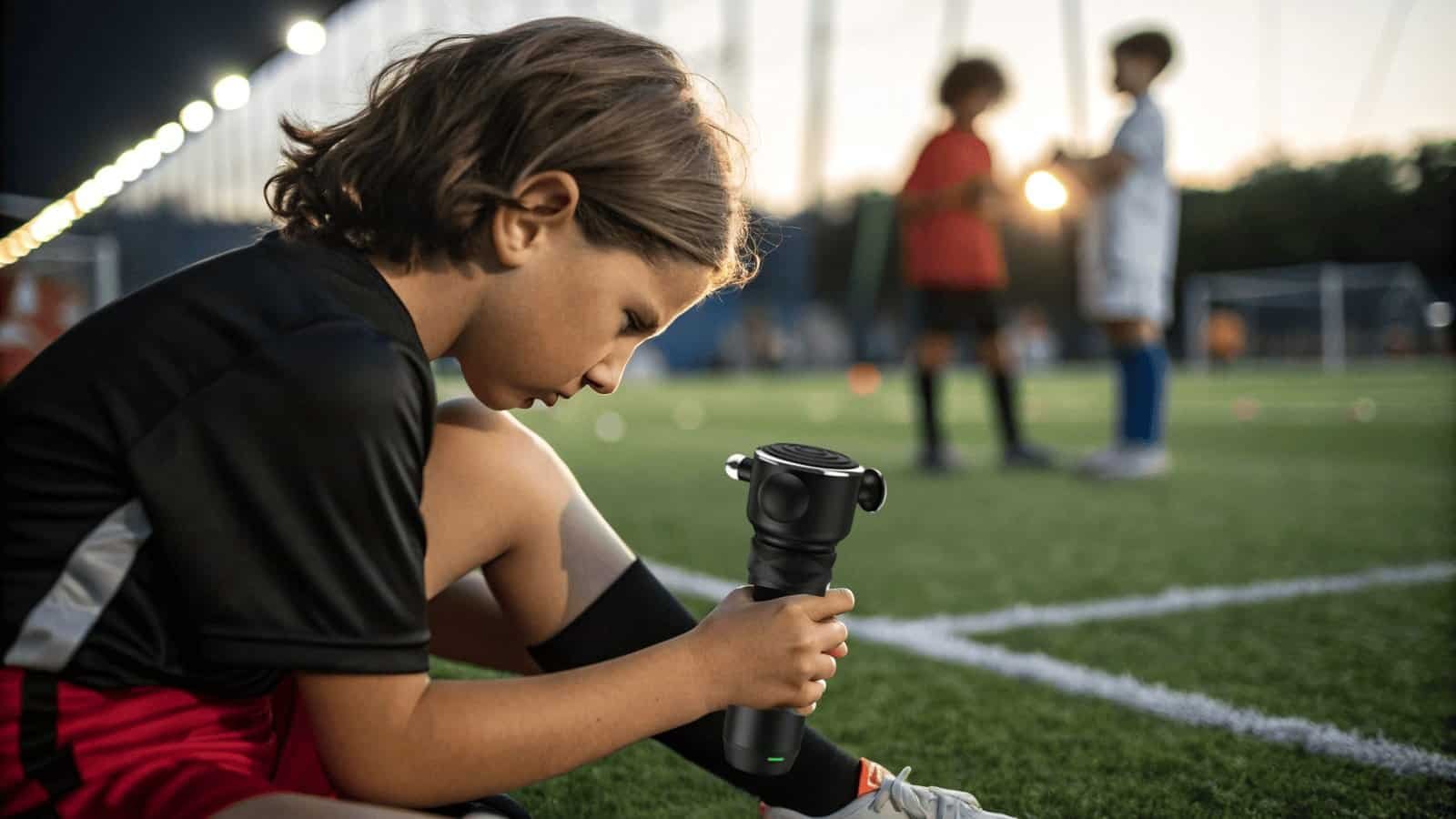
Many parents don’t realize how much stress sports put on young bodies. The small injuries add up over time. But new portable tools make it easy to treat problems right away. Let’s look closer at why kids need this care.
Why would a kid need physical therapy?
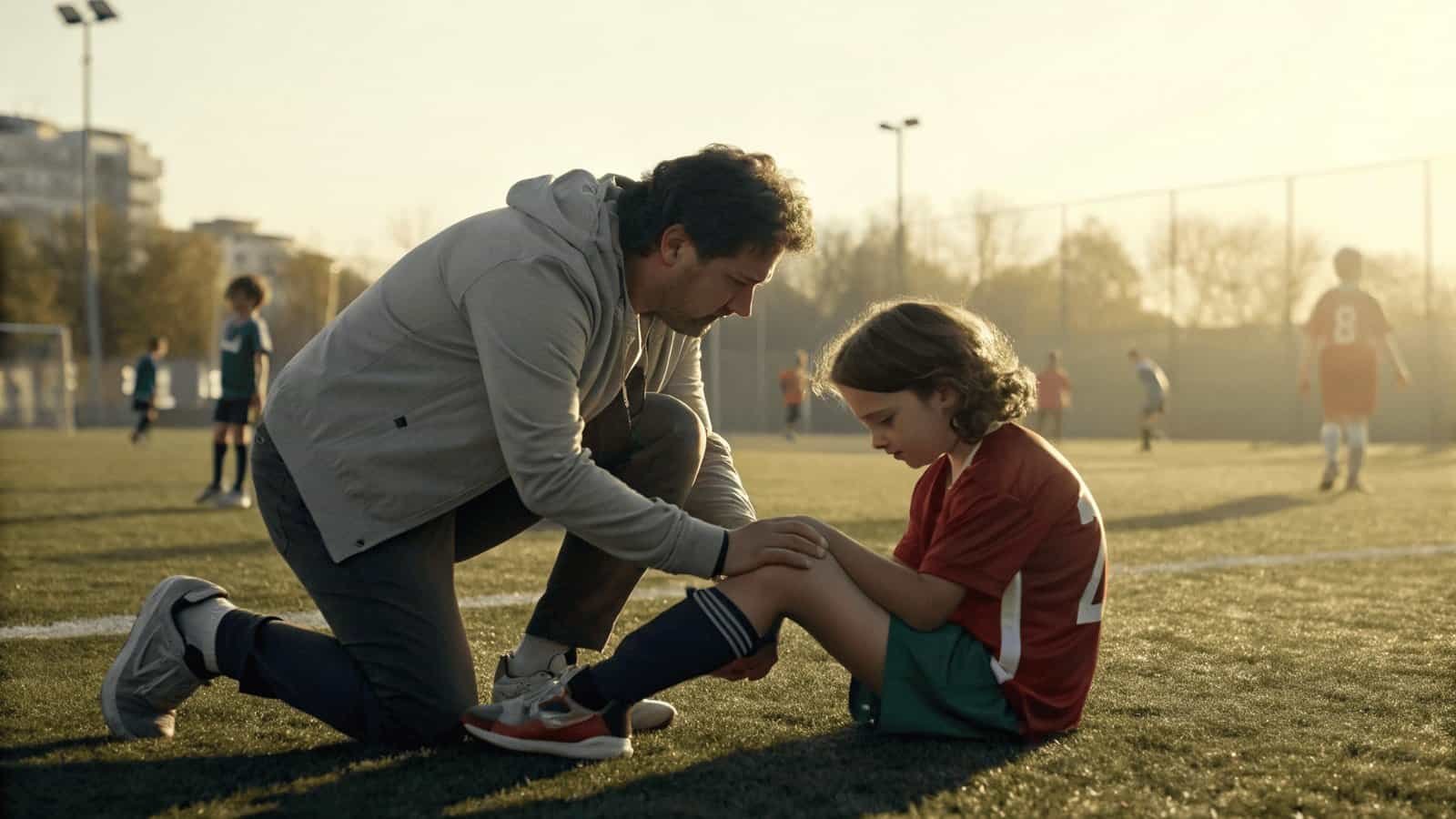
Kids seem to bounce back from anything. But their active bodies face real risks during sports. Falls, collisions, and overuse can cause hidden damage.
Kids need physical therapy to fix small injuries before they become big problems. Regular treatment helps growing bodies handle sports stress3 better and prevents chronic pain later.
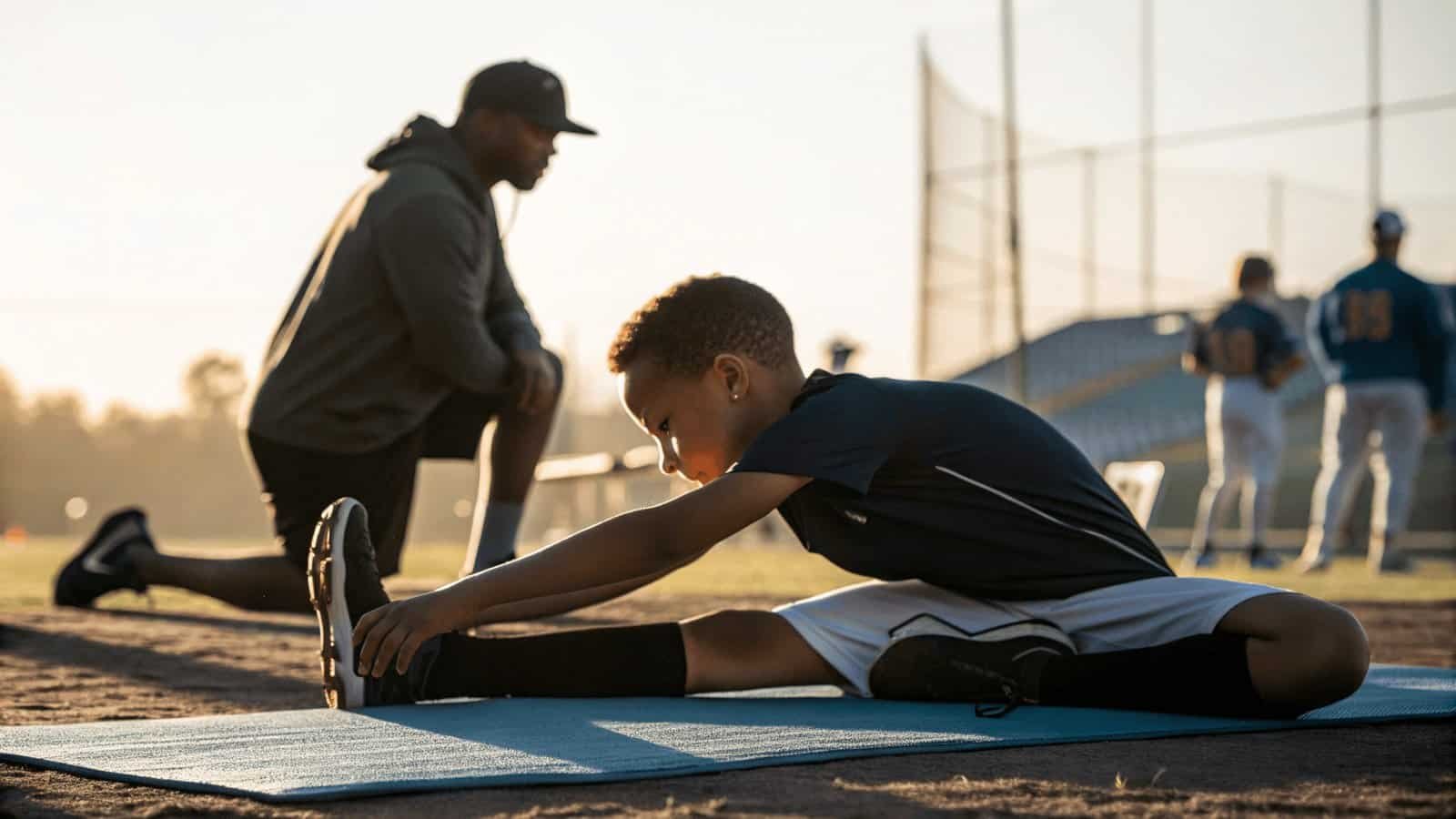
Therapy for young athletes focuses on three key areas:
-
- Strengthens muscles around joints
- Improves flexibility to avoid tears
- Teaches proper movement patterns
-
Immediate Care
- Reduces swelling fast
- Eases muscle tightness
- Helps small injuries heal properly
-
Long-Term Protection
- Prevents scar tissue buildup
- Maintains full range of motion
- Keeps joints healthy as bones grow
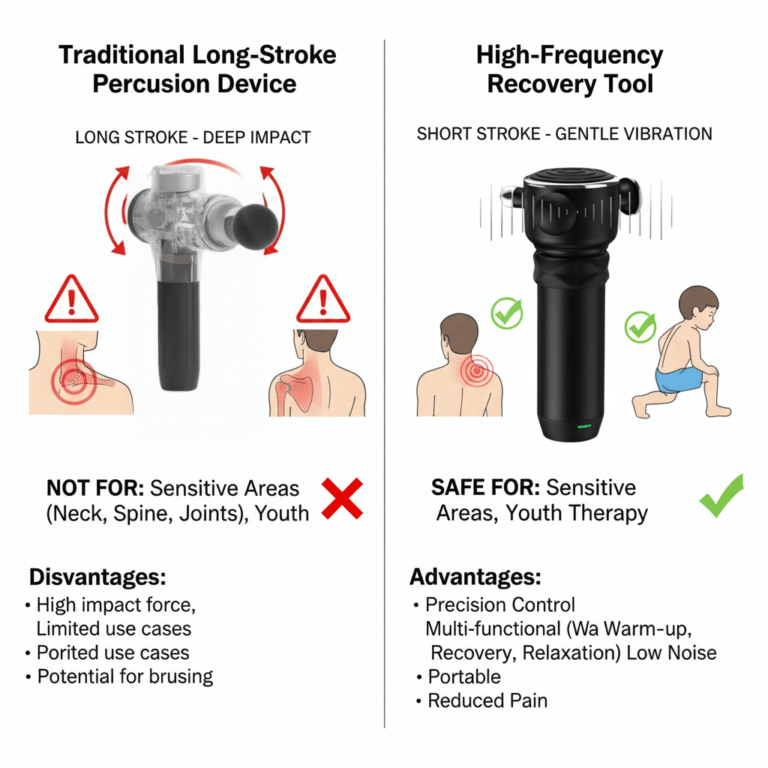
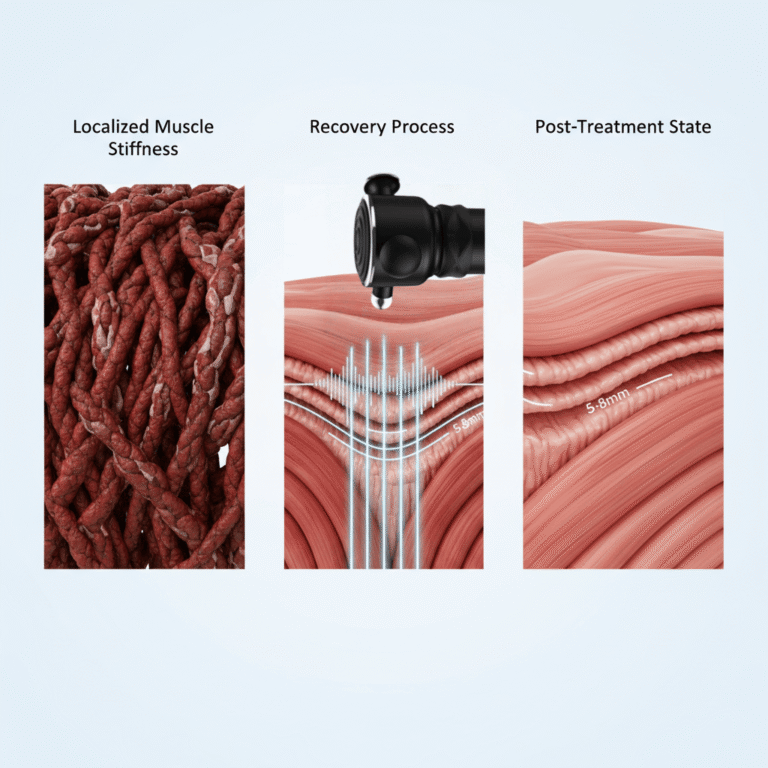
Portable therapy guns work especially well for kids. Their small size fits young bodies perfectly. The gentle vibrations reach deep without causing pain. Kids can use them right on the field when problems first appear.
How do you know if your child needs physical therapy?
Most kids won’t complain about small aches. Parents need to watch for warning signs during and after sports.
Your child needs therapy if they show pain during play, move differently after games, or complain about soreness that lasts days. Early treatment prevents small issues from becoming serious injuries.
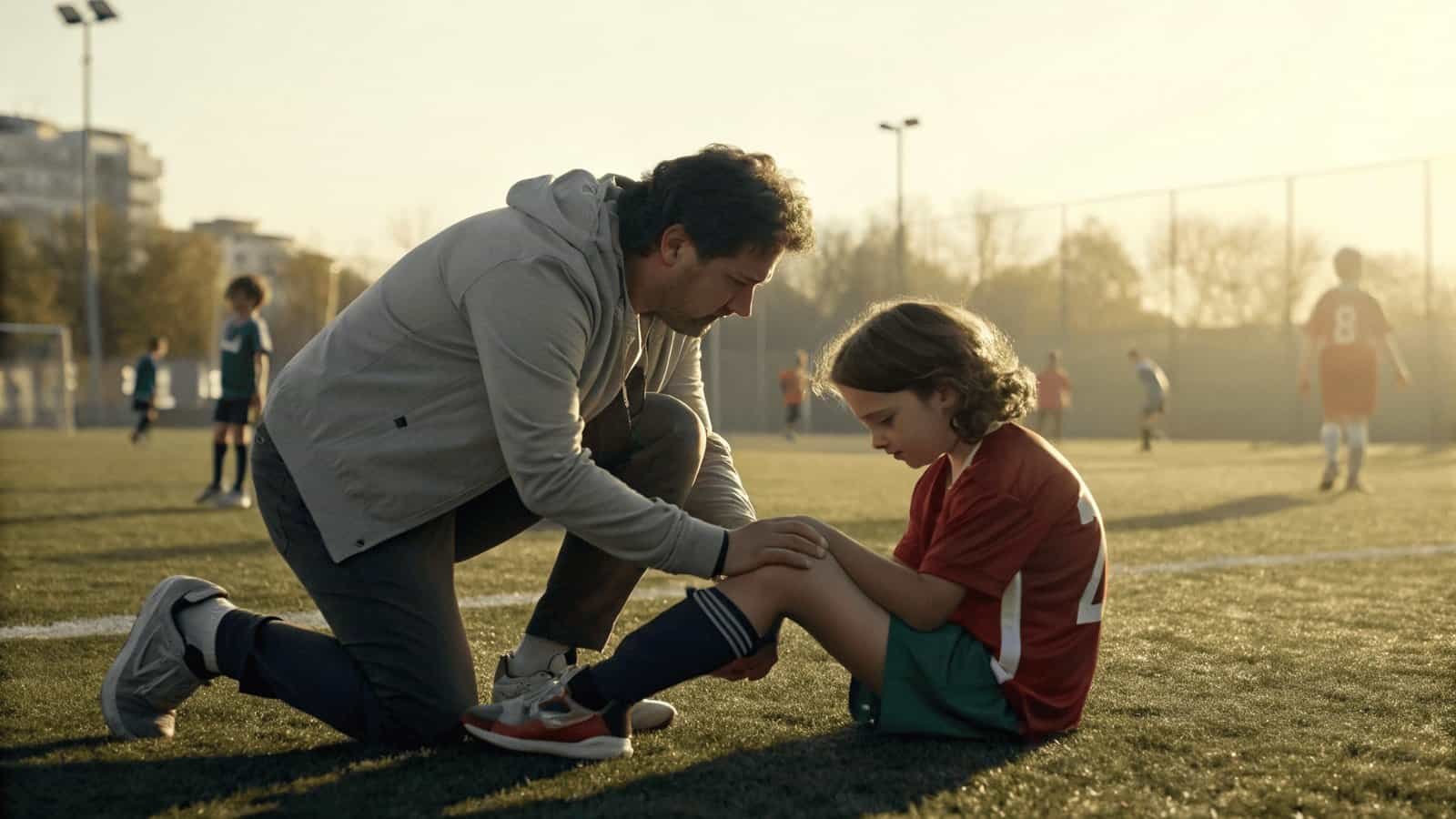
Look for these clear signals:
| Sign | What It Means | Action |
|---|---|---|
| Limping | Possible joint or muscle strain | Check for swelling, use therapy gun |
| Rubbing same spot | Developing sore area | Treat before pain worsens |
| Less playing time | Avoiding movement due to pain | Assess full body for tightness |
| Morning stiffness | Overnight muscle tightening | Improve recovery routine |
Therapy should start at the first signs of trouble. Waiting leads to worse problems. Modern tools let parents provide immediate care anywhere – no need to wait for clinic visits.
What is the goal of pediatric physical therapy5?
Children’s therapy differs from adult treatment. Kids are still growing, so methods must protect developing bodies.
The main goal is to keep young athletes safe while letting them play freely. Therapy helps growing bodies6 handle sports stress, prevents future damage, and teaches healthy habits for life.
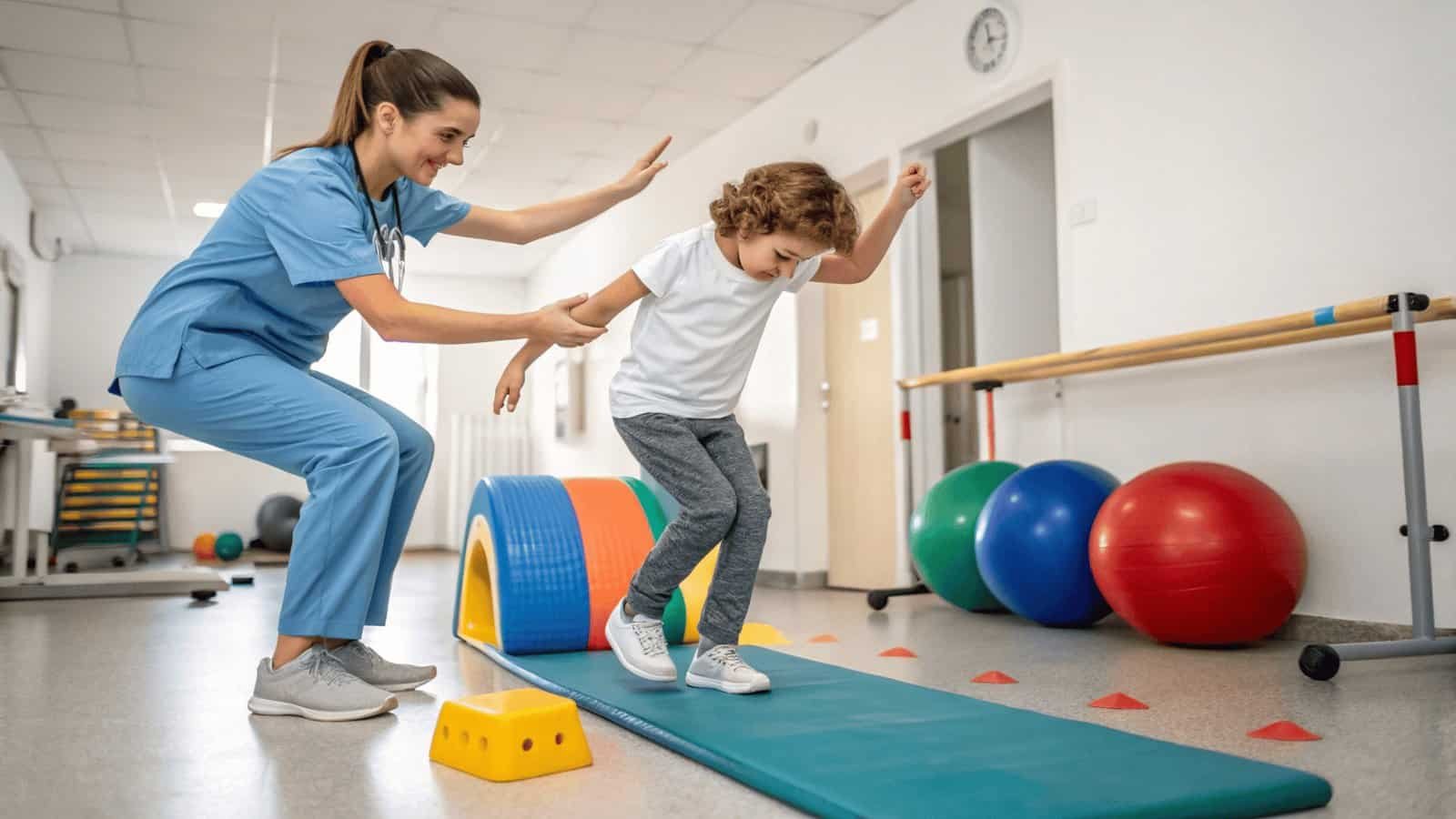
Good pediatric therapy focuses on:
-
Safety First
- Uses gentler pressure than adult treatments
- Avoids areas with growing bones
- Monitors growth plate development
-
Education
- Teaches kids to listen to their bodies
- Shows proper warm-up techniques
- Explains why recovery matters
-
Future Protection
- Builds strong movement patterns
- Prevents bad habits that cause adult injuries
- Creates lifelong health awareness
The best results come from combining professional care with home tools. Portable therapy devices let parents continue treatment between clinic visits. This consistent care makes the biggest difference for young athletes.
Conclusion
Kids need sports therapy to stay healthy now and avoid problems later. Early care with tools like therapy guns prevents small injuries from becoming big troubles.
-
Explore this link to understand how sports therapy can safeguard your child’s health and enhance their athletic performance. ↩
-
Discover the benefits of therapy guns for muscle recovery and pain reduction, ensuring your child stays active and injury-free. ↩
-
Understanding the impact of sports stress on children can help parents make informed decisions about their kids’ athletic activities. ↩
-
Explore this link to discover proven methods for keeping young athletes safe and injury-free during sports activities. ↩
-
Explore this link to understand how pediatric physical therapy supports children’s growth and athletic safety, ensuring they play without injury. ↩
-
Learn about the unique needs of growing bodies in therapy, which is crucial for preventing injuries and promoting healthy development. ↩