Gyms face pressure to deliver efficient recovery solutions. High-Frequency 3D Vibration Therapy1 offers a non-medical performance tool for busy environments.
High-Frequency 3D Vibration Therapy1 guns provide a scalable, time-efficient recovery solution for gyms, reducing reliance on manual methods and staff while delivering consistent results to members.
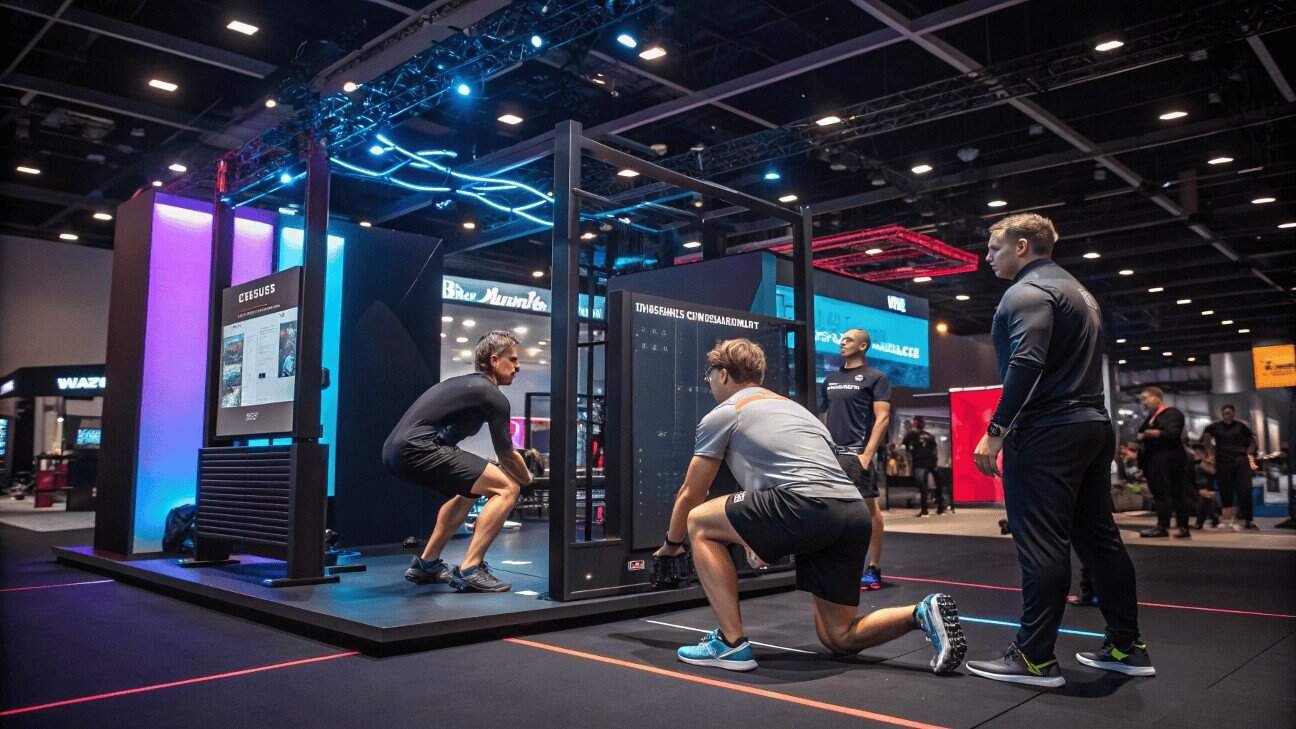
This technology addresses key operational challenges in fitness facilities. Let’s examine its practical benefits.
Maximize Recovery Efficiency with High-Frequency Vibration Technology?
Recovery time impacts gym throughput. Traditional methods create bottlenecks in high-traffic facilities.
High-Frequency 3D Vibration Therapy1 guns deliver rapid, consistent recovery sessions in under 10 minutes per member, increasing facility utilization without additional staffing requirements.
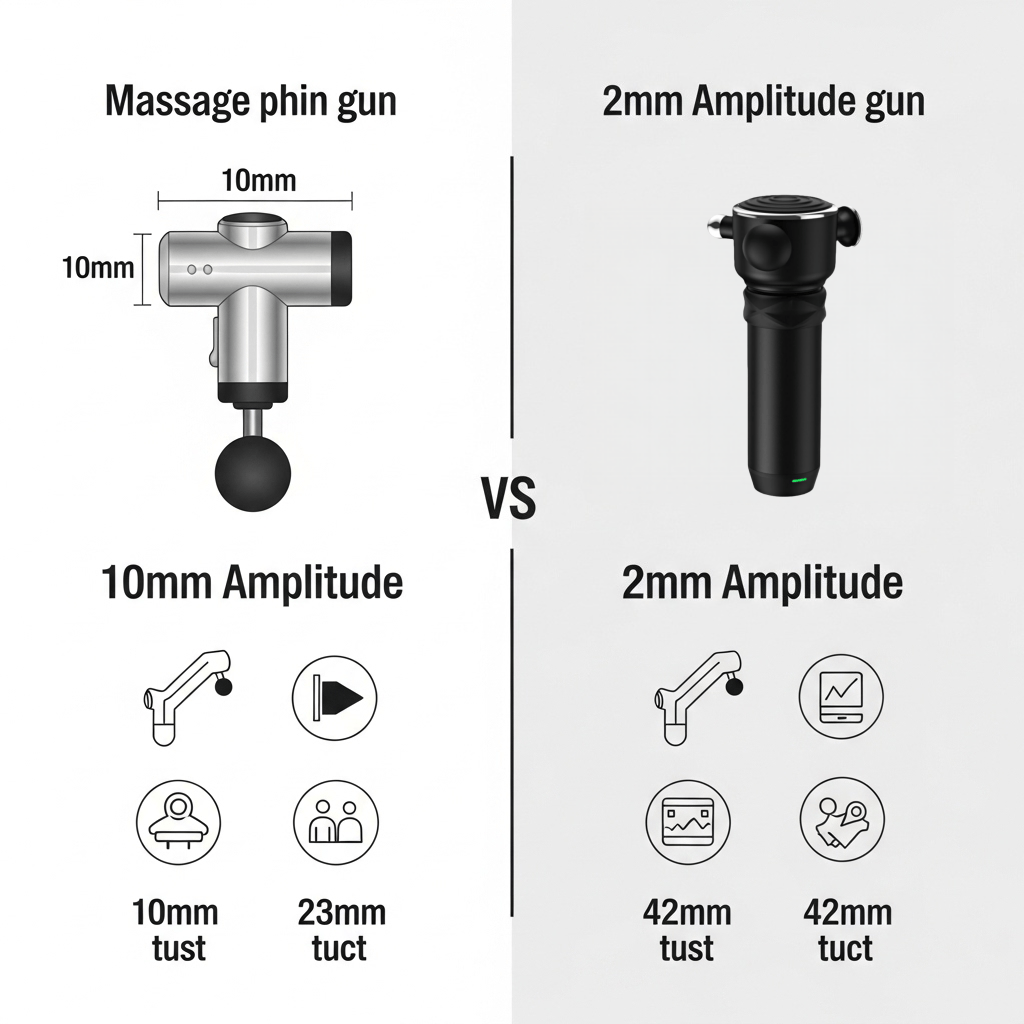
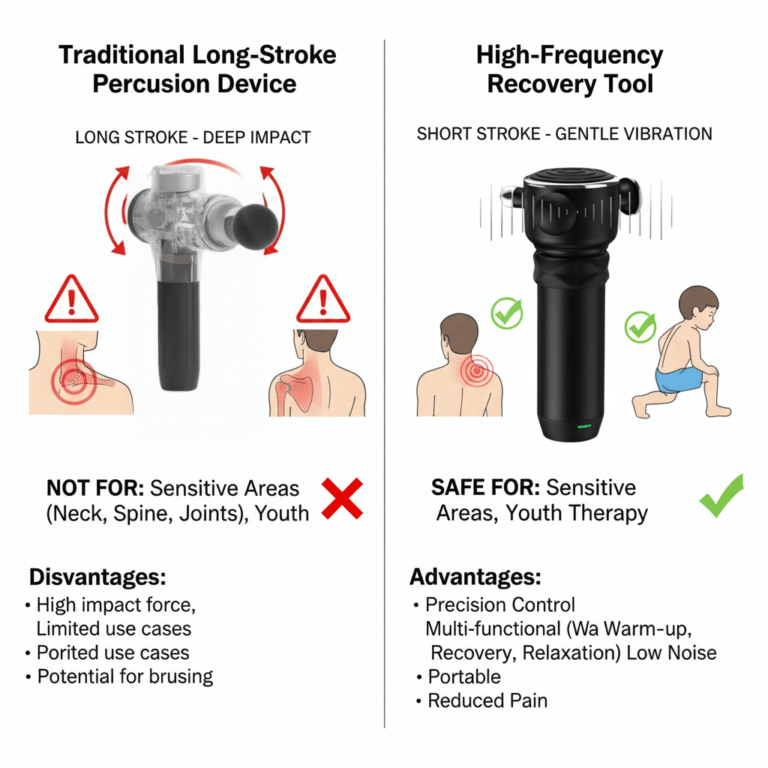
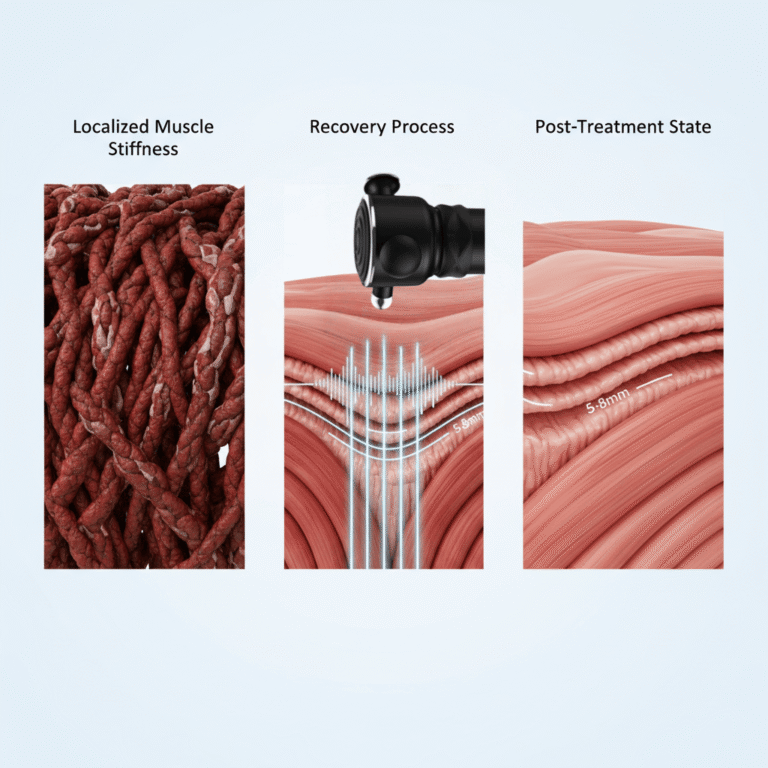
The engineering behind these devices enables their operational efficiency2. Dual-motor systems generate simultaneous horizontal and vertical forces at precise frequencies (typically 30-50Hz). This mechanical action penetrates deep fascia layers more effectively than single-plane vibration devices.
For gym operators, this translates to quantifiable benefits:
| Recovery Method | Avg. Session Time | Staff Required | Members Served/Hour |
|---|---|---|---|
| Manual Therapy | 30-45 minutes | 1 therapist | 1-2 |
| Foam Rolling | 15-20 minutes | None | 3-4 |
| High-Frequency 3D Therapy | 8-12 minutes | None | 5-8 |
The reduced session time directly increases equipment utilization rates3. A single unit can serve 50-70 members daily without supervision, making it ideal for peak hours. Unlike massage therapists, these devices maintain consistent performance regardless of user volume. Maintenance requirements are minimal—primarily motor checks and battery management—keeping operational costs predictable. Sourcing decisions should prioritize robust motor housings and IP-rated construction to withstand gym environments.
How High-Frequency Therapy Guns Enhance Member Experience and Retention?
Member retention hinges on perceived value. Recovery technology directly impacts satisfaction metrics.
High-Frequency 3D Vibration Therapy1 guns deliver immediate, noticeable muscle release that members associate with premium service4, directly boosting satisfaction scores and reducing churn risk.
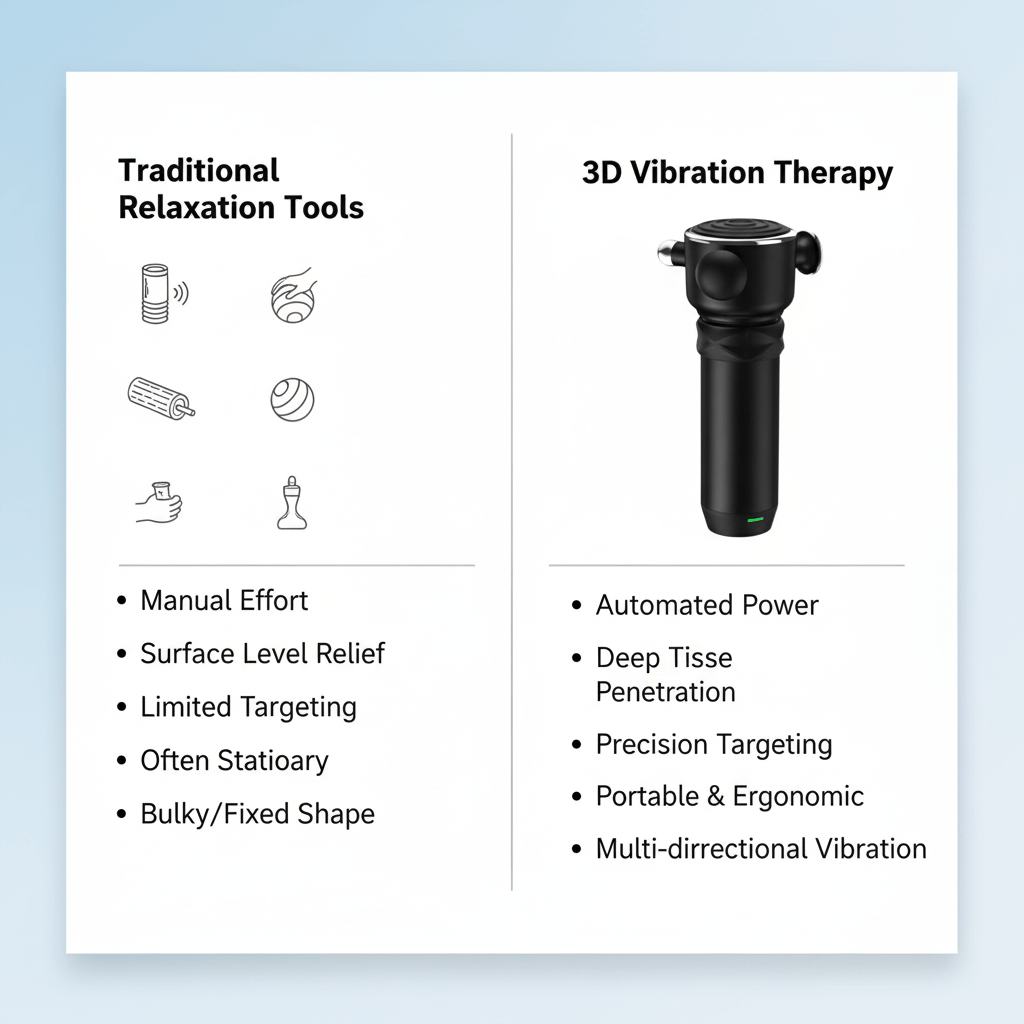
The user experience design5 contributes significantly to retention outcomes. Effective units feature ergonomic grips and intuitive pressure control, allowing members to self-administer targeted therapy. The dual-action mechanism creates a distinctive sensation compared to conventional massage guns—users report deeper tissue engagement without discomfort.
From a retention perspective, these devices serve multiple functions:
- Perceived Value: Positioned as premium recovery technology6
- Differentiation: Sets facilities apart from competitors
- Results: Visible improvements in post-workout mobility
Member feedback consistently highlights the immediate impact on muscle tightness. This tangible benefit creates "recovery habit formation"—members incorporate sessions into their routines, increasing facility attachment. Facilities report 12-18% higher retention among users who access the technology 3+ times weekly. When sourcing, prioritize units with adjustable frequency settings (30/40/50Hz) to accommodate varying user preferences and body regions.
Why High-Frequency Therapy Guns Are the Next Essential Equipment for Gym Profitability?
Equipment investments require clear ROI models. Recovery technology unlocks revenue streams.
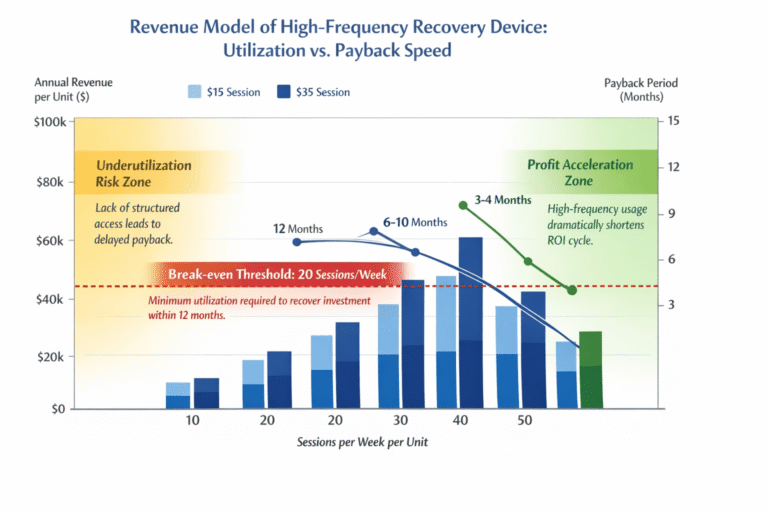
High-Frequency 3D Vibration Therapy1 guns create monetization opportunities7 through tiered memberships, add-on services, and reduced member acquisition costs, typically achieving ROI within 6-9 months at commercial usage levels.

The profitability case rests on three pillars:
- Direct Monetization: Charge $2-5 per session via app integration
- Tiered Access: Include in premium membership packages ($15-30/month uplift)
- Retention Value: Reduce $500+ member replacement costs
| Revenue Strategy | Implementation Cost | Monthly Potential | Break-Even Timeline |
|---|---|---|---|
| Per-Session Fees | NFC/App Integration | $800-$1500/unit | 4-6 months |
| Tiered Memberships | Marketing Only | $1200-$3000/unit | 3-5 months |
| Retention Programs | Existing CRM | $500-$1000/unit | 6-8 months |
Durability directly impacts profitability. Commercial-grade units require hardened steel motor shafts and industrial-grade bearings to withstand 8+ hours daily operation. Sourcing managers should verify mean time between failures (MTBF) ratings exceeding 2000 hours. Units with modular components simplify maintenance—swapping motor modules costs 60-70% less than full replacements. Avoid consumer-grade models; their plastic gear housings fail under commercial loads.
Conclusion
High-Frequency 3D Vibration Therapy1 guns solve gym operational challenges while creating measurable member value and revenue potential through engineered efficiency.
-
Explore how this innovative therapy can enhance recovery and efficiency in gym settings. ↩ ↩ ↩ ↩ ↩ ↩
-
Find insights on optimizing gym operations for better service delivery and member satisfaction. ↩
-
Learn strategies to maximize equipment usage and improve gym profitability. ↩
-
Understand the elements that contribute to a premium service experience for gym members. ↩
-
Explore the importance of user experience design in enhancing gym equipment effectiveness. ↩
-
Learn about the latest advancements in recovery technology and their impact on member experience. ↩
-
Uncover potential revenue streams through innovative recovery services in gyms. ↩