Noise management in recovery environments is now a measurable engineering challenge.
55dB operational sound levels1 represent a critical engineering benchmark for High-Frequency 3D Vibration Therapy devices, directly correlating with motor precision, structural stability, and user comfort in high-traffic recovery settings.

The shift toward sub-60dB operation2 reflects broader industry prioritization of acoustic performance alongside mechanical reliability.
The Sound of Professionalism: How Sub-60dB Operational Noise Transforms High-Traffic Recovery Environments?
Decibel reduction is no longer just about comfort—it’s a technical specification.
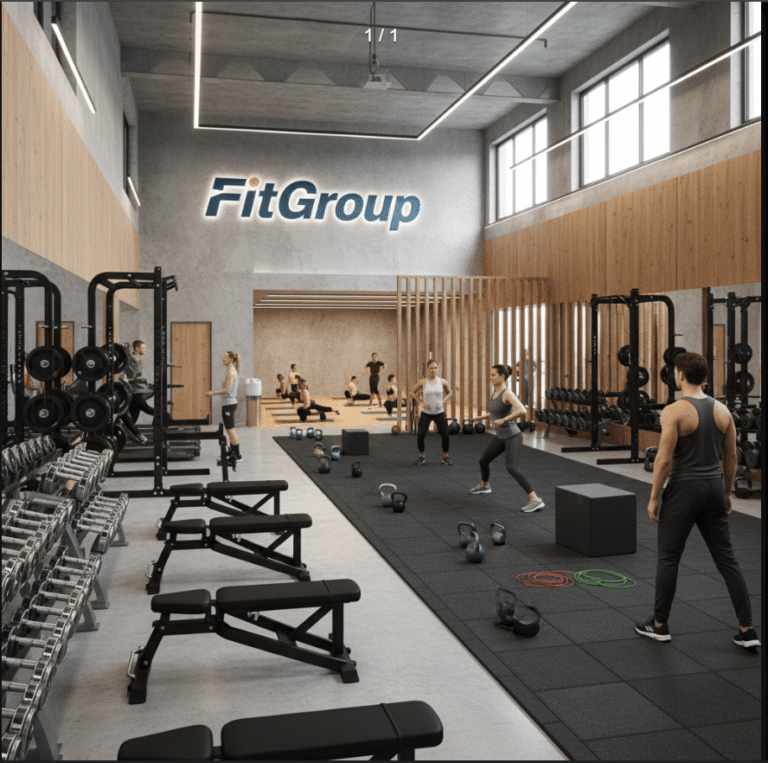
Devices operating below 60dB demonstrate superior motor control3 and reduced mechanical losses, making them ideal for clinics, gyms, and wellness centers where multiple units operate simultaneously.
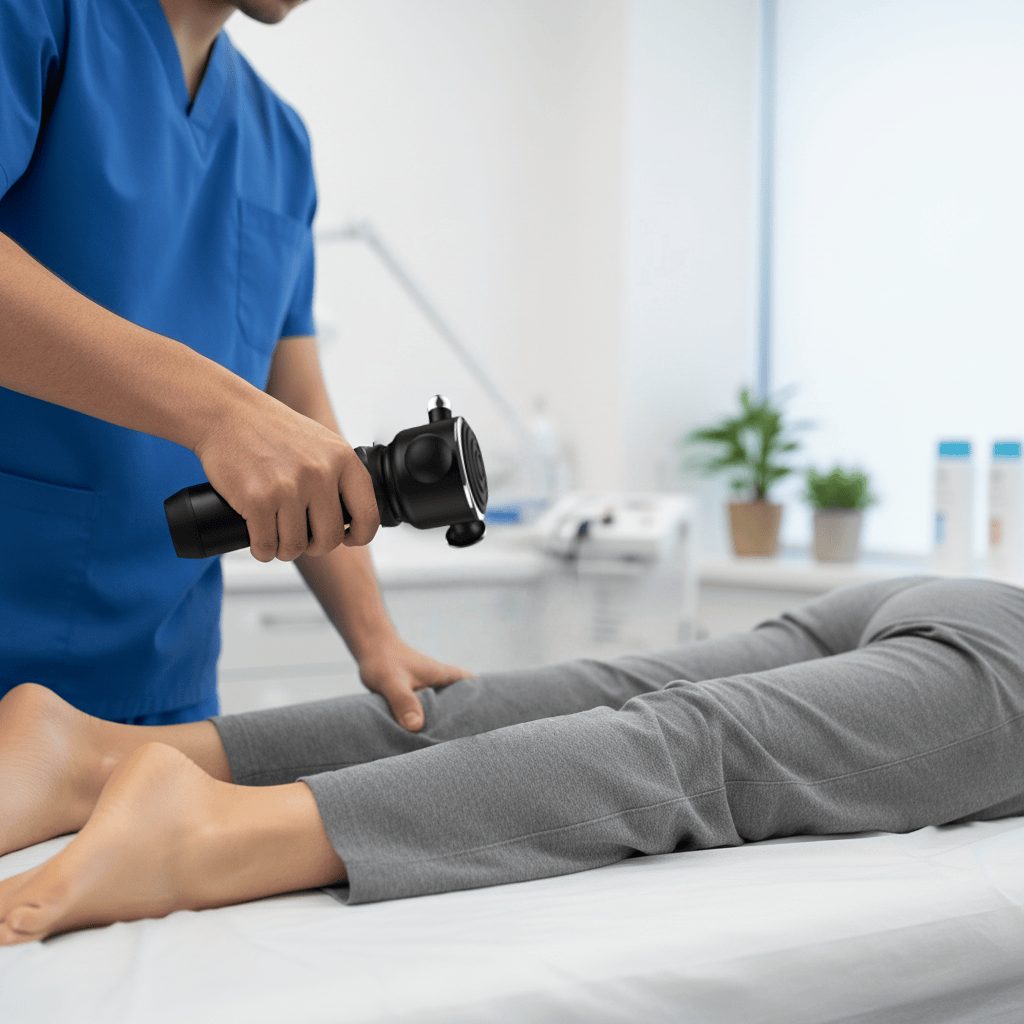
The engineering behind low-noise operation involves three key considerations:
- Motor Design: Brushless DC motors with precision-balanced rotors reduce vibration-induced noise at 100Hz+ frequencies.
- Structural Damping: CNC-machined aluminum housings with internal silicone dampers absorb residual vibrations.
- Bearing Selection: Ceramic hybrid bearings maintain <0.01mm runout tolerance even at 7,500 RPM.
| Component | Noise Contribution | Solution |
|---|---|---|
| Motor | 42% | Torque-optimized winding pattern |
| Gears | 28% | Helical cut with 0.005mm backlash |
| Housing | 20% | 3-layer vibration isolation |
| Airflow | 10% | Computational fluid dynamics-optimized vents |
Friction vs. Silence: Why Lower Decibel Ratings Are a Key Indicator of Motor Precision and Longevity?
Every decibel reduction represents measurable engineering improvements.
A 3dB decrease typically corresponds to 50% less mechanical friction, directly extending bearing life and reducing thermal stress on motor windings.
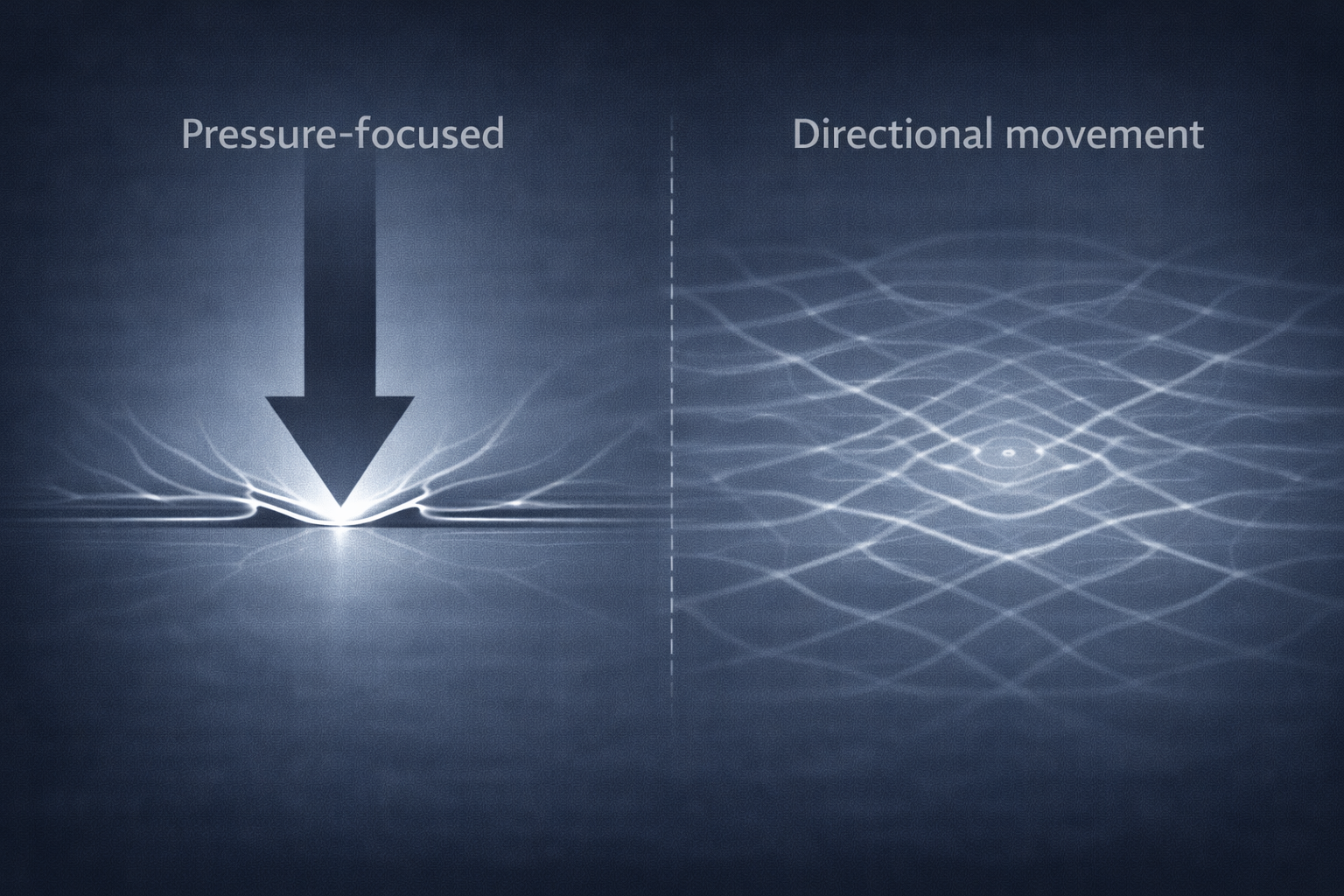
The relationship between noise and durability follows predictable engineering principles:
- Bearing Wear: Each 1dB increase above 55dB correlates with 15% faster lubricant breakdown in ball bearings
- Coil Temperature: Uncontrolled vibrations increase winding temperatures by 8-12°C per 5dB over threshold
- Gear Mesh: Precision-ground helical gears maintain consistent noise profiles for 2,000+ hours versus 800 hours for spur gears
This explains why commercial-grade High-Frequency 3D Vibration Therapy devices now specify:
- ≤55dB at 1m distance
- ±1dB consistency across operating temperature range
- <3% noise increase after 500 hours continuous testing
Strategic Sourcing: Meeting International Workplace Sound Standards for Commercial Recovery Zones?
Compliance isn’t optional in professional environments.
Global workplace regulations increasingly mandate <60dB for recovery equipment, requiring suppliers to provide third-party verified sound test reports with ISO 37444 or ANSI S12.51 certification.
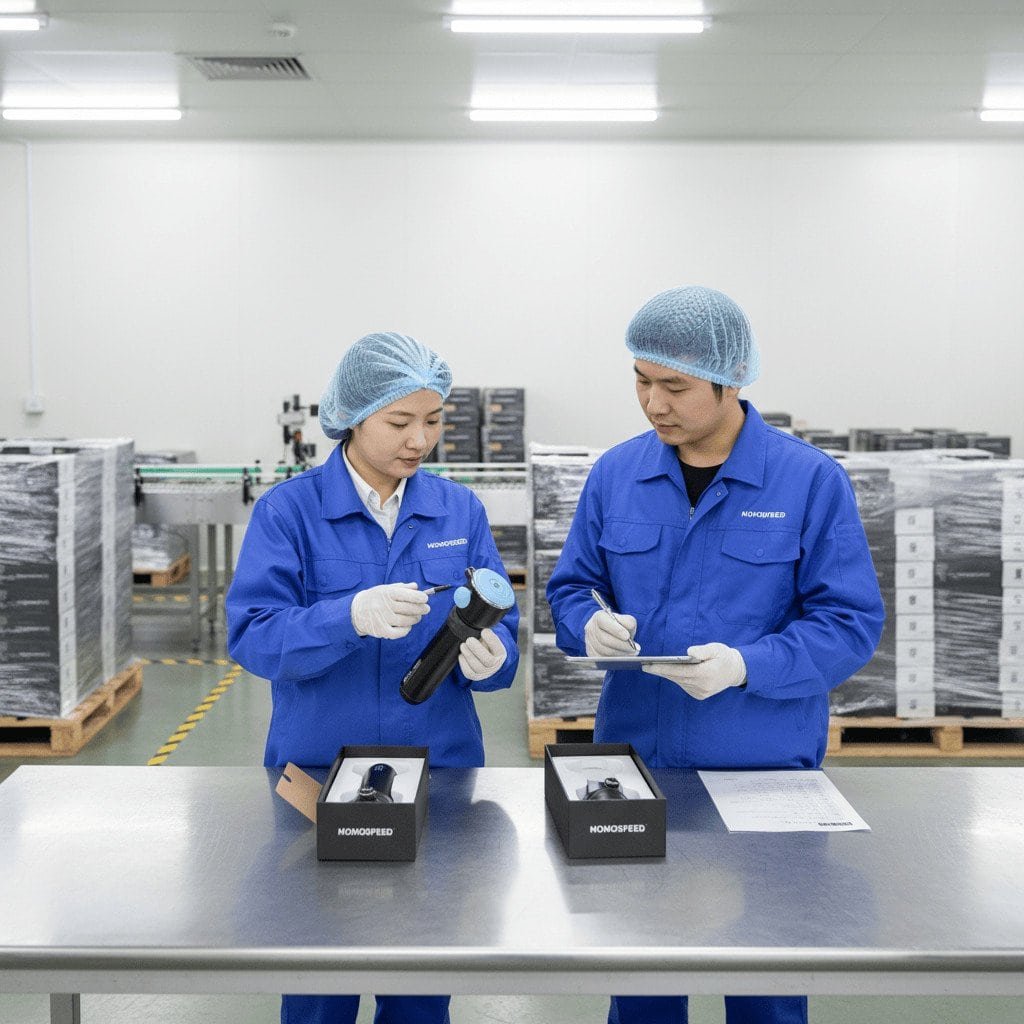
Procurement teams should verify these technical documents:
- Frequency Spectrum Analysis: Shows noise distribution across 20Hz-20kHz range
- Directional Emission Data: Proves consistent performance at all user angles
- Longitudinal Testing: Demonstrates <2dB degradation after simulated 3-year service life
Key compliance benchmarks:
| Standard | Requirement | Test Method |
|---|---|---|
| OSHA | ≤85dB (8hr TWA) | 29 CFR 1910.95 |
| EU Directive | ≤80dB (PPE required above) | 2003/10/EC |
| WELL Building5 | ≤55dB (recovery spaces) | Feature 74 |
Conclusion
55dB operation has transitioned from comfort feature to engineering necessity—the new baseline for professional-grade High-Frequency 3D Vibration Therapy equipment in compliant recovery environments.
-
Explore how 55dB sound levels enhance patient comfort and safety in rehabilitation settings. ↩
-
Learn about the significance of low noise levels for improving recovery experiences in clinics and gyms. ↩
-
Discover the connection between motor control and noise reduction for better device performance. ↩
-
Learn about ISO 3744 standards and their role in ensuring compliance for recovery equipment. ↩
-
Discover how WELL Building standards promote healthier environments through noise management. ↩