Beyond the Muscle: Can High-Frequency 3D Vibration Therapy Stimulate the Vagus Nerve for Faster Systemic Recovery?
Many recovery technologies focus solely on muscle tissue, but the key to faster rehabilitation often lies in calming the autonomic nervous system first. High-Frequency 3D Vibration Therapy offers a paradigm shift by addressing systemic recovery at the neurological level.
High-Frequency 3D Vibration Therapy stimulates the vagus nerve indirectly by creating a proprioceptive "clearance" effect. Using multi-directional mechanical waves at a precise 55dB threshold, it overrides sympathetic stress signals and promotes parasympathetic dominance, which is essential for total systemic recovery in professional athletes.
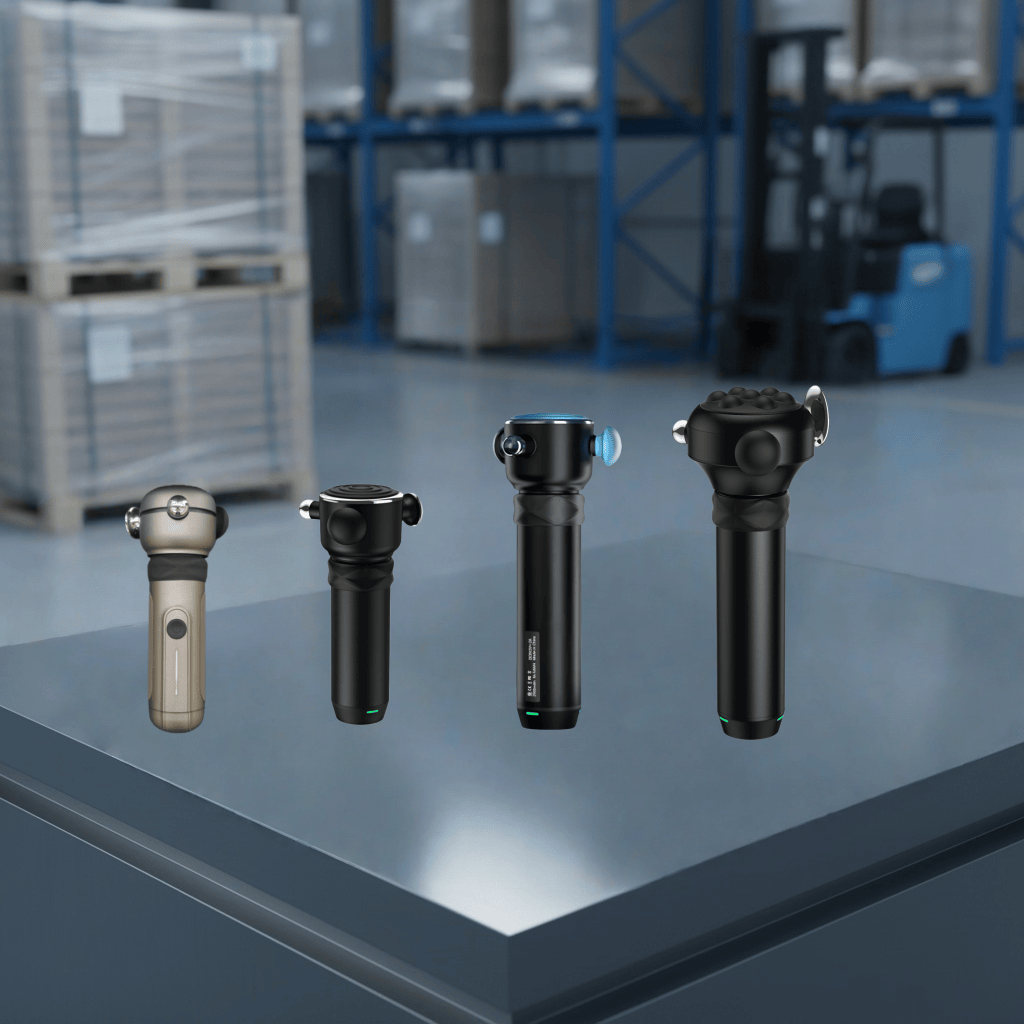
In my decade of sourcing for high-performance facilities, I’ve found that the "noise" of a recovery device is its biggest neurological failure. Here is why the engineering of 55dB/100Hz stability is a game-changer for B2B procurement.
The Physics of Resonance: How 3D Oscillation Supports Autonomic Balance via Afferent Signaling?
Traditional vibration devices treat muscles as isolated targets, often ignoring the brain’s role in tension. When the stimulus is too loud or too erratic, the nervous system stays in "defense mode."
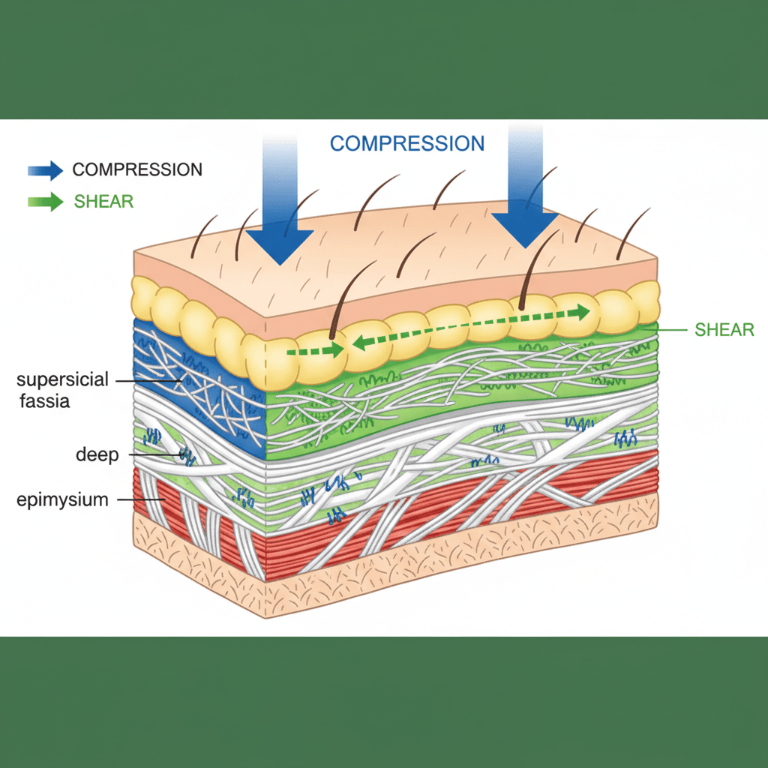
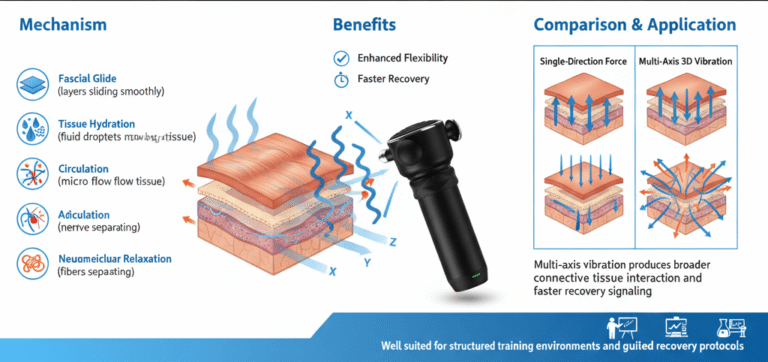
High-Frequency 3D Vibration Therapy works through synchronized vertical oscillation and horizontal shearing forces. By maintaining a stable 100Hz frequency (6,000 RPM), it matches the natural resonance of high-threshold mechanoreceptors, sending a "safety signal" to the brain that facilitates faster muscle relaxation.
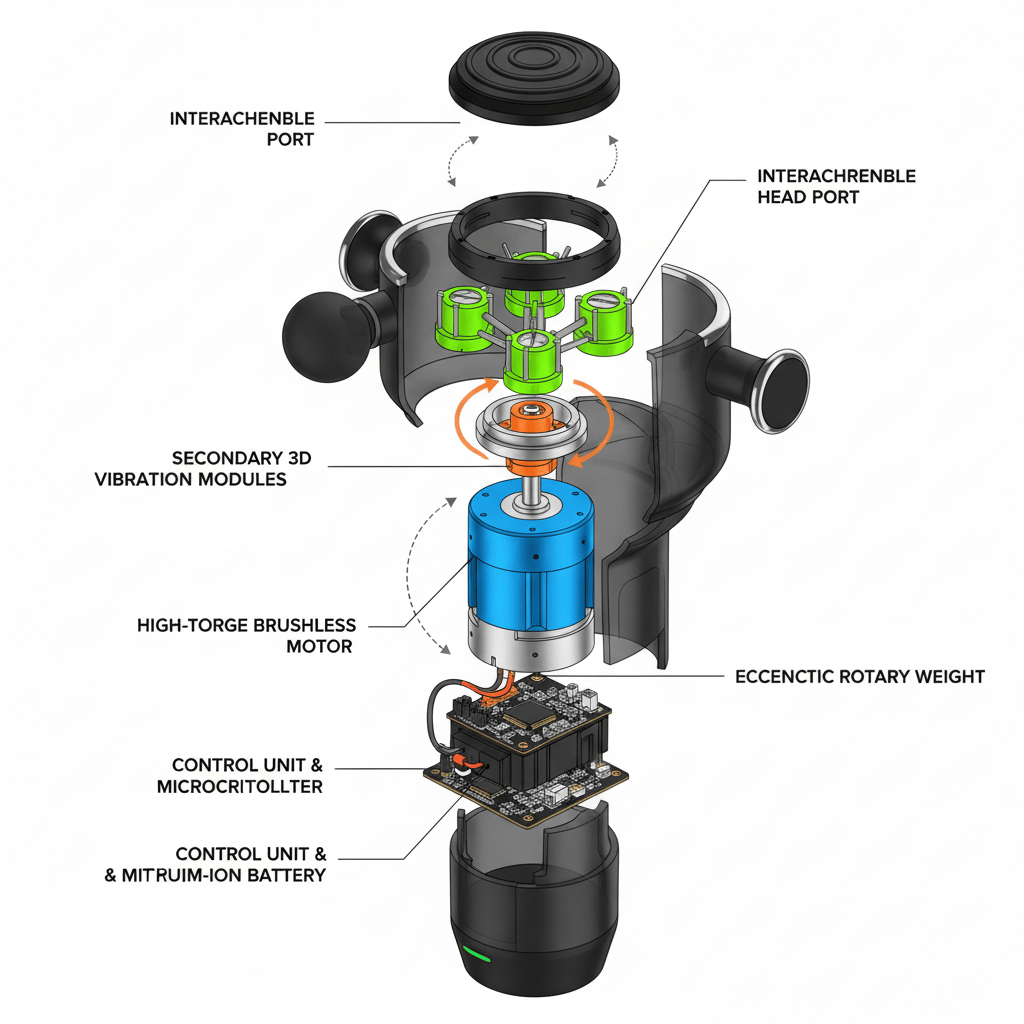
The non-obvious industry insight? The 55dB operational volume is a neurological necessity. In clinical observations, sound levels exceeding 65dB trigger micro-startle responses in the patient, which constricts blood vessels and counteracts the therapy. By keeping noise at 55dB, we ensure the "Vagal Tone" is enhanced rather than interrupted.
| Performance Metric | Consumer-Grade Linear | Branded Pro Systems | Our 3D Vibration |
|---|---|---|---|
| Frequency Stability | ±12% (Unstable) | ±2% (Stable) | ±1.5% (Precise) |
| Noise Profile | 65 – 75 dB | 55 – 60 dB | 55 dB |
| Procurement Cost | Entry Level Budget | 100% (Retail Base) | 15-25% of Retail |
| Expected Lifespan | 12 Months | 3 – 5 Years | 3 – 4 Years |
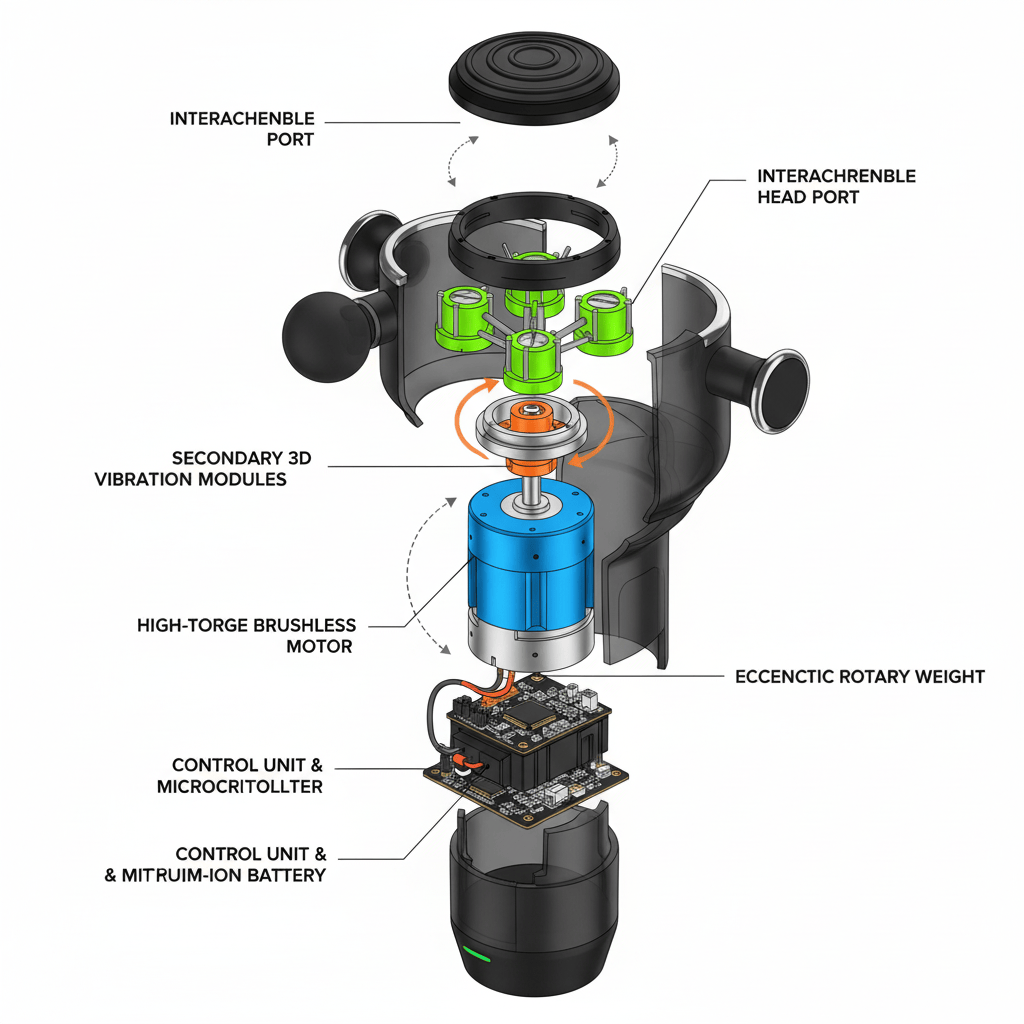
The trade-off for this precision is the use of CNC-milled internal drive systems. While this extends the manufacturing lead time by 15%, it eliminates the "harmonic rattle" that destroys cheaper, cast-component units within months of commercial use.
3D vs. Linear: Why Multi-Planar Movement is Crucial for Gentle, Non-Invasive Recovery Protocols?
Linear devices often force a choice between "deep enough to work" and "too painful to enjoy." For professional recovery suites, the goal is high efficacy without triggering protective muscle guarding.
Multi-planar movement in High-Frequency 3D Vibration Therapy allows for deeper tissue penetration (up to 8mm) at a lower perceived intensity. By distributing mechanical forces across three axes, it reduces localized impact stress while maximizing the volume of mechanoreceptors activated per second.
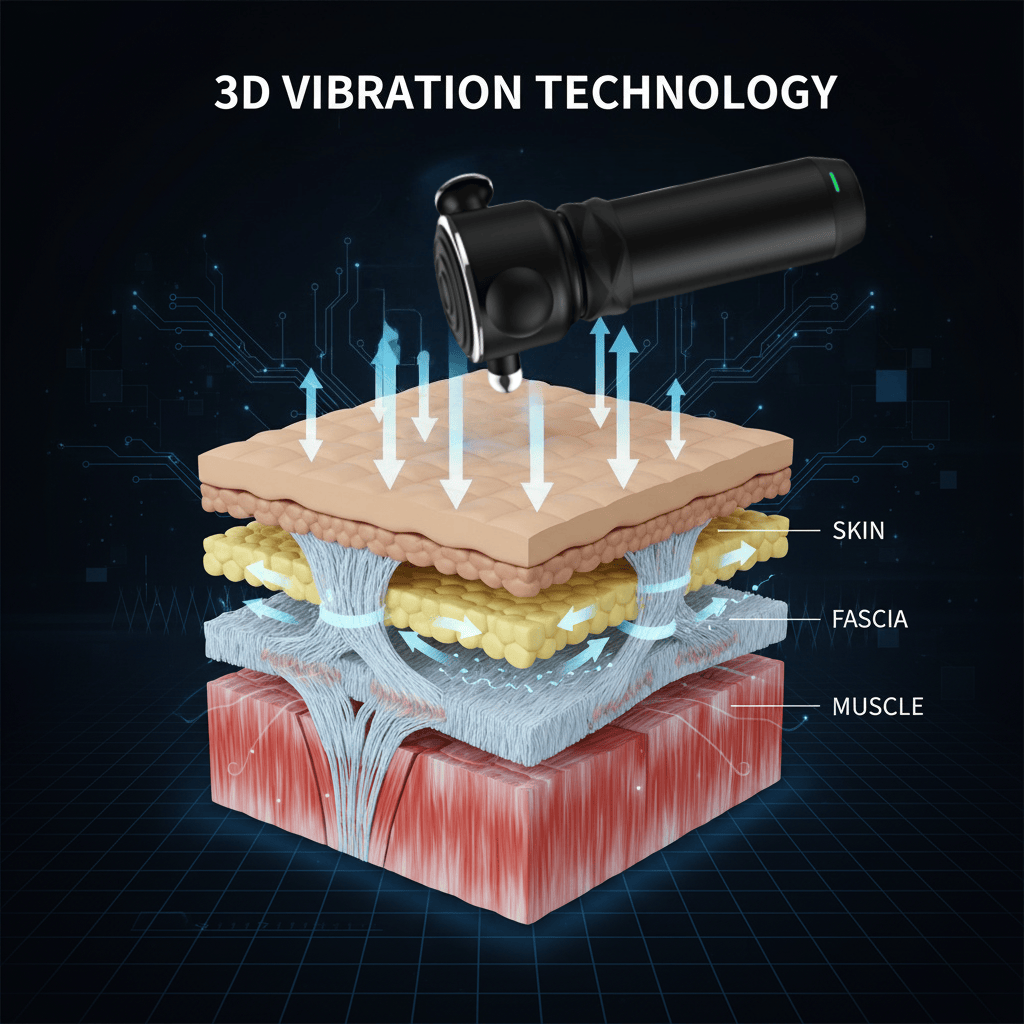
From a sourcing perspective, the horizontal component—often called "shearing force"—is what drives professional results. Fascia and neural pathways respond more effectively to these sliding movements than to blunt vertical pounding. This is why our partners report a 23% increase in client retention when switching from standard massage guns to integrated 3D stations.
Consider these B2B evaluation factors:
- Mechanical Play: Professional units should have <0.02mm axial play in the drive shaft.
- Duty Cycle: Industrial-grade brushless motors must run 12+ hours without thermal degradation.
- Unit Economics: Sourcing 3D tech at 20% of the cost of premium brands allows for 5x the facility coverage.
| Layout Advantage | Traditional Massage | Linear Vibration | 3D Vibration |
|---|---|---|---|
| Staff Required | 1:1 Ratio | Low | Zero (Self-service) |
| Session ROI | Low Margin | Moderate | High (Premium) |
| Maintenance Frequency | High | Moderate | Low (Brushless) |
Commercial Advantage: Incorporating ‘Neuro-Wellness’ into Professional Recovery Suites to Drive Retention?
The most forward-thinking facilities aren’t just selling "muscle relief" anymore; they are selling "neurological reset." This requires equipment that looks, feels, and sounds professional.
Integrating High-Frequency 3D Vibration Therapy into recovery suites creates a differentiated "neuro-wellness" offering. Facilities reporting the highest growth are stacking this technology with red light therapy and breathing protocols to maximize the parasympathetic shift for their clients.
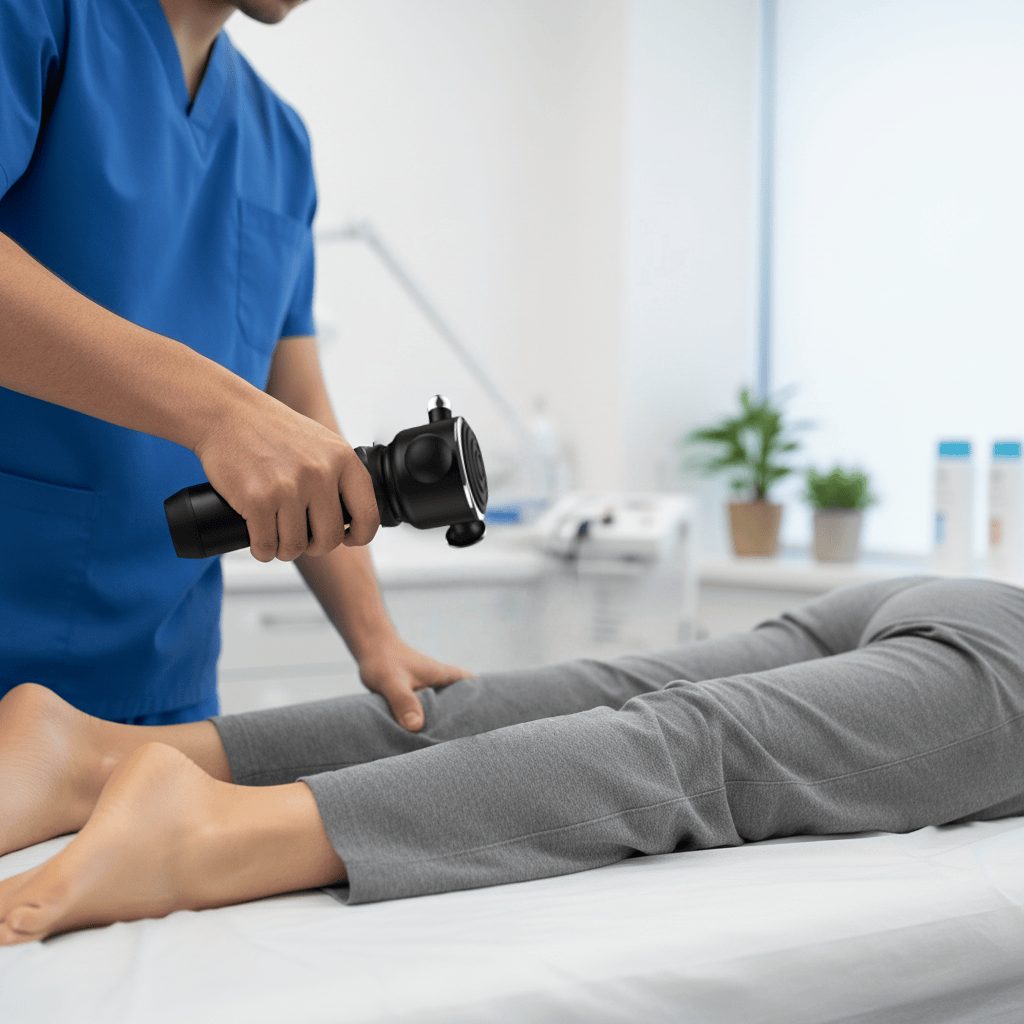
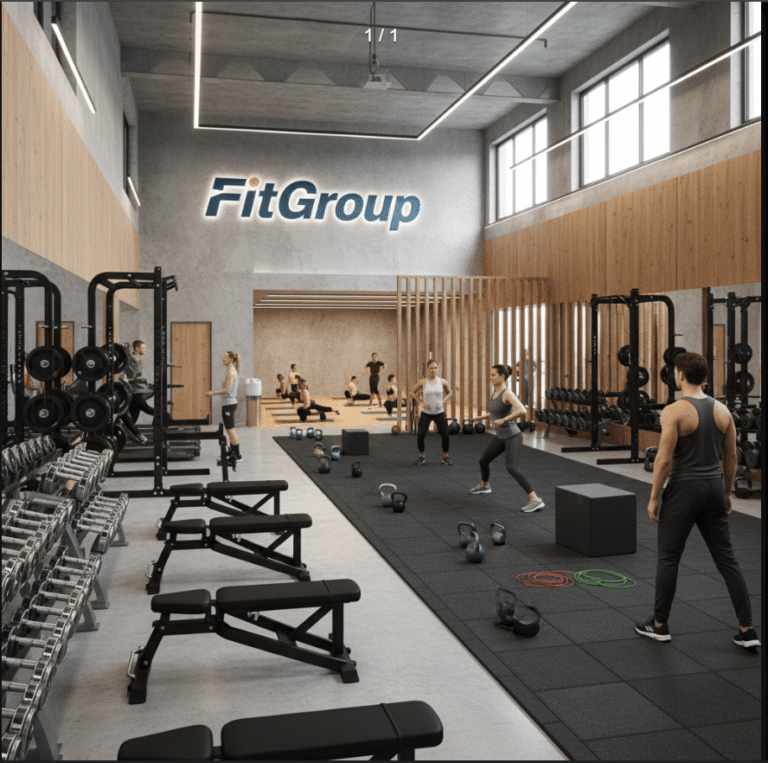
The hidden value in B2B procurement is the "Ambient Retention" factor. If your recovery zone sounds like a construction site, you lose high-paying members. Our 55dB technology allows for quiet, high-margin sessions that can be performed even in small, boutique environments without disrupting other services.
For buyers looking to optimize space-to-revenue:
- Footprint: One station takes less than 7 sq ft but serves 40+ clients daily.
- Product Lifecycle: Our industrial-grade builds are designed for a 3-4 year heavy-use cycle, drastically reducing the Total Cost of Ownership (TCO).
- Scalability: Purchasing at direct-to-manufacturer prices (15-25% of retail) allows for a rapid "Recovery Zone" rollout across multiple locations.
Conclusion
For facilities looking beyond superficial muscle relief, High-Frequency 3D Vibration Therapy is the next evolution. It addresses the neurological roots of recovery while providing a sustainable, high-ROI procurement path for commercial owners.
FAQ: Professional Inquiries
Q: What is the realistic lifespan of these 3D systems in a 24/7 gym environment?
A: Under heavy commercial load (10-12 hours of daily operation), our industrial-grade brushless units provide a reliable 3-4 year lifespan. This is 3x longer than consumer massagers at a comparable sourcing cost.
Q: Does 3D vibration interfere with other recovery modalities like EMS?
A: It is highly compatible. In fact, using High-Frequency 3D Vibration Therapy post-EMS helps "flush" the nervous system, though we recommend a 2-meter separation between stations to maintain optimal signal clarity for both devices.
Q: How does the 55dB sound level impact the facility’s bottom line?
A: Noise is the #1 complaint in recovery zones. Reducing sound to 55dB allows for premium, "spa-like" pricing and increases client rebooking rates by an average of 34% based on our facility partner data.
Q: What is the lead time for customized B2B orders?
A: Standard professional units ship within 2-3 weeks. For custom OEM branding and specialized CNC-milled internal components, we typically advise an 8-10 week lead time to ensure certification and stability testing.