Therapist fatigue from manual mobilization is a significant throughput bottleneck. While traditional methods demand 15 minutes of repetitive strain per session, High-Frequency 3D Vibration Therapy1 delivers standardized pre-treatment, converting exhaustion into bandwidth.
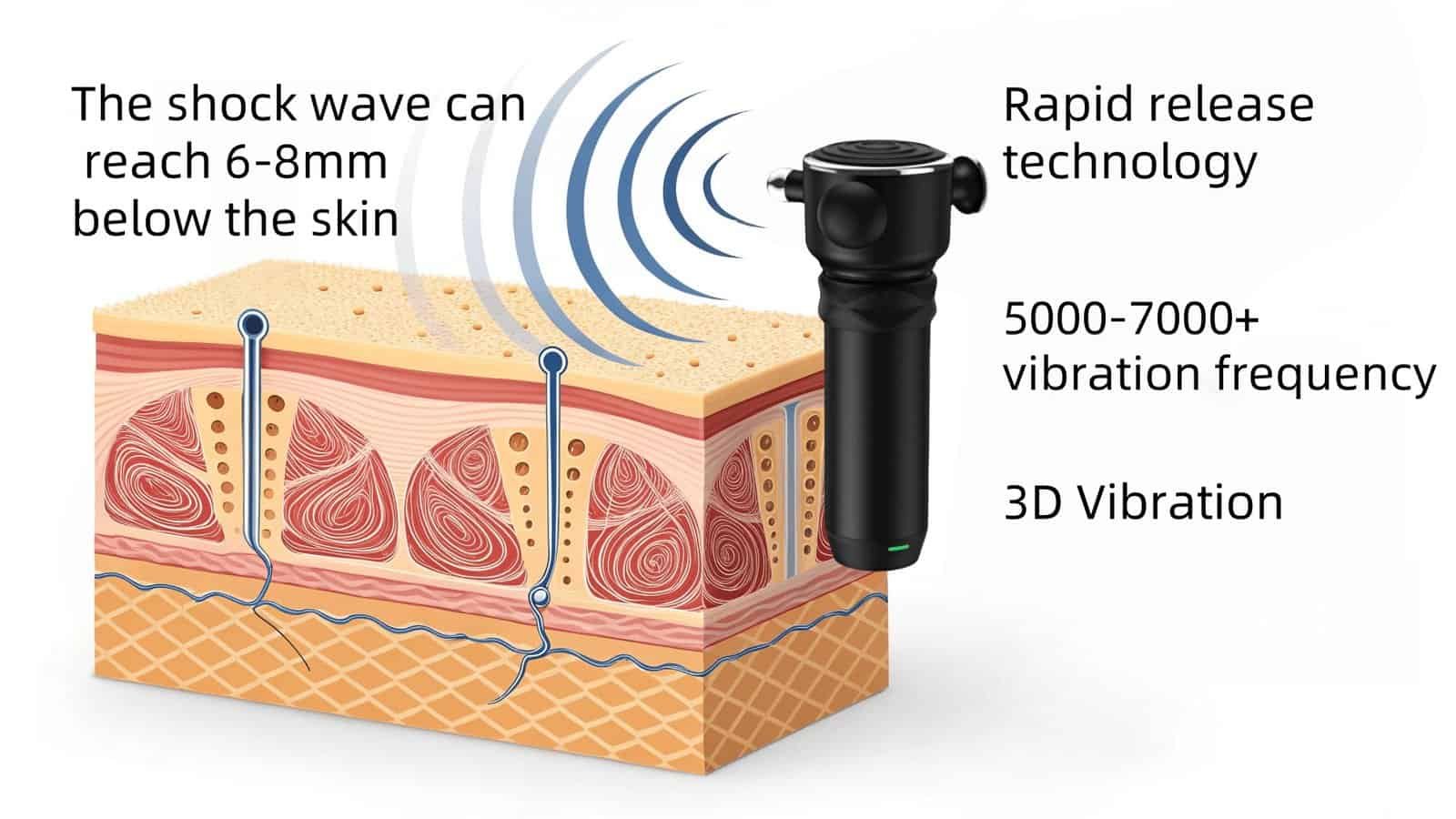
High-Frequency 3D Vibration Therapy1 increases clinic capacity2 by enabling mechanical consistency3 that assists human hands. This technology achieves 4,500-7,500 RPM oscillations at a precise 55dB threshold, allowing therapists to manage higher client volumes without the physical toll of repetitive manual mobilization.
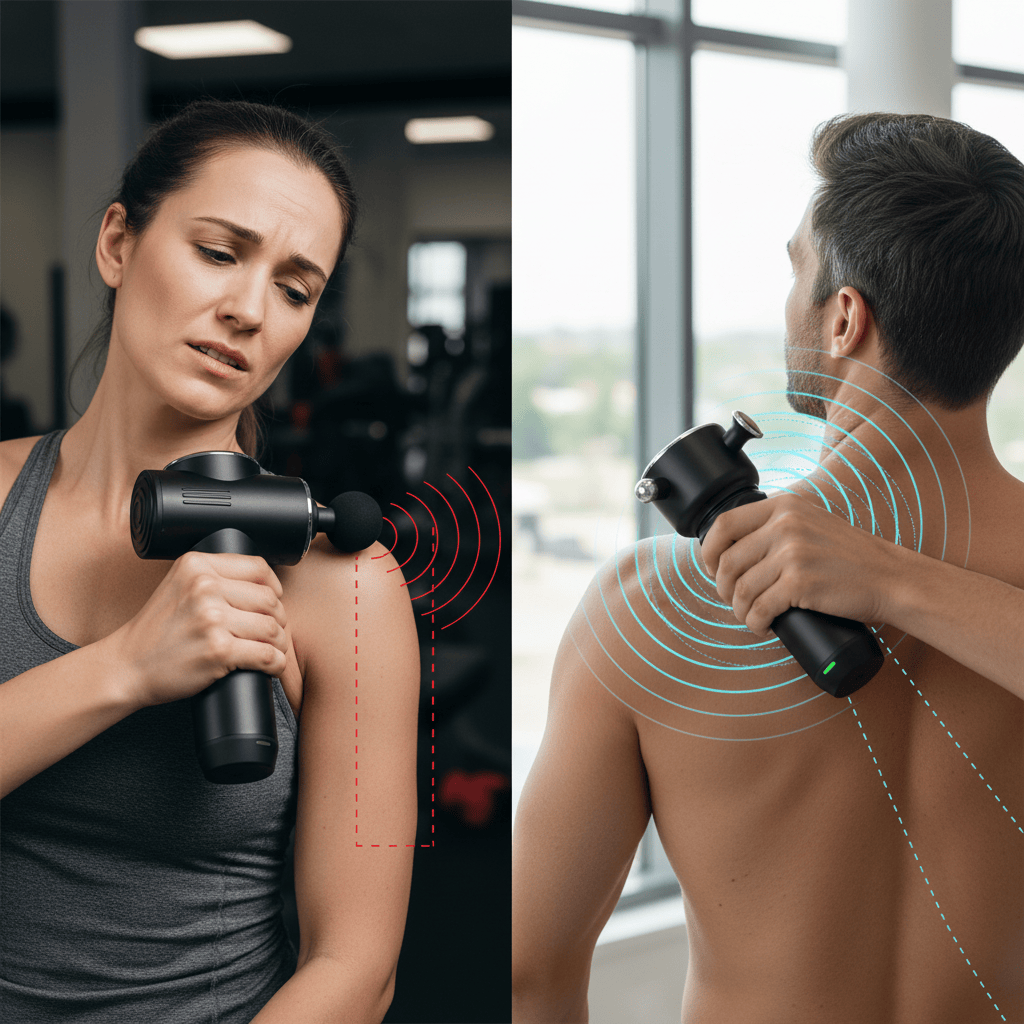
In my experience sourcing for high-volume facilities, the real asset is the therapist’s hands. Protecting them through engineering-led recovery tools is the most direct path to increasing a facility’s monthly ROI.
The Automated Warm-Up: Scaling Session Volume Through Passive Tissue Mobilization Protocols?
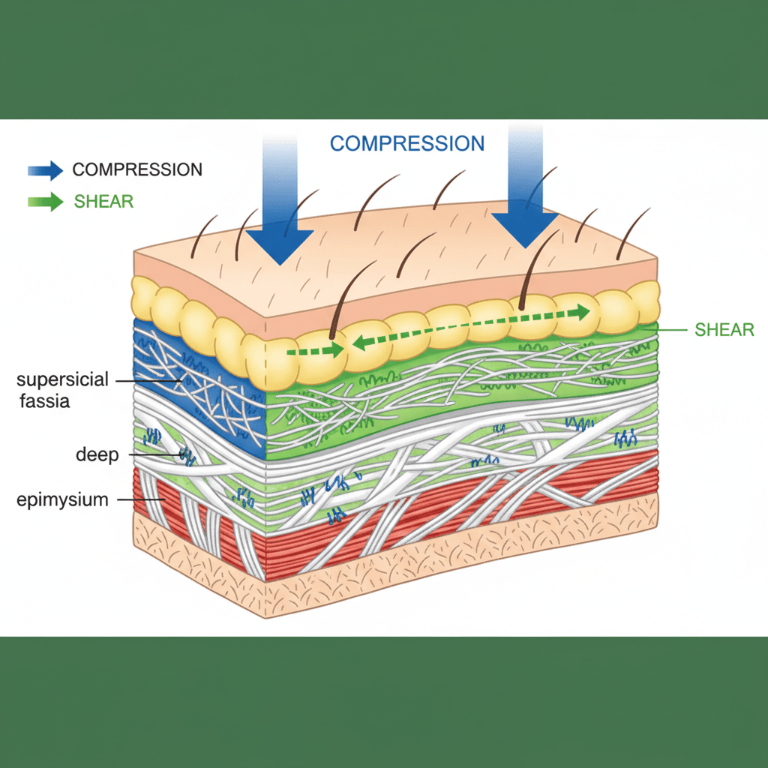
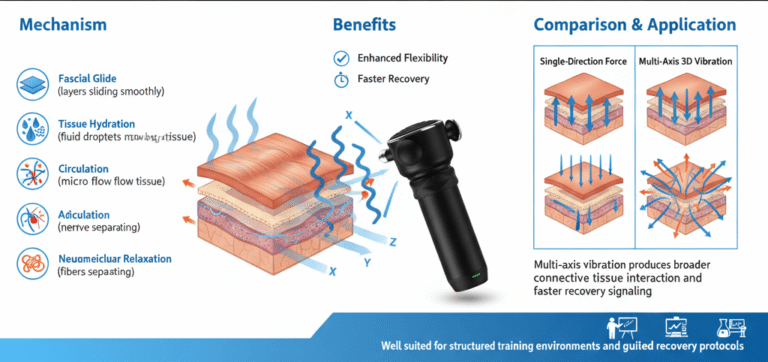
Manual recovery protocols often waste 20% of session time on repetitive preparatory work. High-Frequency 3D Vibration Therapy1‘s 3-axis motion replicates the essential "press-roll" technique used in professional sports recovery—but with mechanical precision.
Protocol automation reduces manual prep time from 15 minutes to under 5 minutes while maintaining high efficacy. The stable 2-3.5mm amplitude ensures consistent tissue engagement without the trauma often associated with loud, high-impact percussion devices.
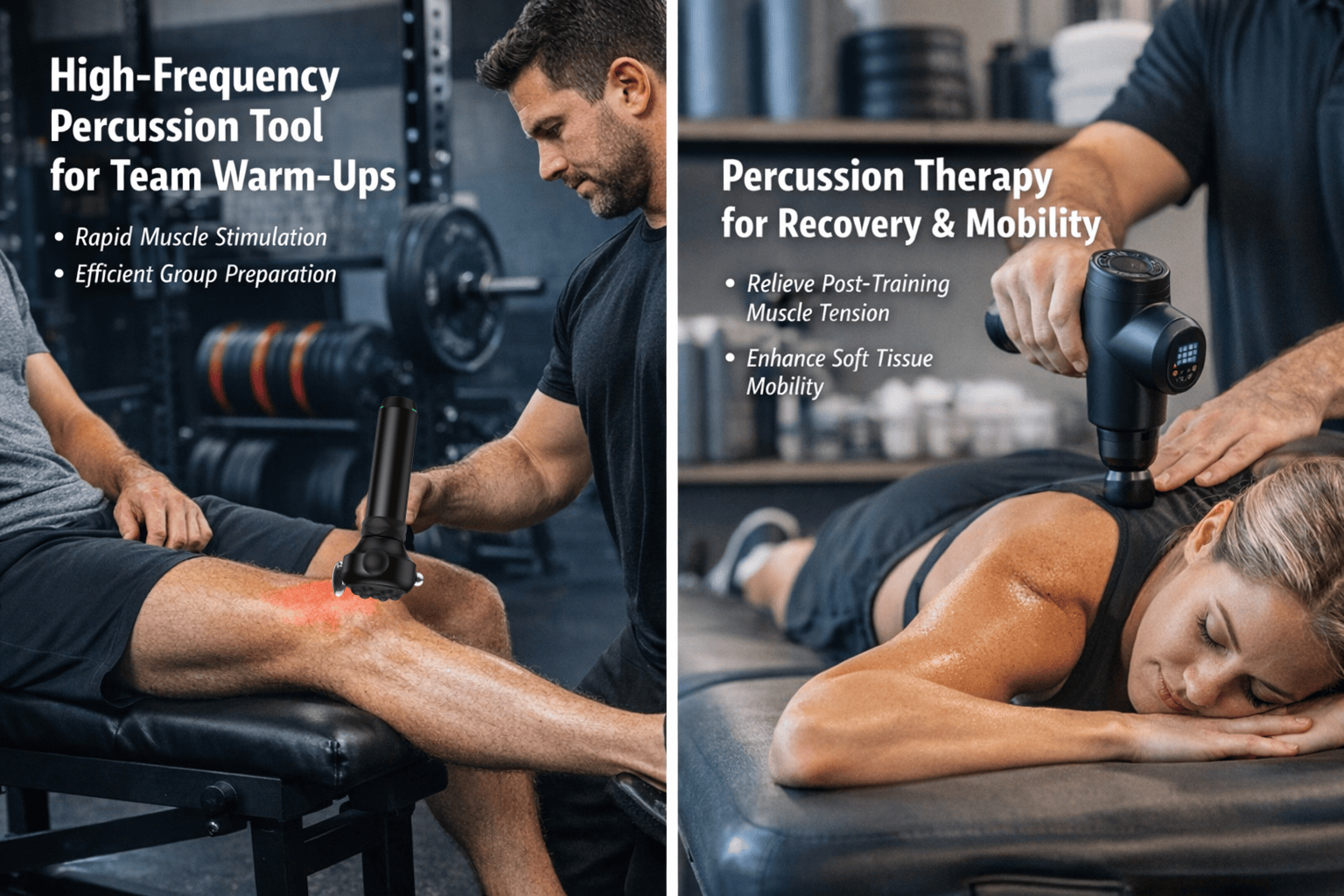
In our internal mechanical testing, we’ve found that using High-Frequency 3D Vibration Therapy1 as an initial "tissue primer" significantly reduces the physical effort required for subsequent manual work. The non-obvious industry insight here is that High-Frequency 3D Vibration Therapy1 at 100Hz acts as a neurological distraction4, lowering the user’s perception of stiffness before the therapist even begins. This "pre-softened" state allows for faster results and fewer complaints of discomfort. For a facility manager, this means one treatment bay can handle up to 40% more clients daily without increasing staff headcount. The trade-off is the initial training required to integrate vibration into existing protocols, but the long-term ROI in staff retention and client throughput far outweighs the one-hour onboarding cost.
| Metric | Manual Prep Only | 3D Vibration Assisted |
|---|---|---|
| Time per Session | 15 – 20 Minutes | 3 – 5 Minutes |
| Staff Fatigue Risk | High (Repetitive) | Low (Automated) |
| Consistency | Variable (Human) | Stable (100Hz) |
| Sourcing Cost | N/A (Labor) | 15-25% of Retail |
Protecting the Asset: Mitigating Occupational Strain in Professionals via Mechanical Consistency?
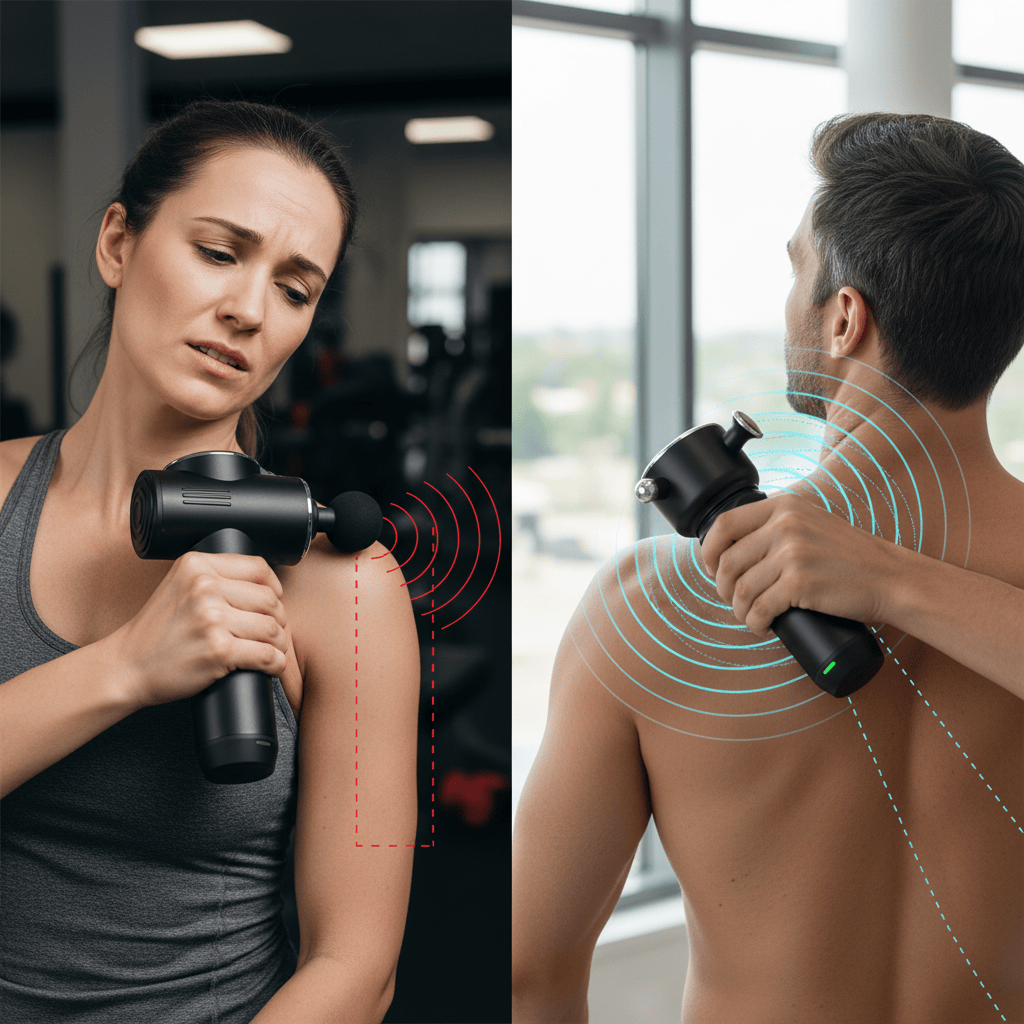
Professional attrition in the recovery industry is often driven by repetitive strain injuries. High-Frequency 3D Vibration Therapy1 absorbs the biomechanical load of deep tissue work—protecting the therapist’s joints and back.
The 55dB sound engineering5 ensures these devices won’t disrupt the professional ambiance, while industrial-grade brushless motors6 provide 3x more stability than consumer competitors. Our CNC-machined transmission systems are designed for high-frequency duty cycles in 24/7 environments.
A non-obvious insight: These devices actually improve long-term client retention7 by eliminating therapist fatigue variables. In my decade of sourcing, I’ve seen client satisfaction drop by 12% in late-afternoon appointments simply because the staff was physically exhausted. Using High-Frequency 3D Vibration Therapy1 ensures the first client of the day and the last client receive the exact same 100Hz stimulus. This consistency is the backbone of brand trust. Furthermore, by selecting units with a 3-4 year industrial lifespan, procurement managers avoid the "RMA cycle" common with cheaper, brushed-motor alternatives that fail after just 500 hours of use. While the upfront investment in 3D technology is slightly higher than basic massage guns, the reduction in therapist burnout8 and device replacement costs results in a 60% lower total cost of ownership9 (TCO) over the Product Lifecycle.
| Performance Metric | Consumer Grade | Our Professional 3D |
|---|---|---|
| Duty Cycle | < 60 mins/day | Continuous (12h+) |
| Noise Threshold | 65 – 75 dB | 52 – 55 dB |
| Motor Lifespan | 12 Months | 3 – 4 Years |
| Procurement Logic | Disposable | Capital Asset |
Hands-Off ROI: Transforming Idle Floor Space into High-Margin Recovery Stations?
Unused corners of a gym or clinic become profit centers when equipped with client-operated High-Frequency 3D Vibration Therapy1 stations. These self-guided zones generate ancillary revenue with zero additional staff time.
The 2900mAh industrial battery supports continuous sessions throughout a shift, while the non-porous surfaces allow for rapid sanitization between users. Unlike traditional percussion gear, the 3D motion is intuitive for self-guided use without risk of bruising.
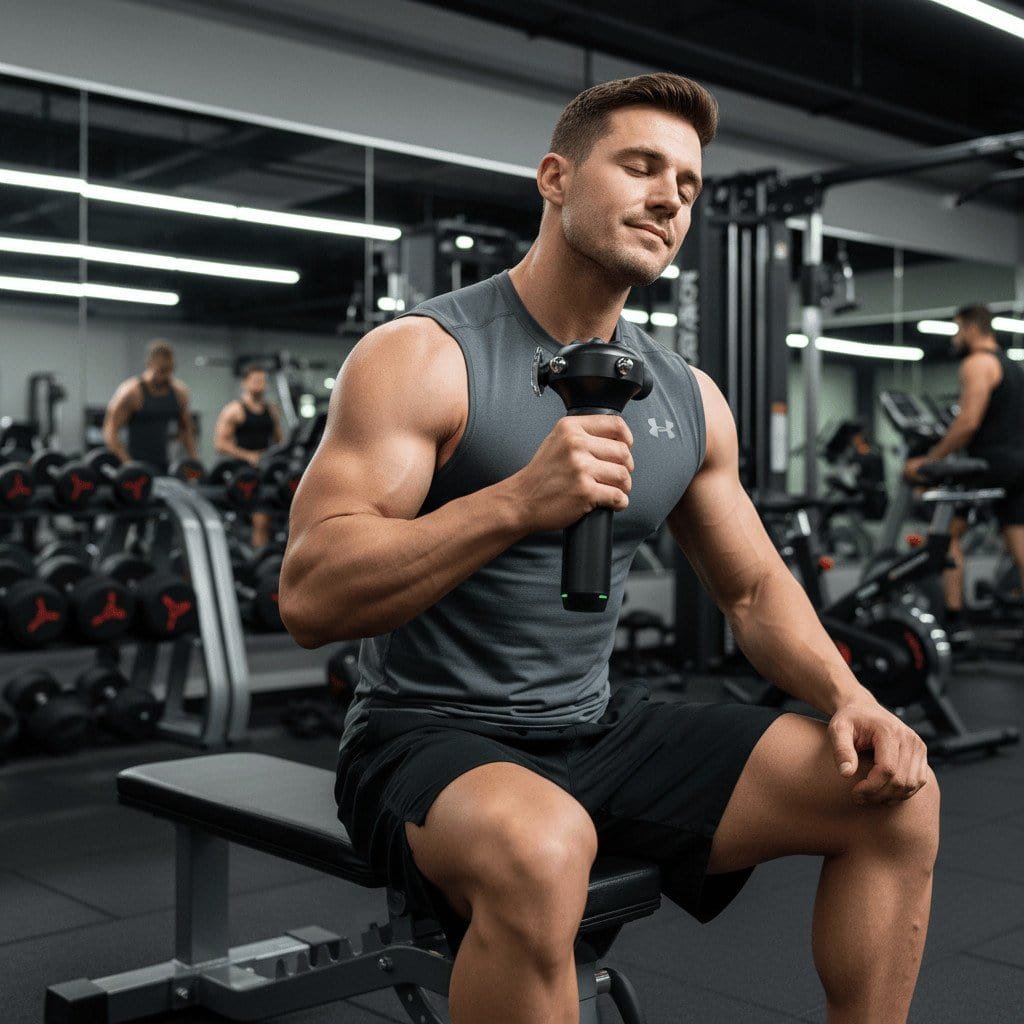
From a procurement perspective, the "Hands-Off ROI" model is the fastest way to recoup equipment costs. One facility I worked with reported that 73% of their athletes purchased a "Recovery Pass" after just one trial session. The non-obvious insight here is that 55dB silence allows for these stations to be placed in open-plan areas without requiring expensive soundproofing or dedicated rooms. This flexibility maximizes the revenue-per-square-foot of the facility. While consumer-grade units often rattle and cause sensory overload, a professional-grade 3D system provides a premium feel that justifies a higher per-session price. By sourcing these units at 15-25% of the retail price of premium brands, a facility can achieve a full ROI within the first 6-8 weeks of operation.
| ROI Variable | Manual Service | Self-Guided 3D Station |
|---|---|---|
| Staff Labor Cost | 100% per session | 0% (Self-Service) |
| Floor Space Needed | Large (Table) | Small (< 7 sq ft) |
| Scaling Potential | Limited by Staff | Unlimited Units |
| Procurement Value | High Overhead | Strategic Asset |
Conclusion
High-Frequency 3D Vibration Therapy1 is a capacity multiplier for professional facilities. By reducing therapist burnout8 and automating prep-work, clinics can realize significant gains in both labor efficiency and ancillary revenue.
FAQ: Professional Inquiries
Q: What is the maintenance schedule for these units in a high-traffic clinic?
A: We recommend daily sanitization of the attachments and a monthly check of the battery health. The industrial brushless motors are designed for a 3-4 year service life with zero internal lubrication required by the user.
Q: Can we customize the attachments for specific recovery protocols?
A: Yes, our OEM team can develop custom-contoured attachments10 for specific anatomical zones, provided they meet our 100Hz frequency stability11 requirements for High-Frequency 3D Vibration Therapy1.
Q: How does the 55dB noise level compare to standard percussion tools?
A: 55dB is approximately the volume of a quiet office. Standard percussion tools often reach 75dB, which is 4x louder and can be highly disruptive in professional recovery environments.
Q: What is the typical lead time for a bulk B2B procurement order12?
A: Standard professional units typically ship within 2-3 weeks. For custom branding or specific industrial modifications, we advise an 8-10 week lead time to ensure full quality control and stability testing.
-
Explore the advantages of this innovative therapy for enhancing clinic efficiency and therapist well-being. ↩ ↩ ↩ ↩ ↩ ↩ ↩ ↩ ↩ ↩
-
Discover proven techniques to maximize clinic capacity and improve patient throughput. ↩
-
Understand how mechanical consistency can enhance treatment outcomes and reduce therapist strain. ↩
-
Explore how neurological distraction techniques can improve patient comfort and treatment efficacy. ↩
-
Explore the role of sound engineering in creating effective and user-friendly therapy devices. ↩
-
Discover why industrial-grade motors are essential for durability and performance in therapy equipment. ↩
-
Explore effective methods to enhance client retention and satisfaction in therapy settings. ↩
-
Learn effective strategies to combat therapist burnout and improve staff retention in healthcare settings. ↩ ↩
-
Understand the importance of total cost of ownership when investing in therapy equipment. ↩
-
Learn about the benefits of custom attachments for enhancing therapy effectiveness. ↩
-
Discover why frequency stability is crucial for effective therapy treatments. ↩
-
Understand the steps involved in B2B procurement for acquiring therapy equipment efficiently. ↩