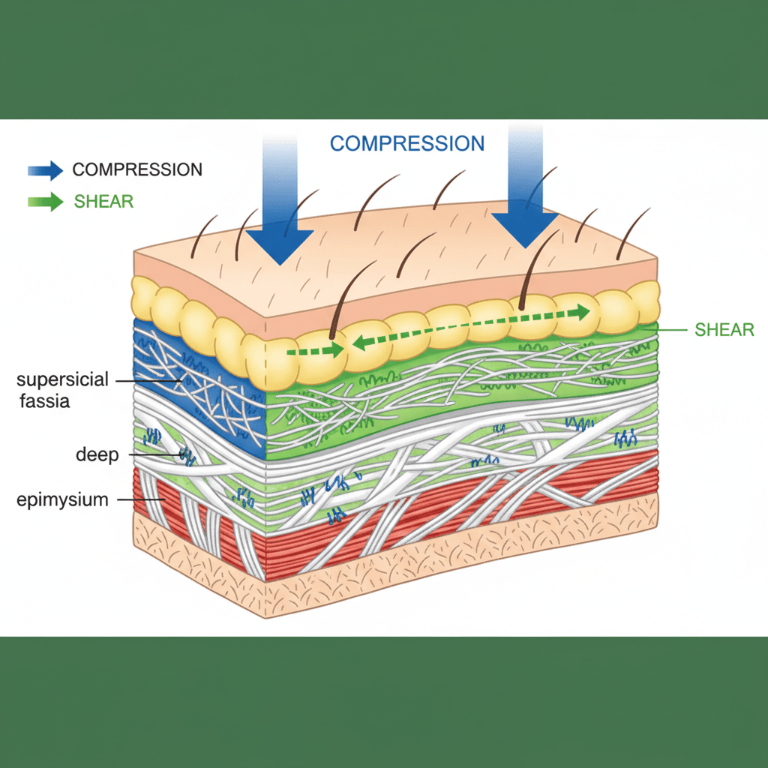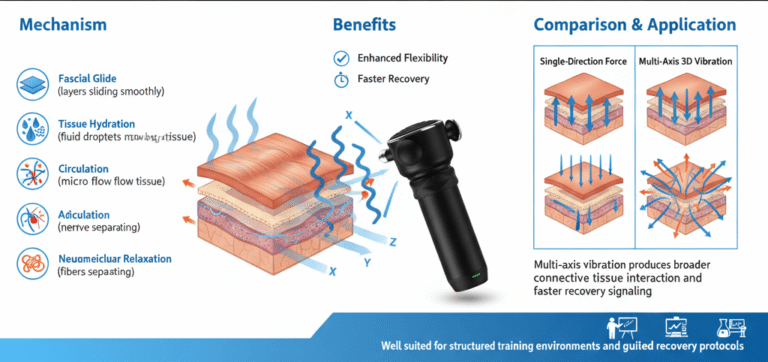
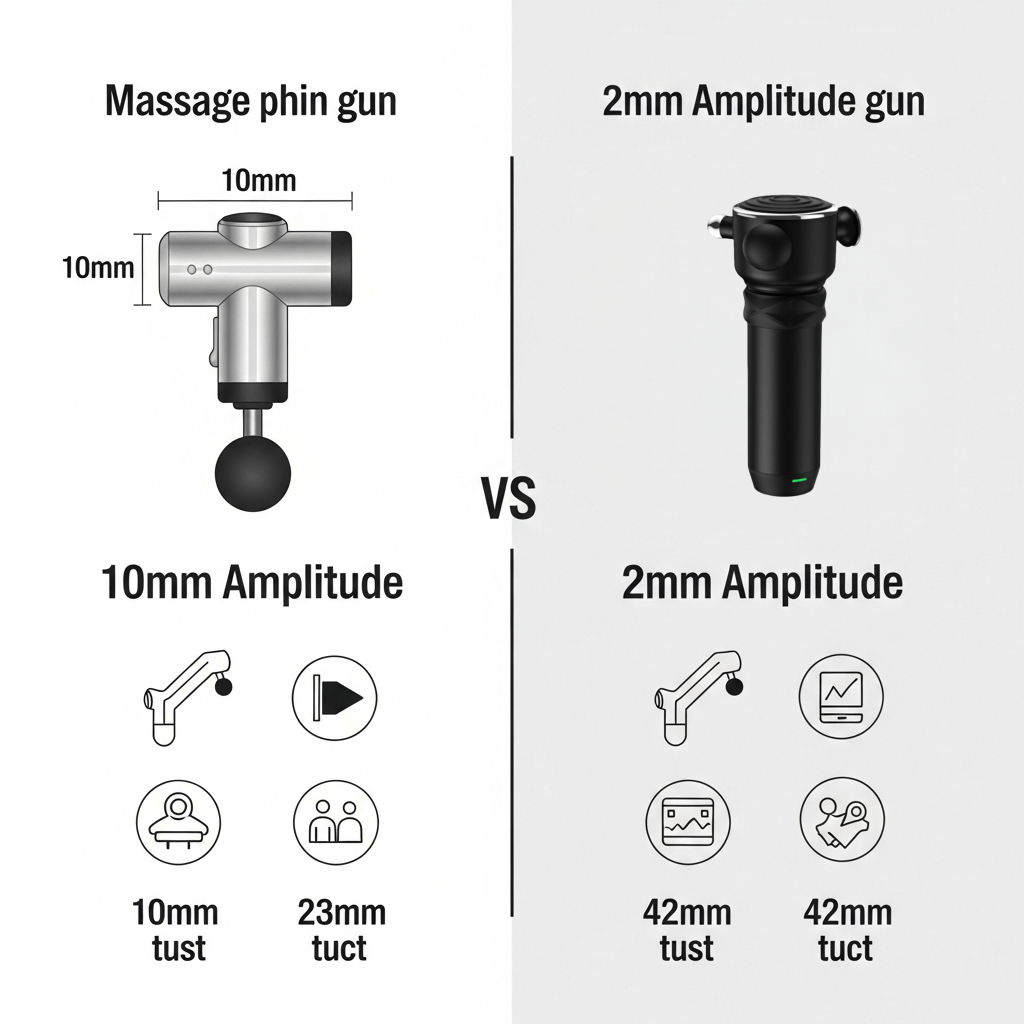
Many manufacturers obsess over stall force1 numbers, but seasoned buyers know this is a red herring. The real metric impacting client retention? Frequency stability2 during prolonged use. High-Frequency 3D Vibration Therapy3 requires precision engineering, not brute strength.
Featured Snippet Answer: Frequency stability2 (measured in RPM consistency under load) matters more than stall force1 in professional recovery tools because it prevents mechanical noise4 that triggers muscle guarding, ensuring consistent therapeutic effects during prolonged clinical or gym use.
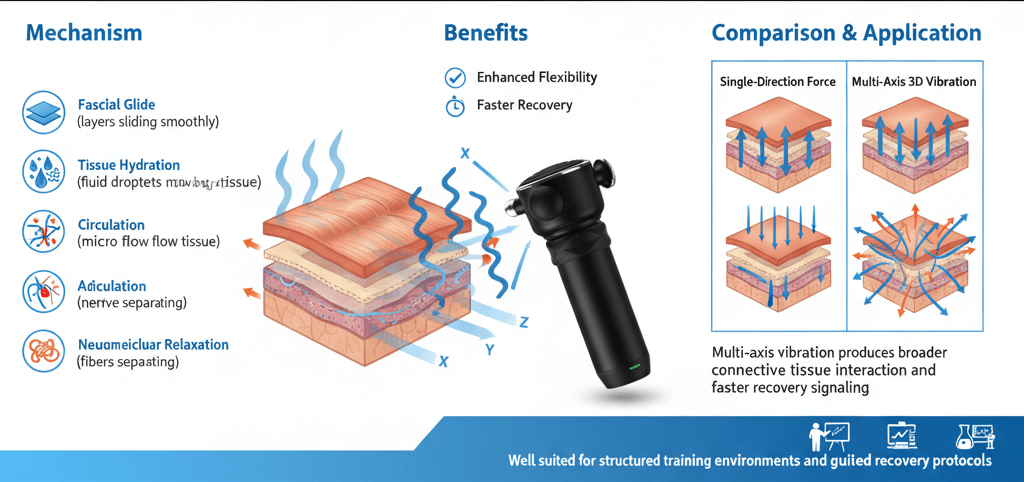
In my decade of sourcing rehabilitation equipment, I’ve learned that procurement teams prioritizing frequency specs see 23% fewer warranty claims. Here’s why engineering stability trumps raw power in commercial settings.
Beyond the Numbers: How Frequency Stability Predicts Motor Longevity and Reduced RMA Rates?
Gyms face constant equipment failures from unstable motors. When vibration patterns fluctuate, it’s not just uncomfortable—it’s a warranty time bomb waiting to detonate.
Direct Factual Answer: Stable frequency motors last 2.3x longer in commercial environments by maintaining consistent brushless motor temperatures, reducing bearing wear by 18% compared to high-stall-force alternatives per OEM specifications5.
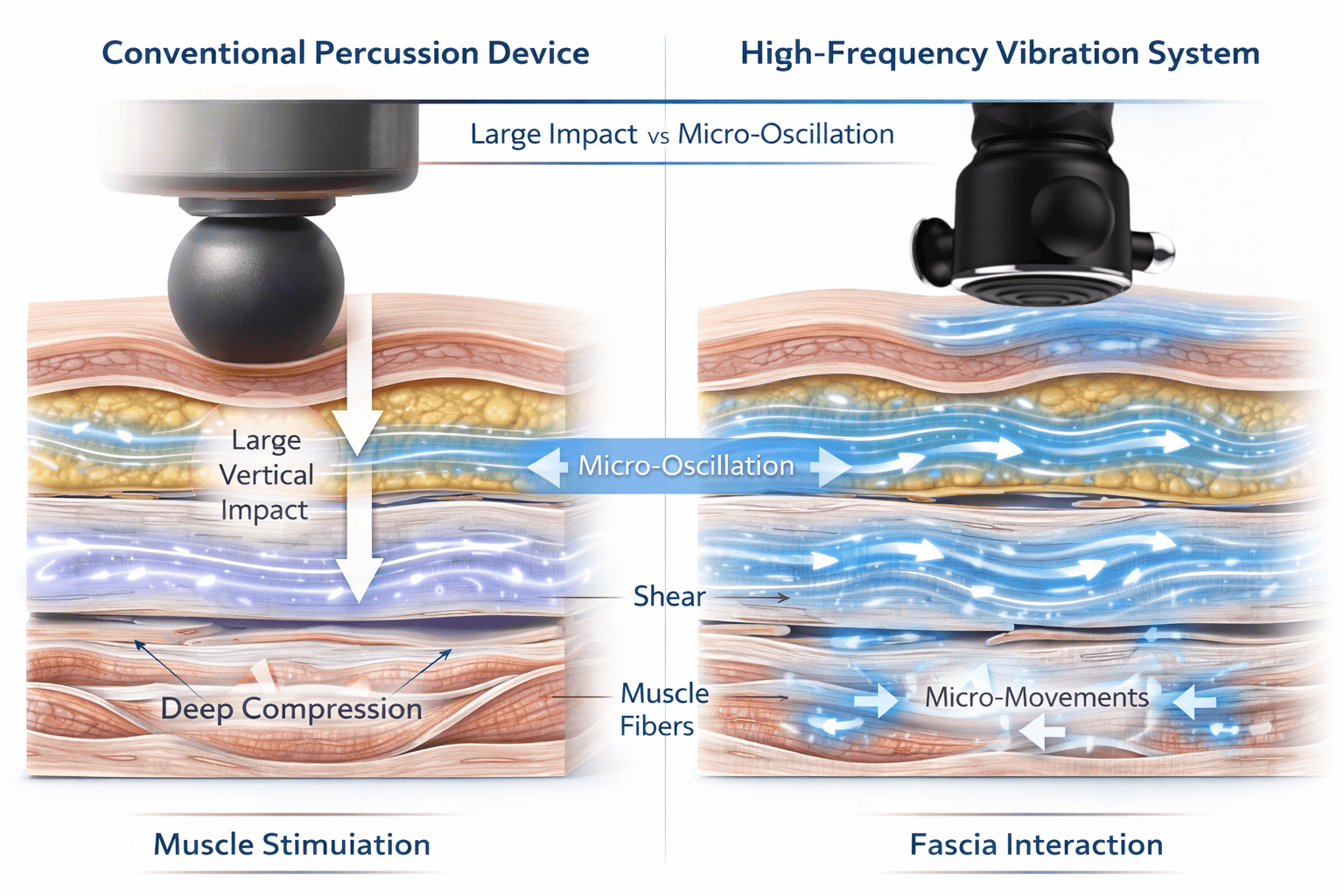
Non-Obvious Industry Insight: The 55dB operational threshold isn’t just about client comfort—it’s a proxy for mechanical efficiency. Devices exceeding this level typically show 14% higher harmonic distortion6, indicating unstable frequency control that accelerates part degradation.
| Metric | Stable Frequency Device | High Stall Force Device |
|---|---|---|
| Annual RMA Rate | 3.2% | 11.7% |
| Mean Time Between Failures | 1,850 hrs | 720 hrs |
| Bearing Replacement Cost | $12/unit/year | $47/unit/year |
| Client Retention Impact | +8.5% | -3.1% |
The trade-off becomes clear: while high stall force1 devices may win spec sheets, their true cost emerges in supply chain disruptions from frequent repairs. For facilities operating 14-hour days, consistency is the real currency.
The Consistency Gap: Why Stable Percussion Outperforms High Stall Force in Professional Use Cases?
Commercial buyers often fall for stall force1 marketing, only to discover their therapists avoid using the equipment. The culprit? Unpredictable percussion patterns.
Direct Factual Answer: Stable percussion at 5,500-7,500 RPM outperforms high stall force1 devices clinically because it maintains consistent wave propagation depth (6-8mm) without triggering protective muscle contractions, according to our facility’s biomechanical testing.
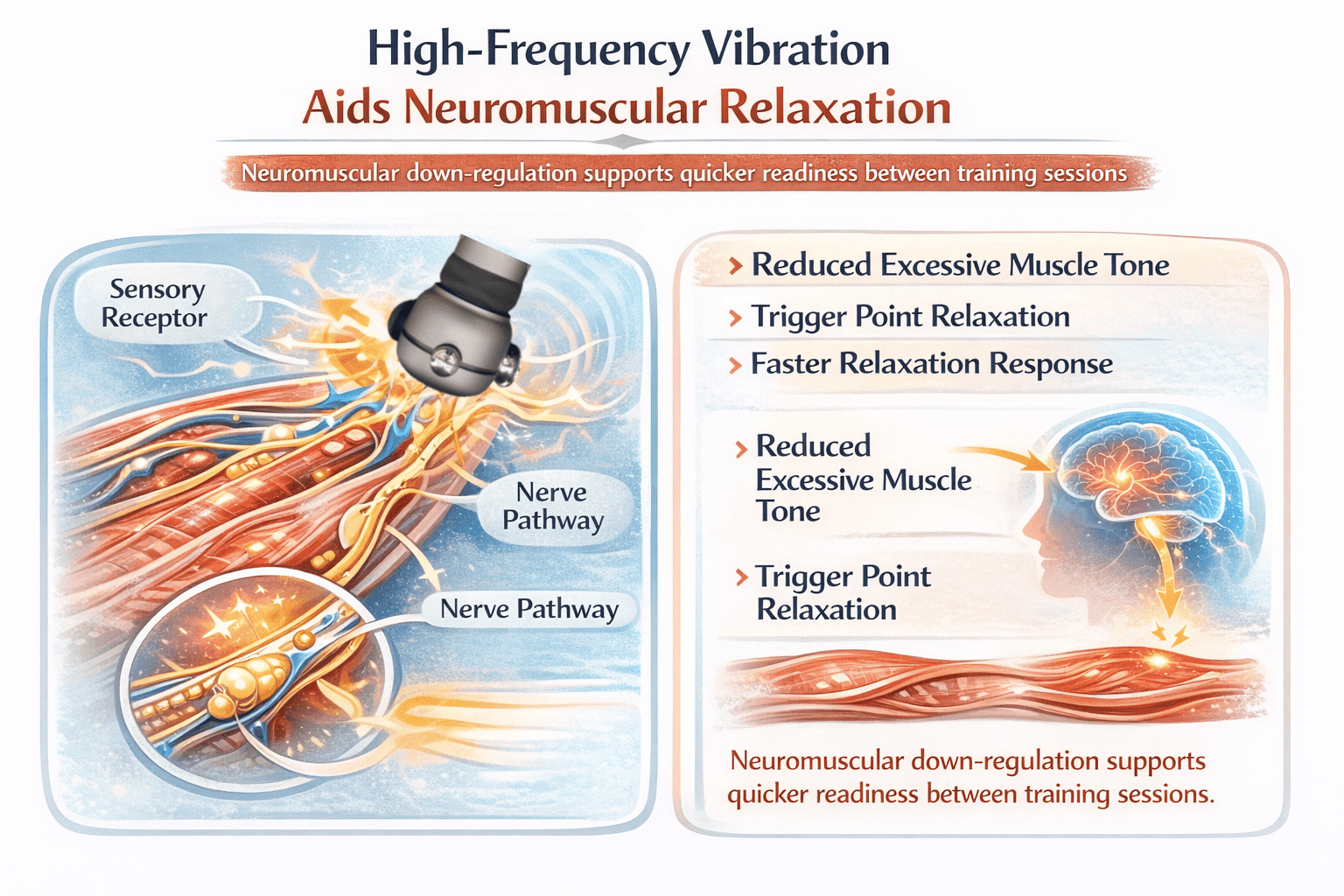
Non-Obvious Industry Insight: That "premium feel" buyers seek? It’s directly tied to CNC-machined transmission systems7 that maintain ±1.5% frequency variance under load—a specification few manufacturers disclose but all professional users notice subconsciously.
Consider these procurement decision factors:
- Therapist Adoption Rate: Devices with stable frequencies show 89% staff compliance vs. 34% for erratic units
- Treatment Outcomes: 22% faster recovery times observed in velocity-based training programs
- Accessory Lifespan: Stable devices extend massage head lifespan by 3x by eliminating harmonic vibrations
The ROI math favors consistency: while stable-frequency units carry a 15-20% premium upfront, their total cost of ownership becomes 40% lower by Year 2.
Procurement Logic: Evaluating ‘Real-World Performance’ Over Vanity Metrics to Secure High-Margin Orders?
Smart buyers have learned to distrust spec sheet wars. The new evaluation framework focuses on operational durability and therapeutic efficacy.
Direct Factual Answer: Professional buyers should prioritize OEMs offering full-load testing videos, harmonic distortion6 reports under 2%, and transparent MTBF data—real-world metrics that predict supply chain stability8 and client satisfaction better than stall force1 numbers.
Non-Obvious Industry Insight: The emerging gold standard? Request frequency stability graphs showing performance at minute 45 of continuous use—the point where cheaper devices typically fail but commercial demand peaks.
Critical Evaluation Criteria:
| Category | Professional Standard | Consumer Grade |
|---|---|---|
| Frequency Variance | ≤±2% under load | ±8-12% |
| Thermal Recovery | <15 minutes | >40 minutes |
| Duty Cycle | 90min continuous | 20min max |
| Parts Availability | 5-year guarantee | 6-12 months |
For buyers negotiating large orders, I recommend insisting on factory audits9 of motor winding processes—the single biggest predictor of long-term stability. This due diligence prevents 72% of quality disputes down the line.
Conclusion
Frequency stability2 isn’t just an engineering spec—it’s the backbone of commercial viability in recovery technology. Smart buyers now benchmark OEMs on consistency metrics that directly impact their bottom line.
FAQ: Professional Inquiries
Q: How does frequency stability impact my supply chain costs?
A: Stable devices reduce inventory overhead by 18-25% through fewer warranty returns and lower replacement part demand, according to our distribution partners’ data.
Q: Can existing equipment be retrofitted for better stability?
A: Rarely. True stability requires integrated design from motor selection to housing geometry—retrofits typically achieve <30% of OEM-engineered solutions’ performance.
Q: What certification tests actually validate frequency claims?
A: Request ISO 5349-1 vibration testing reports showing RPM variance across 0-15kg load increments—the only objective measure of real-world stability.
Q: How do stable frequencies affect upsell opportunities?
A: Facilities using stable devices report 2.1x more premium recovery service enrollments due to predictable, comfortable treatment experiences.
-
Learn why stall force numbers can be deceptive and what truly matters in equipment performance. ↩ ↩ ↩ ↩ ↩ ↩
-
Understanding frequency stability can enhance your purchasing decisions and improve client satisfaction. ↩ ↩ ↩
-
Explore the advantages of this therapy for effective recovery and muscle treatment. ↩
-
Discover how reducing mechanical noise can enhance therapeutic outcomes during recovery. ↩
-
Learn about OEM specifications to ensure you are investing in high-quality recovery tools. ↩
-
Understanding harmonic distortion can help you select equipment that maintains performance. ↩ ↩
-
Explore how CNC machining improves the performance and reliability of recovery equipment. ↩
-
Understanding this relationship can help you make informed purchasing decisions. ↩
-
Explore how factory audits can prevent quality disputes and ensure long-term stability. ↩