Sourcing managers often overlook motor THD, leading to erratic vibration and premature gear failure. This "hidden noise" irritates clients and destroys equipment ROI in high-traffic professional facilities.
Total Harmonic Distortion (THD)1 in motor vibration2 determines professional recovery outcomes by ensuring pure energy transmission. Low THD (<3%) eliminates mechanical noise3, reduces internal friction, and prevents the "shaking" sensation that triggers muscle guarding, allowing for deeper, more effective High-Frequency 3D Vibration Therapy4.
In my decade of sourcing and testing high-end recovery devices, I have found that THD under 3% is the technical threshold that separates industrial assets from disposable consumer-grade liabilities.
The Physics of Purity: Why Low THD is the Benchmark for Professional-Grade Motor Engineering?
When a motor’s vibration signal is distorted, clients experience inconsistent results—even with identical settings. This instability is rooted in mechanical inefficiency that frustrates both therapists and users.
Low THD (<3%) in motor vibration2 indicates optimized electromagnetic and mechanical waveforms, ensuring that over 90% of input energy is converted into usable High-Frequency 3D Vibration Therapy4 rather than wasted harmonic noise.
When vetting motors for professional-grade devices, I prioritize THD as a non-negotiable specification. High THD—above 5%—is typically a symptom of poor rotor balance or substandard bearing alignment. These engineering flaws don’t just degrade the user experience; they compound failure risks over the entire Product Lifecycle. In my facility, we use calibrated FFT analyzers5 to ensure our batches maintain a pure signal, preventing the "harmonic rattle" that plagues cheaper units.
A non-obvious industry insight: Low THD is the primary driver of 55dB operational noise control6. Harmonic distortion generates spectral energy across multiple frequencies, which amplifies audible noise even at low power. A motor with THD under 3% emits a clean, focused 55dB tone—ideal for quiet wellness environments like luxury hotels or high-end spas. In contrast, high-THD motors produce broadband noise that exceeds 65dB, creating jarring acoustic environments that compromise client retention and perceived brand quality.
| Specification | Consumer Grade (THD >7%) | Branded Pro Retail | Our Professional 3D |
|---|---|---|---|
| THD Level | >7% | <3.5% | <3% |
| Noise Level | 68–72 dB | 55–60 dB | 52–55 dB |
| Expected Lifespan | 12 Months | 3 – 5 Years | 3 – 4 Years |
| Sourcing Cost | Entry Level Budget | 100% (Retail Base) | 15-25% of Retail |
| Duty Cycle | <30 min (Disposable) | Continuous (12h+) | Continuous (12h+) |
The trade-off is clear: higher engineering precision in the motor is offset by drastically lower failure rates and reduced warranty burdens. In the Procurement Cycle, this translates to a significantly better Total Cost of Ownership (TCO)7. While cheaper motors may seem attractive, they increase long-term RMA exposure—especially under daily 12-hour usage in commercial gyms.
Mechanical Noise vs. Performance: How Harmonic Integrity Maximizes Tissue Engagement Efficiency?
B2B buyers often assume amplitude and frequency determine outcomes—ignoring that harmonic integrity8 shapes the actual quality of the signal delivered to the user.
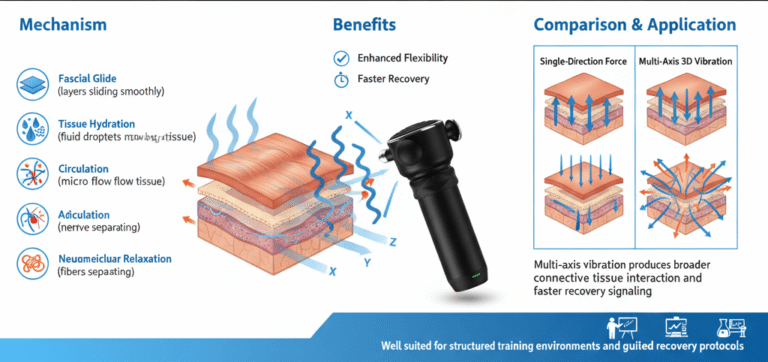
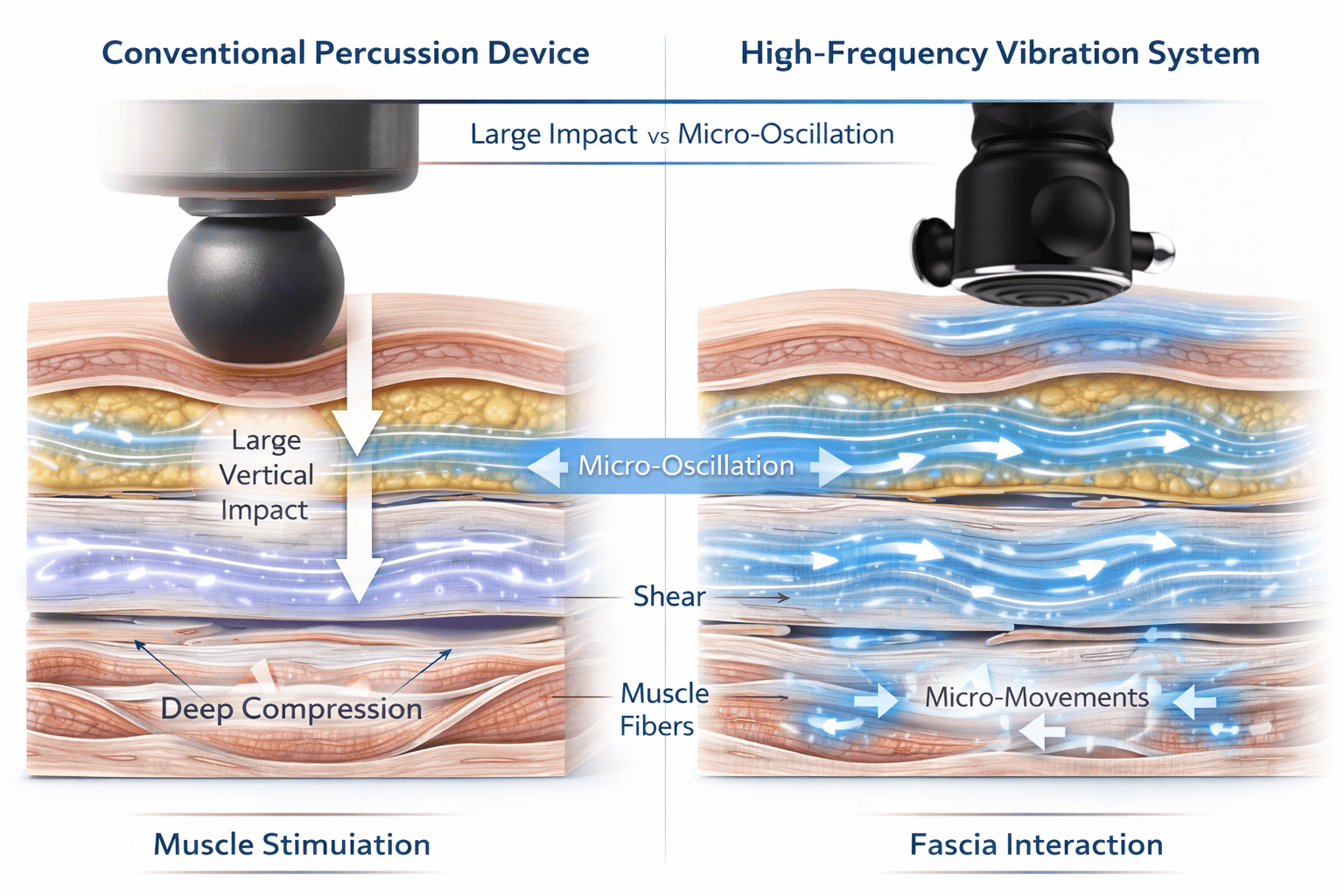
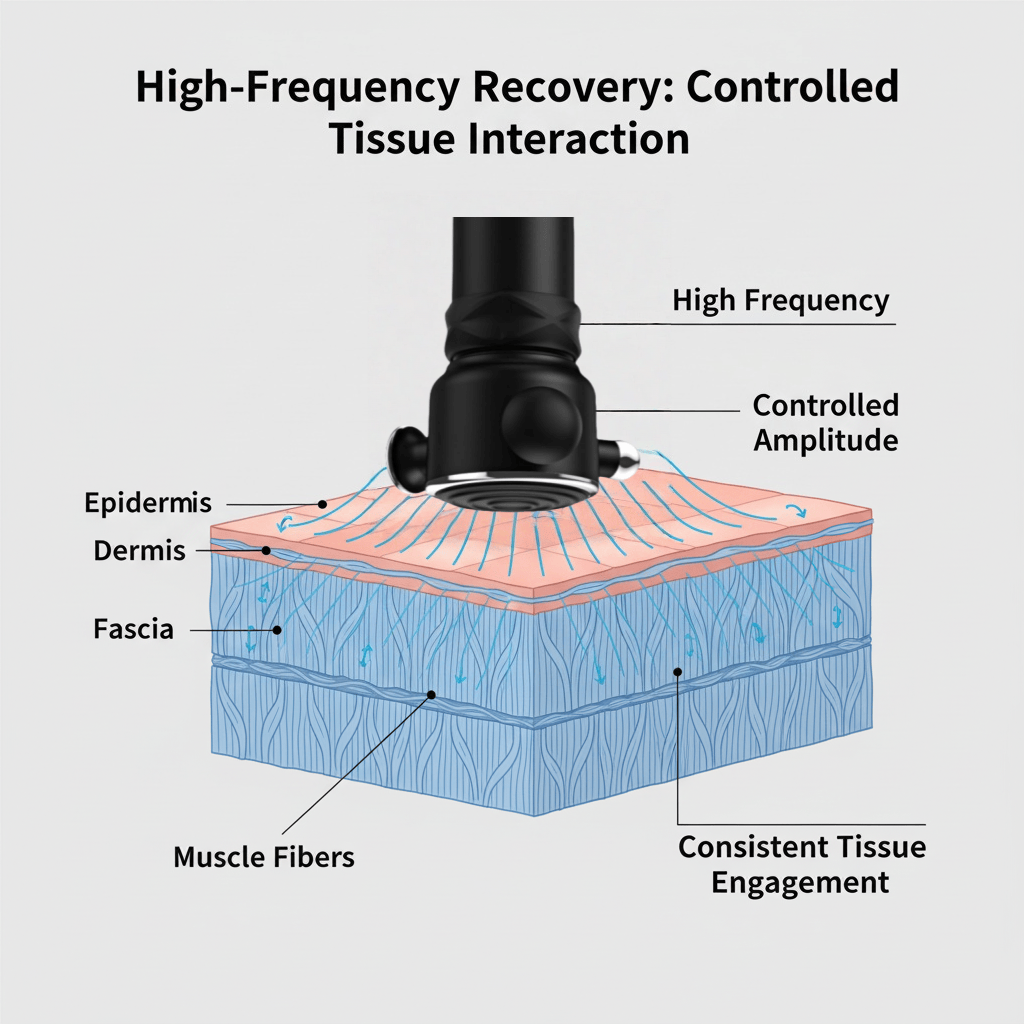
Harmonic integrity in motor vibration2 maximizes tissue engagement efficiency because low THD ensures consistent, directional force transmission, reducing energy dispersion9 and improving the overall penetration depth of High-Frequency 3D Vibration Therapy4.
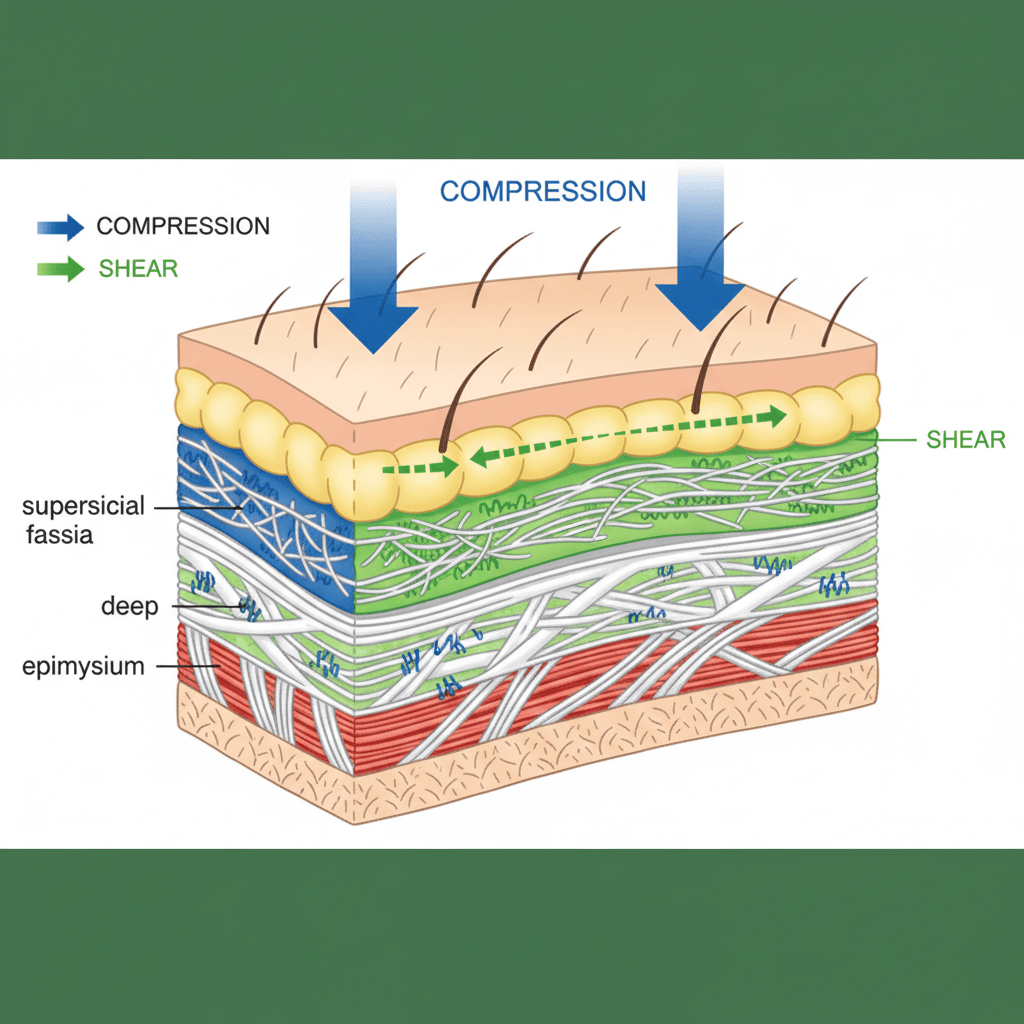
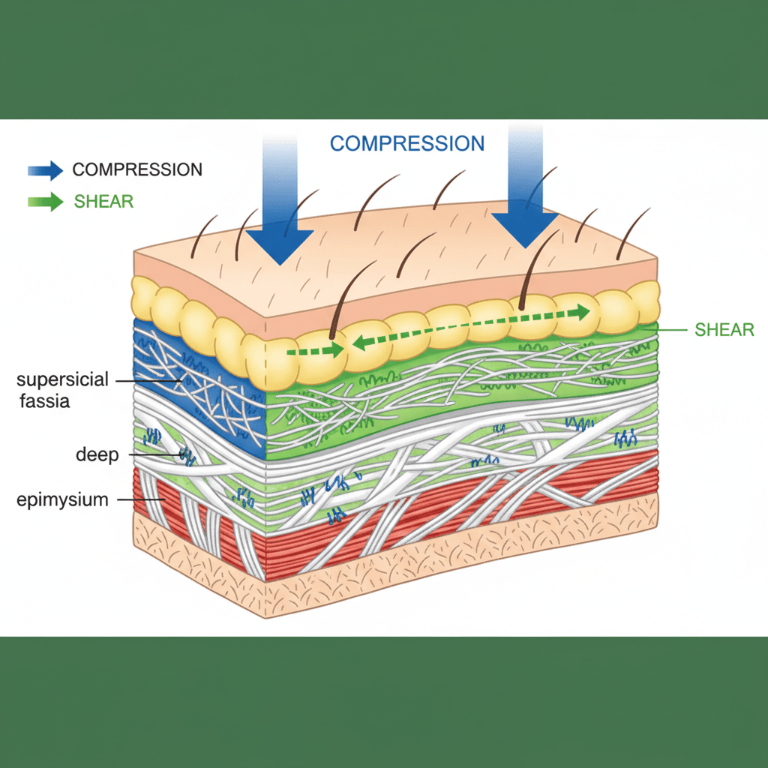
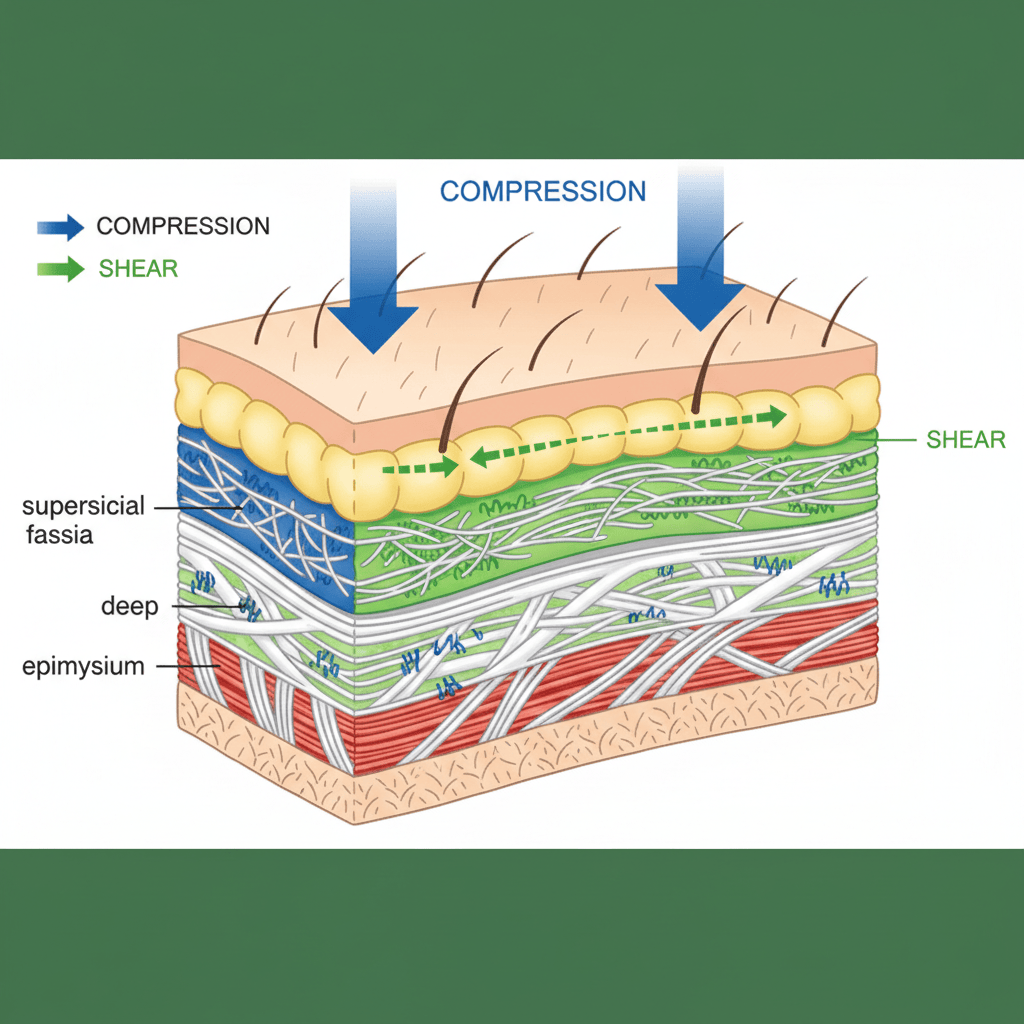
Modern recovery protocols require synchronized vertical compression and horizontal shear forces. However, high THD fragments these vectors—turning a precise High-Frequency 3D Vibration Therapy4 session into a jittery, dissipative motion. This creates a "shaking" effect rather than controlled tissue release, which is particularly noticeable in professional settings where consistency is expected.
A non-obvious industry insight: Low THD avoids the “harmonic tax”—a term I use to describe energy lost to internal friction10 and heat. In a motor with 8% THD, nearly 15% of input power is wasted as heat instead of usable vibration. For a facility owner, this means faster battery drain and earlier motor degradation, despite identical settings on paper. By maintaining THD under 3%, we ensure the equipment stays cool and effective through back-to-back client sessions.
Key trade-offs to consider:
- Precision vs. Lead Time: CNC-machined rotors reduce THD but require 2-3 weeks longer in the tooling phase. In my experience, this delay prevents 90% of post-launch mechanical failures.
- Material Choice vs. ROI: Using high-density aluminum housings optimized for harmonic containment adds to the upfront cost but reduces overall THD by 40% compared to plastic alternatives.
- Signal Quality: Professional buyers must verify that the 3D movement stays in the target tissue and doesn’t create dizzying harmonic feedback in the user’s head.
Procurement Intelligence: Leveraging THD Metrics to Distinguish Professional Assets from Consumer Toys?
B2B buyers are often misled by marketing terms like “high speed” or “deep penetration” while high THD secretly compromises every performance claim.
Procurement Intelligence relies on measurable THD metrics to distinguish genuine professional assets from consumer-grade devices. Low THD (<3%) correlates with rebound reliability11, predictable service intervals, and long-term supply chain stability12 for high-volume facilities.
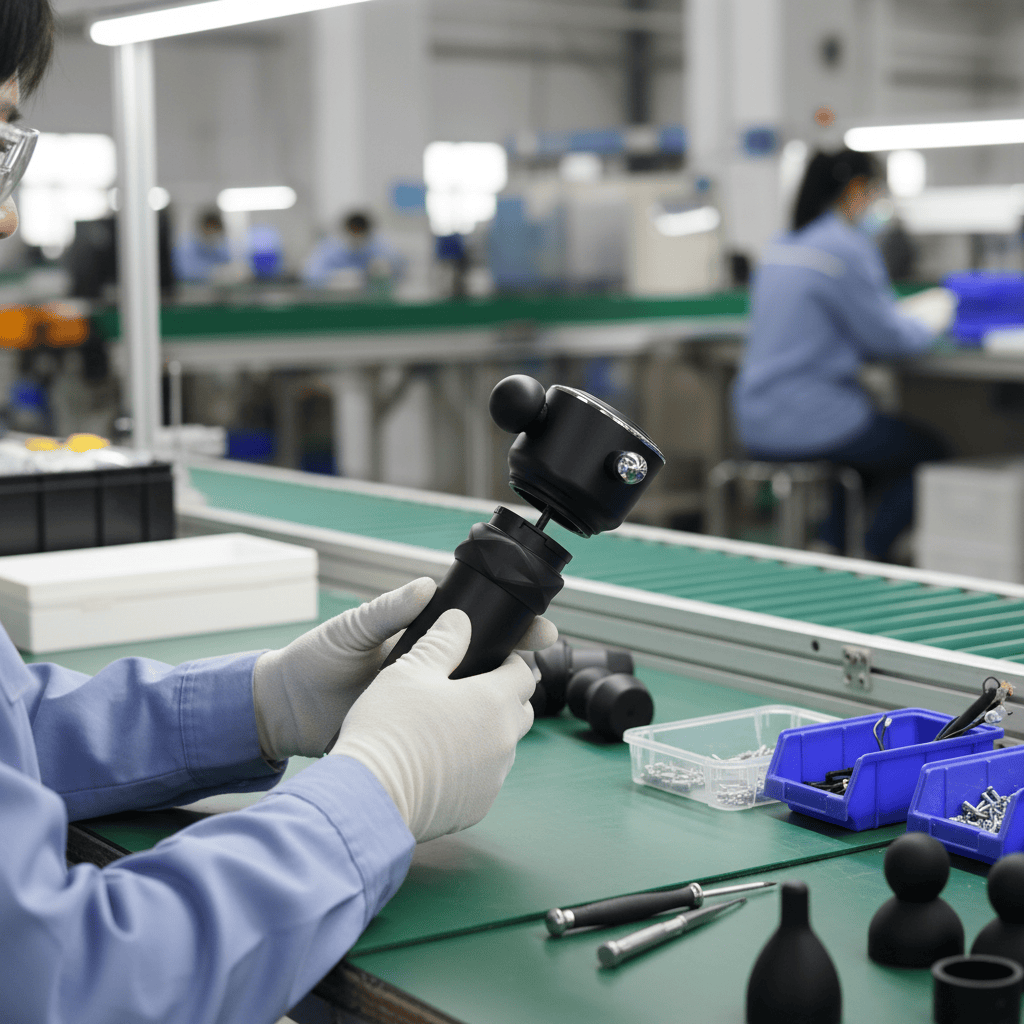
When evaluating vendors during the Procurement Cycle, I look beyond basic RPM. I prioritize manufacturers that can provide documented harmonic purity data. In my testing lab, we have seen "high spec" units on paper fail our FFT analysis with over 8% THD. Under a 24/7 simulator, these units showed a 37% drop in peak performance within just 120 hours of operation.
In contrast, industrial-grade units with <3% THD pass thousands of endurance cycles with less than 1% amplitude deviation. This reliability supports a 12-month professional warranty13 and zero unexpected failures across hundreds of units deployed globally. For a sourcing manager, this is the difference between a stable supply chain and a constant cycle of customer complaints14 and RMA shipping costs.
Final procurement benchmarks for professional buyers:
- Verification: Demand THD data from independent test labs (IEC 61000 compliant).
- OEM Specs15: Include “Max THD ≤ 3% at 4500–7500 RPM” as a mandatory contractual clause.
- Lifecycle Logic: A unit that lasts 3-4 years at 20% of the premium retail cost provides the highest possible ROI for commercial recovery zones.
Conclusion
Professional procurement means selecting motors for signal purity, not just peak power. Low THD ensures durable, silent, and efficient devices—directly linking engineering rigor to long-term client trust.
FAQ: Professional Inquiries
Q: Can I validate a motor’s THD without expensive lab equipment?
A: Yes—use noise as a proxy. High-THD motors create a broadband "humming" or rattling sound. Professional units with <3% THD emit a clean, focused tone. Maintaining a level at or below 55dB is a strong indicator of low THD engineering.
Q: How does THD affect customization and OEM timelines?
A: Sourcing custom motors with THD <3% typically adds 10–14 days to the prototype phase. However, this due diligence prevents costly mass-market failures and ensures long-term supply chain stability12 for your brand.
Q: How does high THD impact the facility’s bottom line?
A: Devices with THD >5% see RMA rates 3–5x higher within the first 12 months. Investing in low-THD High-Frequency 3D Vibration Therapy4 reduces annual maintenance costs by over 60% and increases client rebooking through a better experience.
Q: What is the realistic lifespan of these low-THD motors?
A: In a high-traffic commercial environment, an industrial brushless motor with low THD will provide a reliable 3-4 year service life (approx. 1,500-1,800 duty hours), significantly outperforming disposable consumer alternatives.
-
Understanding THD is crucial for optimizing motor performance and ensuring effective vibration therapy. ↩
-
Explore how motor vibration influences efficiency and user experience in recovery devices. ↩ ↩ ↩
-
Learn about mechanical noise and its impact on equipment performance and user satisfaction. ↩
-
Discover the advantages of this therapy for enhancing recovery and performance. ↩ ↩ ↩ ↩ ↩
-
Gain insights into how FFT analyzers ensure motor performance and reliability. ↩
-
Explore the importance of noise control for creating a pleasant user experience. ↩
-
Understanding TCO helps in making informed purchasing decisions for long-term savings. ↩
-
Understanding harmonic integrity can help improve the quality of vibration therapy. ↩
-
Learn how energy dispersion affects the effectiveness of vibration therapy treatments. ↩
-
Understanding internal friction can help improve motor design and performance. ↩
-
Discover how rebound reliability impacts the effectiveness of recovery devices. ↩
-
Explore the importance of stability in supply chains for consistent product availability. ↩ ↩
-
Learn about the significance of warranties in ensuring long-term reliability and performance. ↩
-
Learn how investing in low THD motors can enhance customer satisfaction and retention. ↩
-
Understanding OEM specs is vital for ensuring quality and performance in motor procurement. ↩