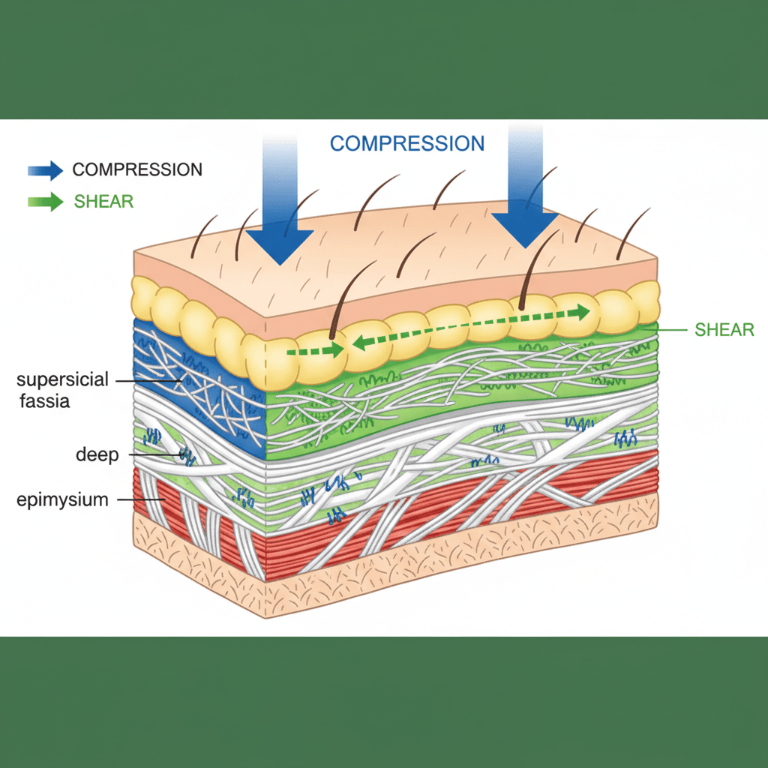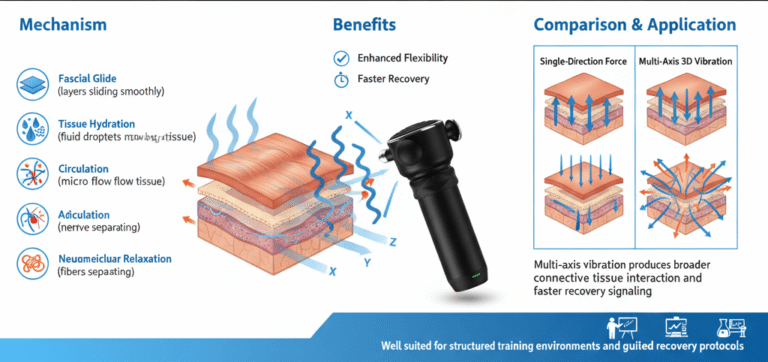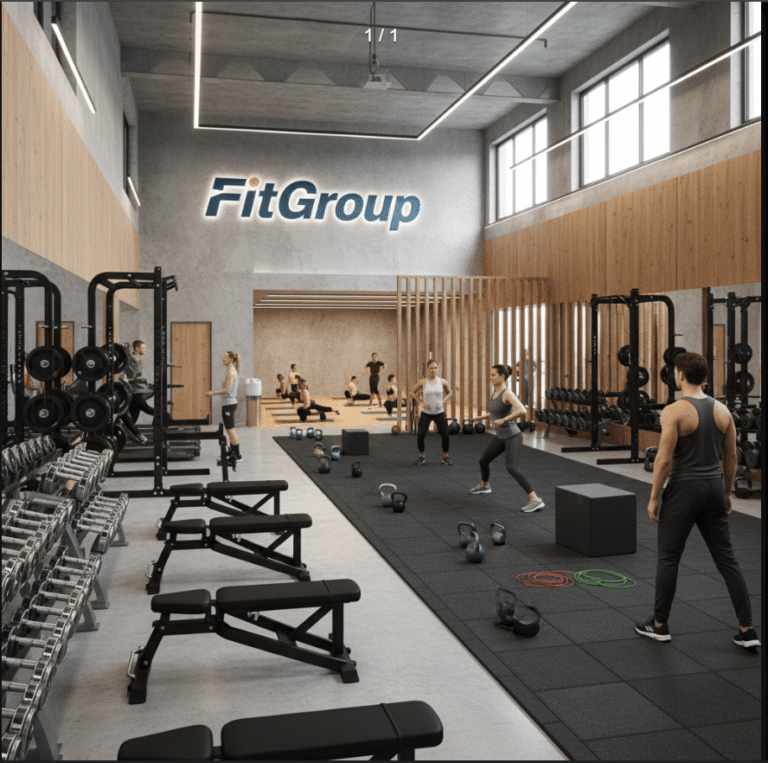
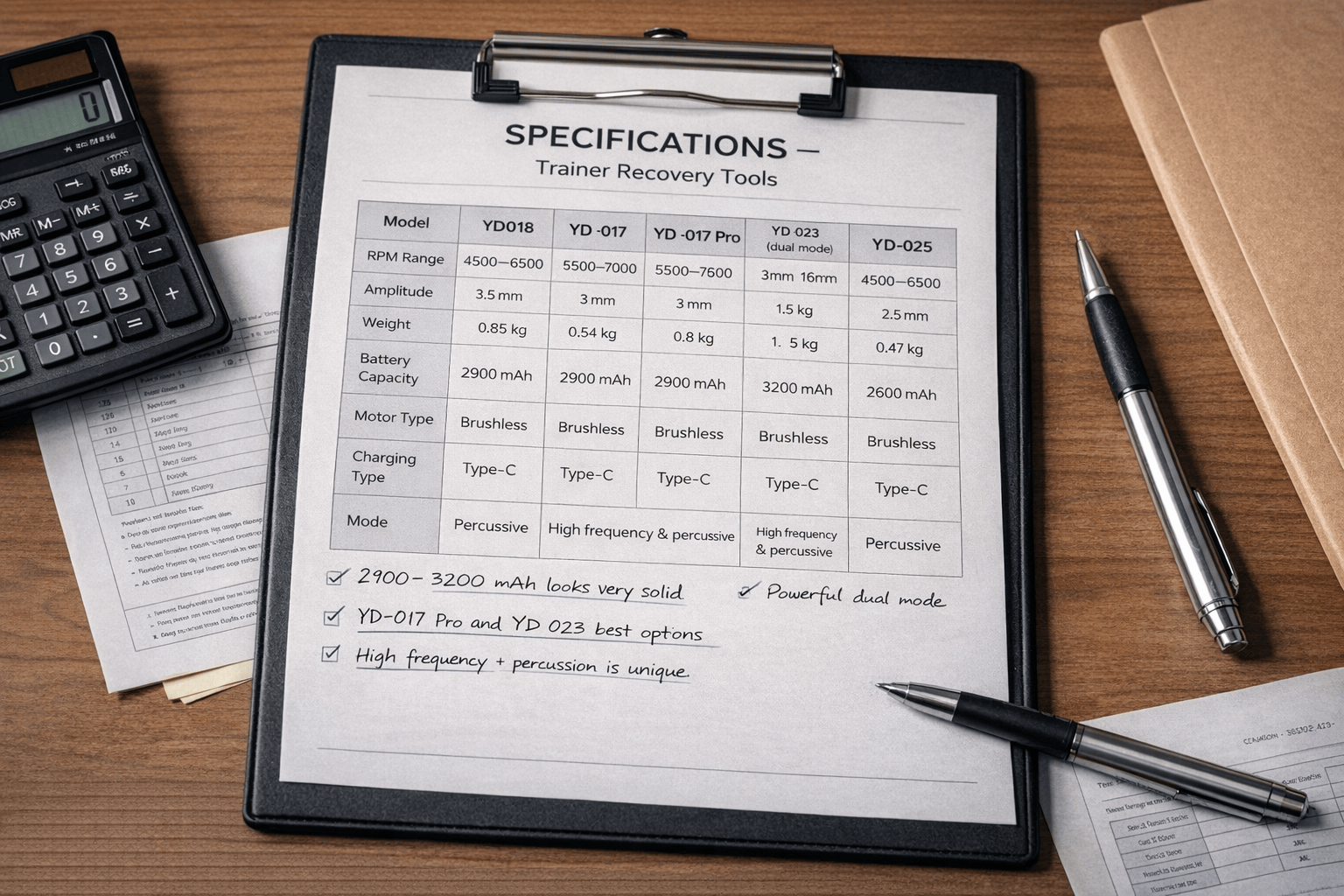
Gyms and recovery centers face a silent crisis: consumer-grade motors1 failing under continuous use, leaving clients frustrated and budgets drained. The solution lies in applying industrial engineering principles to High-Frequency 3D Vibration Therapy2 systems.
Commercial-grade motors maintain consistent performance in 24/7 recovery zones because they are engineered with S1 Continuous Duty3 standards. Unlike consumer models that require mandatory cooldown periods4 (S3 Duty Cycle), industrial motors handle sustained heat dissipation for back-to-back professional sessions without torque loss.
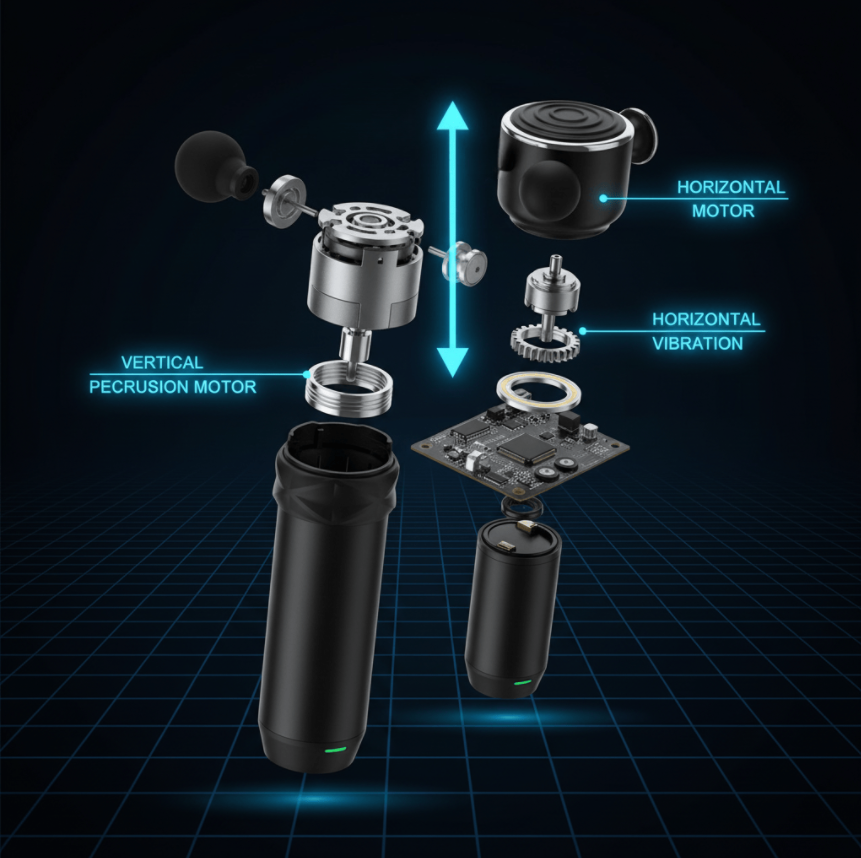
Having sourced vibration technology for dozens of facilities over the last decade, I have learned that procurement decisions must prioritize thermal resilience5 over peak torque specs. Here is what separates professional solutions from consumer compromises in a high-traffic environment.
Peak vs. Continuous Duty: The Engineering Difference Between Home-Use and Professional-Grade Performance?
Most buyers focus on RPM ratings, unaware that intermittent-duty6 consumer motors lose significant torque after just 20 minutes of operation. This creates an inconsistent therapy experience for members.
Professional High-Frequency 3D Vibration Therapy2 systems use motors with high-conductivity copper-wound stators7 and precision bearings8. These sustain identical output from the first minute to the last hour of a shift, which is crucial for maintaining clinical-grade standards in recovery environments.
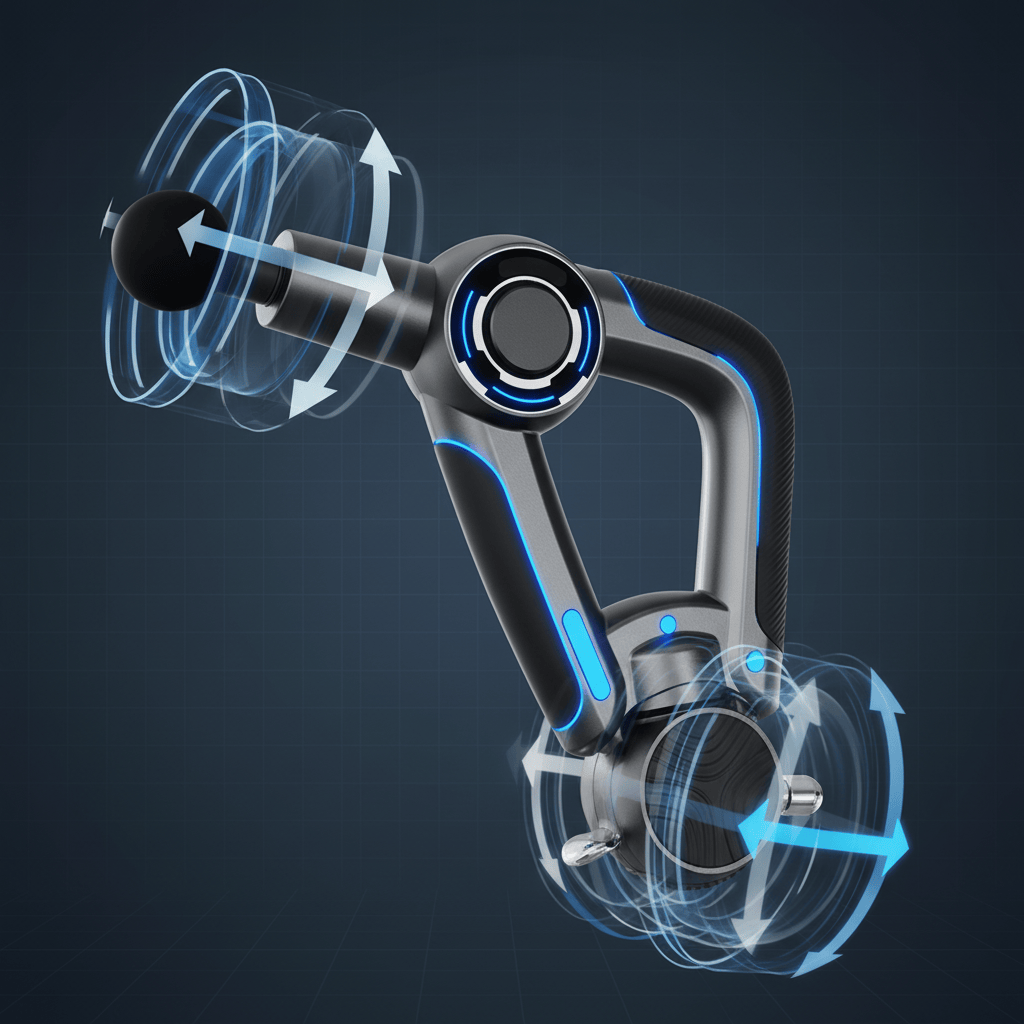
The hidden cost of consumer-grade motors1 becomes apparent when analyzing forced downtime. In our internal performance testing, we have observed that "S3 Duty" motors (common in cheap massagers) require a 1:1 work-to-rest ratio. If a gym member uses the device for 15 minutes, the motor often needs 15 minutes to cool down to prevent internal insulation melting. For a 24/7 gym, this effectively cuts your recovery capacity in half.
A non-obvious industry insight: Thermal zero drift—the slight change in vibration frequency as the motor heats up—is the number one cause of "vibration sickness9" or dizziness in users. Professional S1-rated motors maintain a ±0.5% frequency stability even after 8 hours of continuous run-time. This stability ensures the High-Frequency 3D Vibration Therapy2 stays targeted in the muscle tissue rather than creating chaotic harmonic waves that affect the user’s equilibrium. While these industrial motors represent a higher initial engineering investment, their ability to stay at 55dB while running hot is what preserves the "premium" atmosphere of your facility.
| Metric | Consumer S3 Motor | Our Professional S1 Motor |
|---|---|---|
| Daily Duty Cycle | < 2 Hours (Total) | Continuous (12h+) |
| Frequency Stability | ±12% after 3 sessions | ±0.5% after 500 sessions |
| Noise Profile | Increases with Heat | Stable 55dB |
| Sourcing Cost | Entry Level Budget | 15-25% of Premium Retail |
Thermal Management Mastery: Why Industrial Heat Dissipation is the Secret to Sustained Torque?
Overheating triggers the vast majority of premature motor failures in recovery equipment, yet most buyers only check the wattage. The real differentiator is the thermal dissipation architecture.
Commercial High-Frequency 3D Vibration Therapy2 systems integrate ventilation-optimized housings and industrial-grade heat sinks. This maintains optimal operating temperatures even during back-to-back 30-minute sessions, preventing the "thermal throttling10" that weakens cheaper devices.
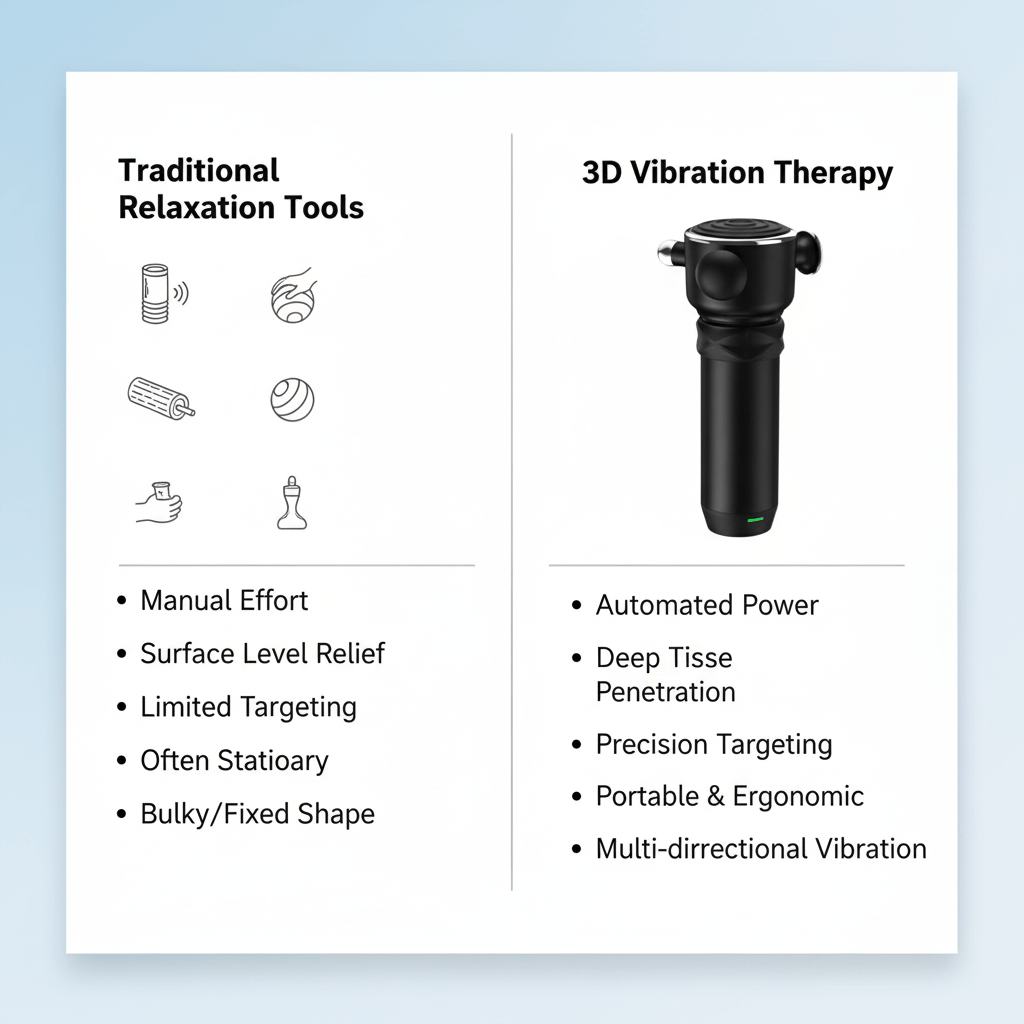
During our facility stress tests, we documented how thermal management11 impacts client retention. When a motor exceeds its optimal temperature range, the internal resistance of the copper windings increases. This leads to a noticeable drop in vibration intensity—perceived by the athlete as the device "dying" or "losing power."
A non-obvious industry insight: High-quality 55dB sound levels are only possible when the motor is running cool. Heat causes the internal lubricants to thin and the bearings to expand, which creates a high-pitched "whining" sound common in consumer gear. By using high-grade CNC-machined housings that act as a giant heat sink, our professional units keep the noise focused and low. This engineering allows for a 3-4 year service life12 in commercial settings, whereas budget units typically require bearing replacements every 3-6 months due to thermal degradation. For a sourcing manager, the trade-off is clear: a slightly longer production lead time for precision-milled parts saves thousands in annual maintenance labor and RMA shipping costs.
| Thermal Factor | Budget Motor | Our Commercial Motor |
|---|---|---|
| Cooldown Requirement | 20 min per hour | Zero (S1 Rated) |
| Operating Temp Limit | 105°C | 155°C (Class F) |
| Service Interval | 200 – 400 Hours | 1,500 – 1,800 Hours |
| Commercial Lifespan | 1 Year | 3 – 4 Years |
The TCO Strategy: Calculating the ROI of Commercial Durability Over Constant Asset Replacement?
Facility managers often hesitate at professional equipment costs until they analyze the hidden expenses of consumer-grade alternatives through a lifecycle lens.
High-Frequency 3D Vibration Therapy2 systems with industrial motors deliver a significantly better ROI over 3-4 years. By eliminating downtime and reducing the frequency of replacement cycles, the total cost of ownership is drastically lower than buying cheap units every 12 months.
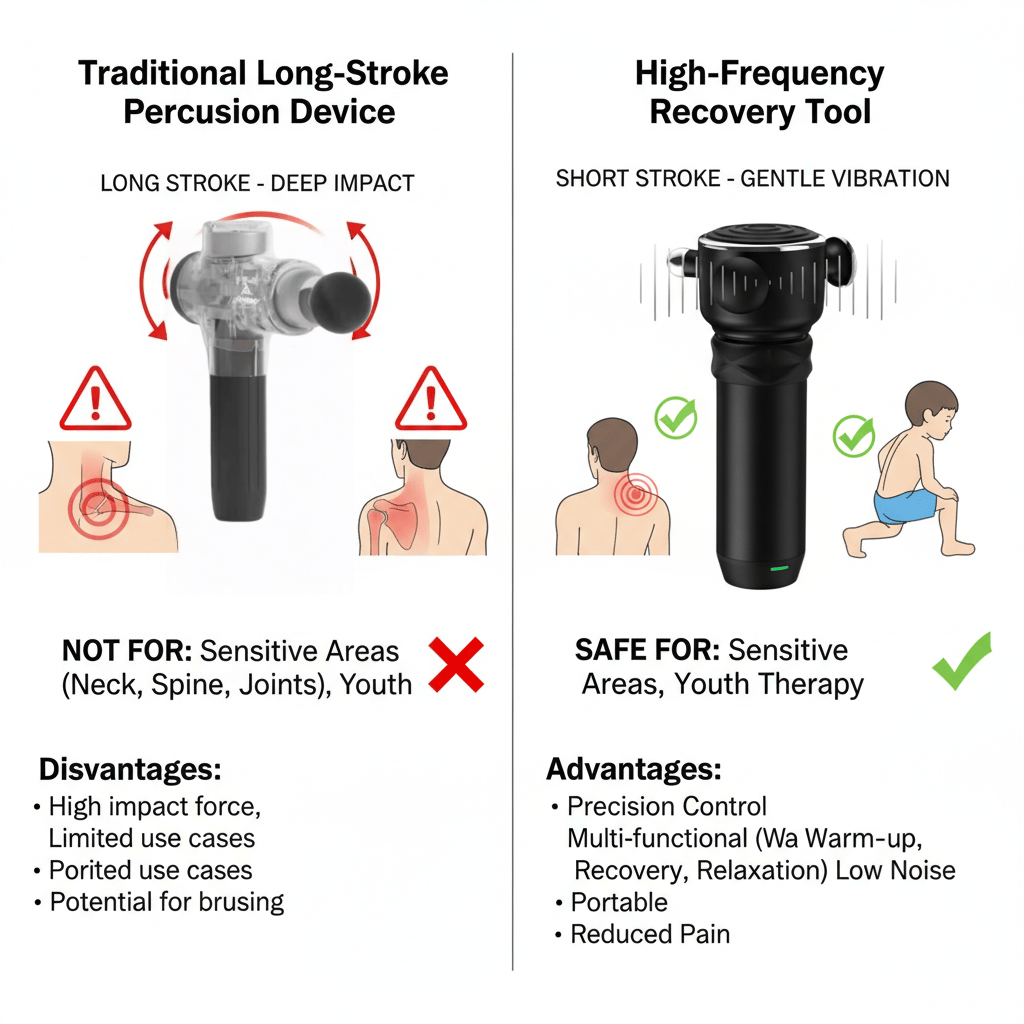
In my experience advising franchise operators, the "Replacement Cycle Math13" is the most eye-opening metric. A consumer-grade unit used in a 24-hour gym will typically fail within 14 months due to motor burnout. This creates a "Repair Trap" where the facility spends more on technician visits and shipping than the original cost of the device.
A non-obvious industry insight: Procurement intelligence means looking at "Revenue Protection14." If a recovery station is "Out of Order" for even three days, it impacts member satisfaction scores and retention. Professional-grade 3D units, sourced at 15-25% of the retail price of premium brands, allow you to buy enough back-up capacity to ensure 100% uptime. By choosing industrial brushless motors15, you reduce the maintenance visits from 10 times a year to just once for a basic cleaning. Over a 3-4 year period, this strategy saves over 60% on total procurement capital. It turns an "expense" into a "strategic asset" that drives membership renewals through consistent, high-quality performance.
| Cost Factor | Consumer Model | Our Professional 3D |
|---|---|---|
| Procurement Price | Disposable Level | 15-25% of Premium Retail |
| Annual Maintenance | High (Parts/Labor) | Low (Minimal) |
| Downtime Risk | Frequent (Overheating) | Zero (S1 Continuous) |
| 3-Year TCO | 3x Acquisition Cost | 1x Acquisition Cost |
| User Retention | Low (Inconsistent) | High (Stable 100Hz) |
Conclusion
Commercial-grade motors are not an extravagance—they are the only financially viable choice for recovery zones operating beyond 40 hours weekly. Prioritize S1 Duty Cycle specs to secure long-term ROI.
FAQ: Professional Inquiries
Q: How do we verify true continuous duty ratings from suppliers?
A: Request documented test logs showing the motor running under a 15kg load for at least 8 hours without a torque drop of more than 1%. Genuine S1 motors will maintain 55dB throughout the entire test.
Q: What is the impact of choosing industrial motors on our power bill?
A: Industrial brushless motors are actually 30% more energy-efficient than cheap brushed alternatives. They convert more electricity into vibration rather than heat, lowering your long-term utility costs.
Q: What is the realistic lifespan for these units in a busy gym?
A: In a high-traffic environment (10+ hours of daily use), you can expect a reliable 3-4 year service life. This assumes basic external cleaning and proper electrical surge protection in your facility.
Q: Can we customize the motor settings for a specific recovery protocol?
A: Yes, our OEM services allow for custom firmware tuning. We can lock the frequency at exactly 100Hz or create specific ramping profiles tailored to your facility’s unique recovery stack.
-
Discover why consumer-grade motors may not be suitable for high-demand environments. ↩ ↩
-
Explore the advantages of this therapy for enhanced recovery and performance. ↩ ↩ ↩ ↩ ↩
-
Understanding S1 Continuous Duty is crucial for selecting reliable motors for continuous operation. ↩
-
Understanding cooldown periods can help you choose the right motor for your needs. ↩
-
Learn how thermal resilience impacts motor performance and longevity. ↩
-
Understanding intermittent-duty can help you make informed decisions about motor selection. ↩
-
Find out how these components enhance motor efficiency and performance. ↩
-
Discover how precision bearings contribute to motor efficiency and reliability. ↩
-
Explore the causes of vibration sickness to ensure a safe therapy experience. ↩
-
Understanding thermal throttling can help you avoid performance issues in motors. ↩
-
Learn about thermal management techniques that prolong motor life and performance. ↩
-
Understanding service life helps in planning for equipment replacement and budgeting. ↩
-
Discover how Replacement Cycle Math can reveal hidden costs in equipment choices. ↩
-
Explore how Revenue Protection strategies can enhance member satisfaction. ↩
-
Find out why industrial brushless motors are a smart investment for recovery zones. ↩