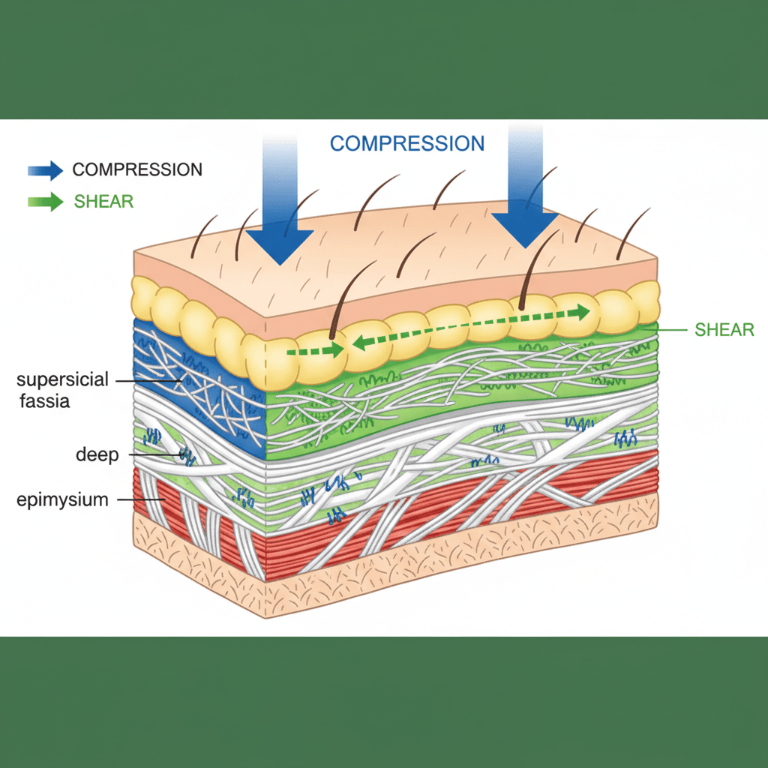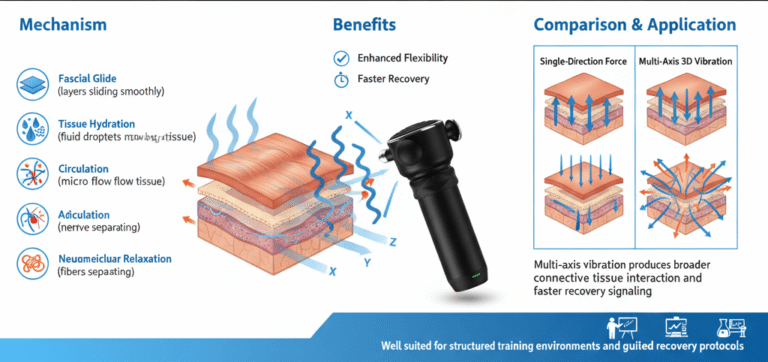

High-frequency 3D vibration therapy is gaining traction in elite football for its precision recovery capabilities. Clubs now prioritize systems that integrate seamlessly into high-intensity training schedules.
Elite football clubs evaluate vibration therapy systems1 based on three criteria: consistent output under heavy usage, athlete compliance rates2, and operational scalability3 across squads of 25+ players. The technology must deliver measurable recovery benefits without disrupting training protocols.
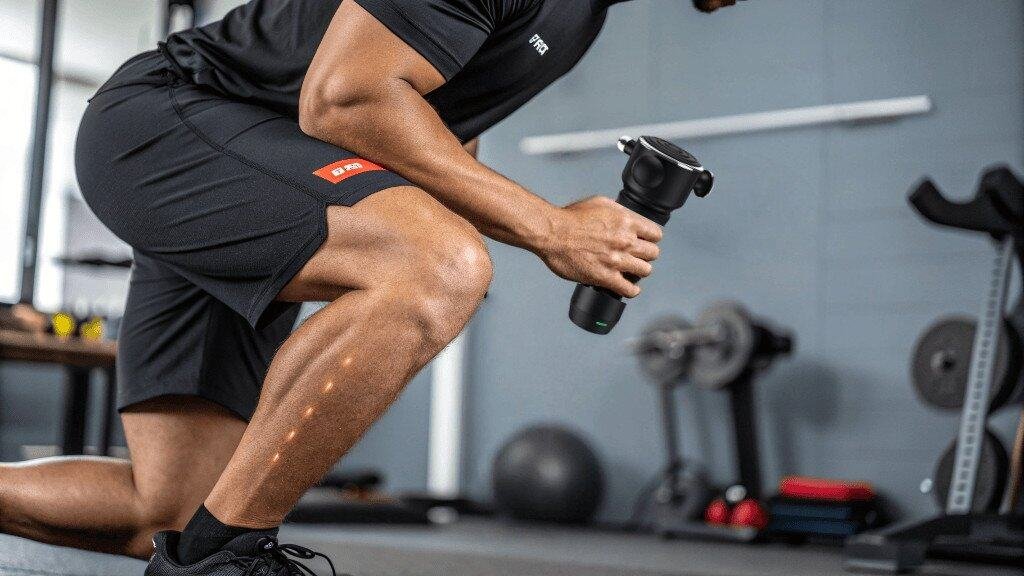
The shift from static recovery tools to dynamic systems reflects football’s evolving sports science demands. Let’s examine the key procurement considerations for 2026.
From Training Room to Match Day: Defining Performance-Ready Vibration Systems for High-Intensity Football Schedules?
Football’s condensed schedules demand recovery solutions that adapt to variable workloads. Traditional massage guns lack the precision needed for targeted muscle groups.
Performance-ready systems feature adjustable frequency bands (4500-7500 RPM) with 3D motion vectors to address both superficial and deep tissue layers simultaneously. This allows physios to program sessions matching specific recovery needs – from post-match quadriceps recovery to pre-training activation.
The engineering challenge lies in maintaining consistent output across 30+ daily sessions:
| Performance Metric | Training Room Standard | Match Day Requirement |
|---|---|---|
| Daily Session Capacity | 15-20 treatments | 30+ treatments |
| Output Consistency | ±5% variance | ±2% variance |
| Warm-up Time | <30 seconds | <15 seconds |
| Noise Level | <65 dB | <60 dB |
| Treatment Duration | 5-8 minutes | 3-5 minutes |
Elite clubs prioritize systems with CNC-machined drive components over plastic gearboxes. The former maintains torque stability through 500+ hours of operation, while plastic assemblies show measurable performance decay after 200 hours. This durability directly impacts total cost of ownership when servicing 25-player squads.
Stability Under Load: Why Consistent Output Matters More Than Peak Power in Elite Team Environments?
Peak specifications often misrepresent real-world performance. Football physios care about sustained delivery, not theoretical maximums.
Vibration therapy systems must maintain calibrated frequencies (±50 RPM) and amplitudes (±0.2mm) regardless of applied pressure or battery level. This ensures predictable treatment effects across multiple users and sessions.
Key stability factors include:
- Power management systems that compensate for voltage drop during battery discharge
- Temperature-controlled motors preventing performance drift during back-to-back sessions
- Pressure-sensitive algorithms adjusting output to maintain target tissue penetration depth
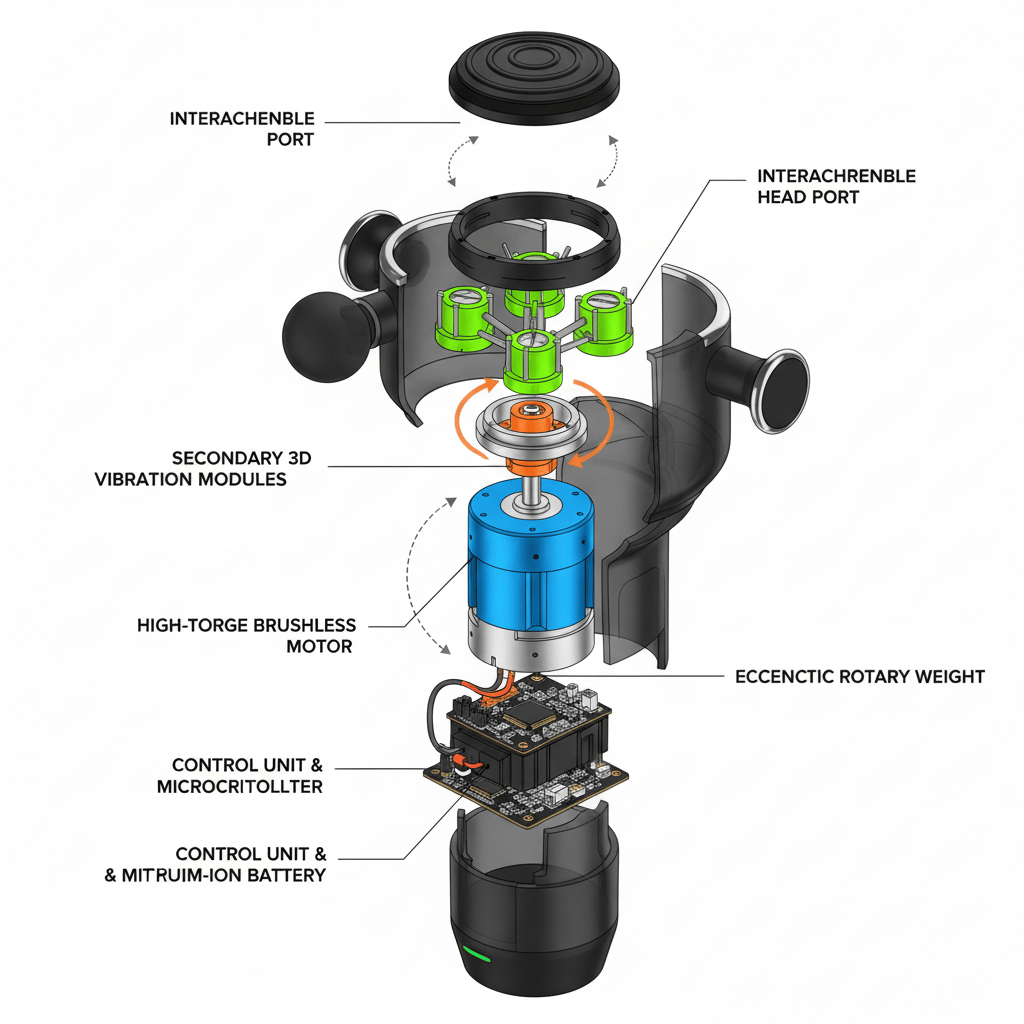
The most advanced systems now incorporate real-time performance monitoring4, alerting staff to any deviation beyond pre-set tolerances. This proactive maintenance approach reduces equipment downtime during critical tournament periods.
Procurement Criteria for 2026: Evaluating Recovery Tools for Scalability, Athlete Compliance, and Operational Efficiency?
Football’s evolving recovery paradigms require multi-dimensional evaluation frameworks. Single-point solutions no longer suffice.
2026 procurement decisions will weigh three factors equally: clinical efficacy5 (30%), operational scalability3 (40%), and athlete adoption rates (30%). This balanced approach ensures both performance impact and practical implementation.
Critical evaluation metrics:
| Category | Sub-Criteria | Weighting |
|---|---|---|
| Clinical Efficacy | Muscle recovery rate | 12% |
| DOMS reduction | 10% | |
| Range of motion improvement | 8% | |
| Operational Scalability | Treatment throughput | 15% |
| Maintenance requirements | 12% | |
| Staff training complexity | 13% | |
| Athlete Compliance | Comfort rating | 10% |
| Treatment completion rate | 12% | |
| Self-administration capability | 8% |
Forward-thinking clubs are establishing performance baselines during the 2024-25 season to inform 2026 procurement. This includes controlled studies comparing high-frequency 3D vibration therapy against traditional modalities for specific recovery scenarios.
Conclusion
Elite football’s vibration therapy standards now emphasize reliability over raw power, scalability over standalone performance, and measurable outcomes over theoretical benefits. The 2026 generation of systems must bridge sports science and practical squad management.
-
Explore this link to discover top-rated vibration therapy systems that enhance recovery for elite athletes. ↩
-
Learn strategies to boost athlete compliance rates, ensuring effective recovery and performance. ↩
-
Understanding operational scalability can help clubs choose recovery tools that grow with their needs. ↩ ↩
-
Learn how real-time monitoring can optimize recovery sessions and reduce downtime. ↩
-
Delve into the metrics of clinical efficacy to ensure the best recovery outcomes for athletes. ↩