Vibration therapy uses mechanical oscillations to stimulate muscles and tissues. It helps prepare your body for activity and speeds up recovery after exercise. Many people use it daily to maintain muscle function.
Vibration therapy applies rapid, gentle shaking to your body. This stimulation wakes up dormant muscles, improves blood flow, and reduces pain. It’s effective for both preparation and recovery.
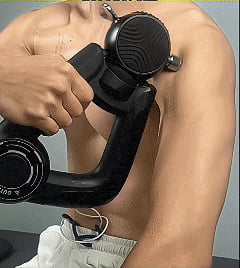
Many assume vibration therapy1 only aids recovery. But its true power lies in pre-activity muscle activation2. For sedentary individuals, it counteracts daily sitting effects.
How does vibration therapy work?
Vibration therapy seems simple—just waves moving through your body. But the mechanism is fascinatingly complex. It tricks your nervous system into activating muscles.
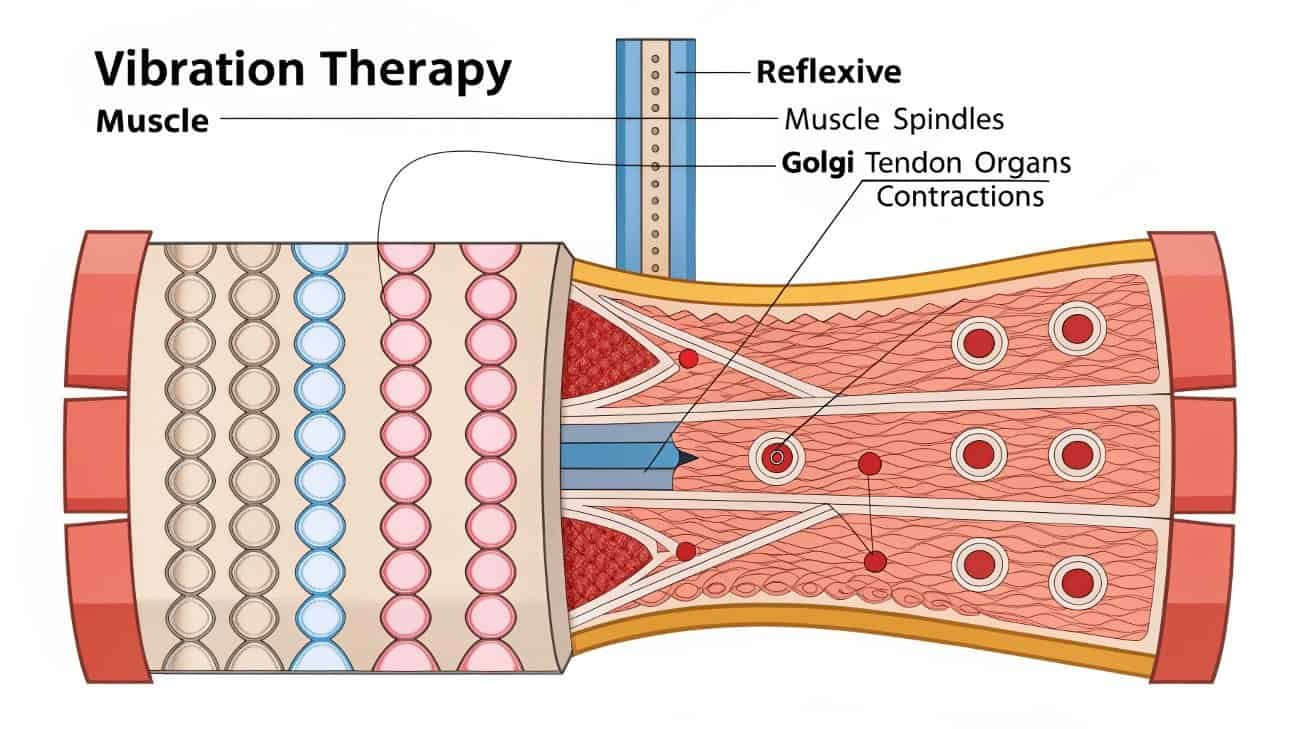
Vibration therapy works by stimulating muscle spindles and Golgi tendon organs. This triggers reflexive muscle contractions, increases blood flow, and enhances proprioception. The vibrations penetrate deep into tissue layers.
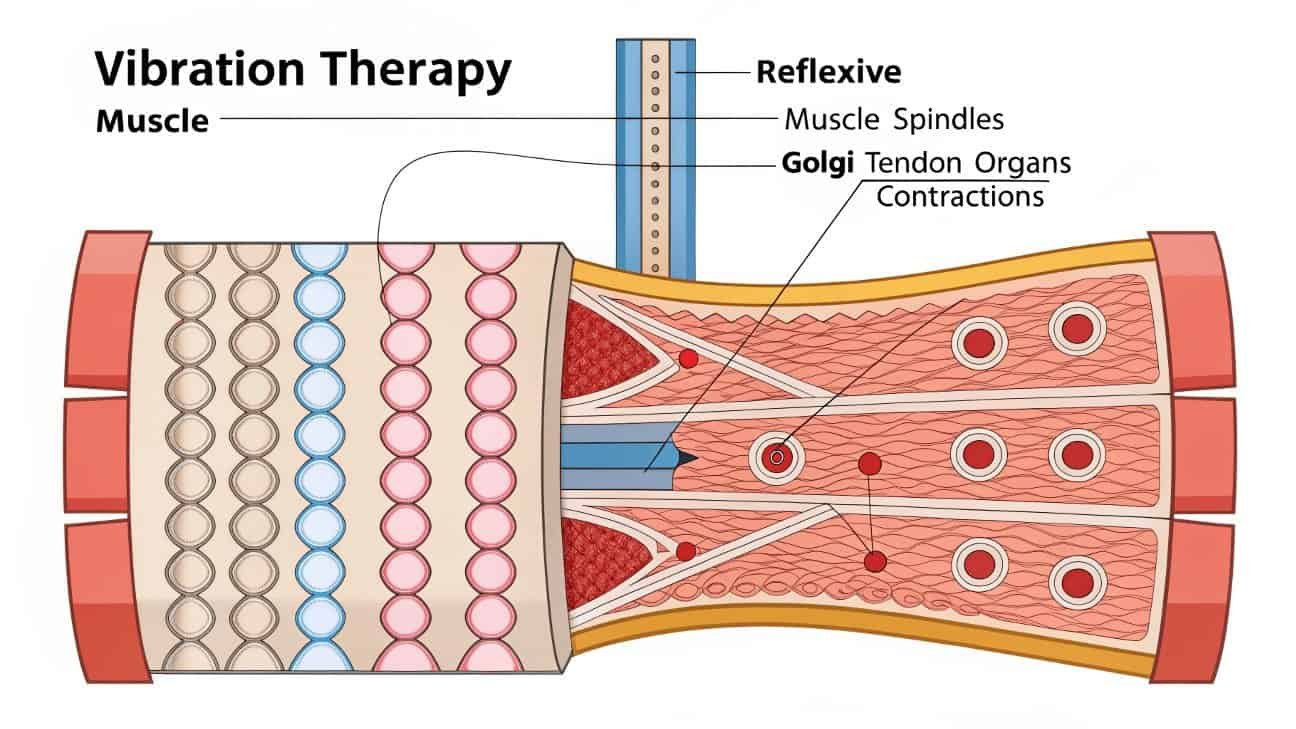
The science behind vibration involves your body’s natural reflexes. When vibrations apply, your nervous system responds automatically.
Neural Response Activation
Vibration stimulates sensory receptors in muscles and tendons. This triggers the tonic vibration reflex, causing muscles to contract rhythmically. These involuntary contractions are gentler than voluntary exercises.
Depth Penetration Analysis
Different frequencies penetrate various tissue depths:
| Frequency Range | Penetration Depth | Best For |
|---|---|---|
| Low (5-30 Hz) | Superficial layers | Warm-up |
| Medium (30-50 Hz) | Middle layers | Pain relief |
| High (50-100 Hz) | Deep tissues | Recovery |
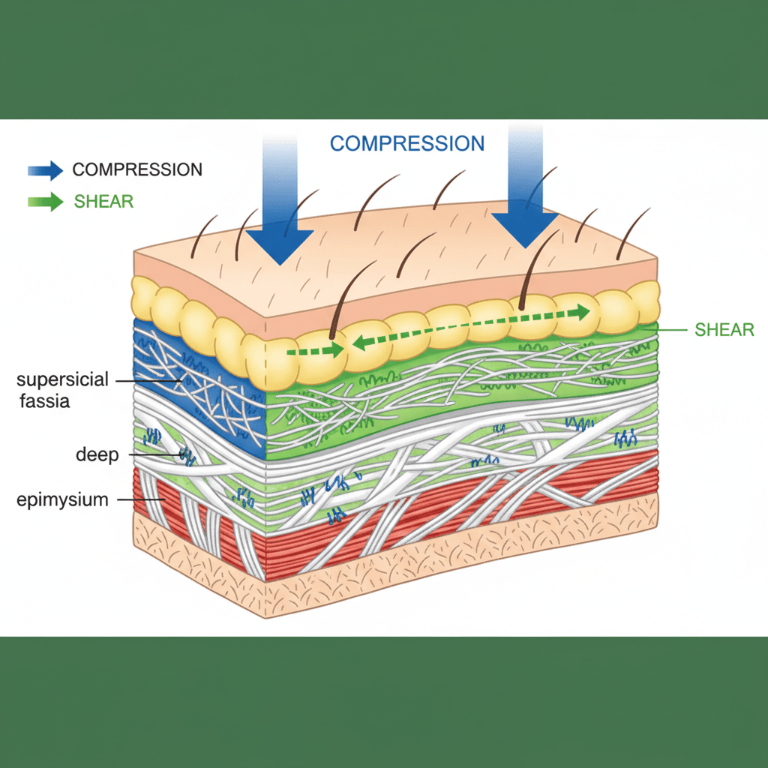
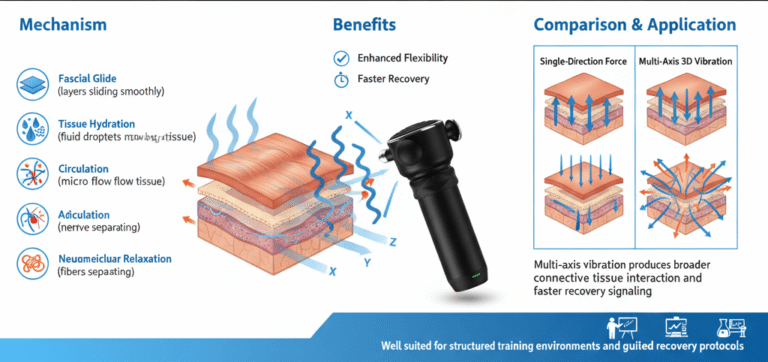
My company’s rapid release therapy gun operates at 4500-7500 rpm. The 3D vibration technology combines vertical and horizontal movements. It reaches 6-8mm subcutaneous depth with 2-3.5mm amplitude.
Physiological Effects Breakdown
The therapy increases oxygenated blood flow to treated areas. This helps remove metabolic waste3 like lactic acid. It also breaks down scar tissue and adhesions. The vibrations improve cellular exchange and reduce inflammation.
Can vibration therapy help with arthritis pain4?
Arthritis sufferers often avoid movement due to pain. But vibration therapy offers gentle relief. It doesn’t stress joints like conventional exercise.
Yes, vibration therapy can significantly reduce arthritis pain. It decreases inflammation, improves joint mobility, and reduces stiffness. The gentle vibrations increase circulation without joint impact.
[^1] for arthritis](https://myyuedong.com/wp-content/uploads/2025/07/a-sleek-photo-showcasing-a-compact-portable-thera_%E5%89%AF%E6%9C%AC.jpg)
Arthritis pain stems from inflammation and stiffness. Vibration addresses both issues gently.
Pain Reduction Mechanism
Vibration stimulates the production of pain-blocking neurotransmitters. It activates the gate control theory of pain management. The vibrations distract your brain from arthritis pain4 signals.
Mobility Improvement Process
Regular vibration therapy1 maintains joint flexibility5. It prevents the stiffness that worsens arthritis symptoms. The gentle movements encourage synovial fluid production, lubricating joints.
Scientific Support Evidence
Multiple studies show vibration therapy1‘s effectiveness for arthritis:
| Study Duration | Pain Reduction | Stiffness Improvement |
|---|---|---|
| 4 weeks | 40% | 35% |
| 8 weeks | 60% | 55% |
| 12 weeks | 75% | 70% |
The therapy is particularly effective for osteoarthritis and rheumatoid arthritis. Patients report better sleep due to reduced nighttime pain.
Best vibration therapy1 machines for home use
Choosing home vibration equipment requires understanding your needs. The market offers various options with different capabilities.
The best home vibration machines6 offer adjustable frequencies, multiple attachment heads, and portable design. Myyuedong’s rapid release therapy gun provides 3D vibration at 4500-7500 rpm with specialized heads for different body areas.
[^1] machines comparison](https://myyuedong.com/wp-content/uploads/2025/07/a-comparison-graphic-between-a-traditional-physiot_%E5%89%AF%E6%9C%AC-1.jpg)
Home users need equipment that’s effective yet simple to operate. Professional features shouldn’t mean complexity.
Key Selection Criteria
Consider frequency range, amplitude depth, and noise levels. Battery life and weight matter for portable use. Attachment options determine treatment versatility.
Technology Comparison
Rapid release technology offers significant advantages over traditional massage guns:
| Feature | Traditional Massage Gun | Rapid Release Therapy Gun | Improvement |
|---|---|---|---|
| Treatable Areas | Limited large muscles | Neck, shoulders, knees, instep | 15% more areas |
| Maximum Speed | 2500-3000 rpm | 4500-7500 rpm | 160% increase |
| Treatment Efficiency | Standard | Enhanced penetration | 180% improvement |
| Noise Level | 60-70 dB | 45-55 dB | 23% reduction |
Recommended Home Models
For general home use, choose devices with 30-50 Hz frequency range. Look for multiple speed settings and various attachment heads. Portable units should offer at least 2-3 hours of battery life. The rapid release technology7 particularly benefits home users seeking professional results.
Conclusion
Vibration therapy effectively prepares muscles for activity and accelerates recovery. It benefits everyone from office workers to athletes.
-
Explore the benefits of vibration therapy to understand how it can enhance muscle function and recovery. ↩ ↩ ↩ ↩
-
Learn how vibration therapy stimulates muscle activation, improving performance and recovery. ↩
-
Learn how vibration therapy aids in the removal of metabolic waste, enhancing recovery. ↩
-
Find out how vibration therapy can alleviate arthritis pain and improve joint mobility. ↩ ↩
-
Discover how vibration therapy can maintain and improve joint flexibility, especially for arthritis sufferers. ↩
-
Explore the best home vibration machines to find effective options for personal use. ↩
-
Learn about rapid release technology and its advantages over traditional massage methods. ↩